Photographing Budapest
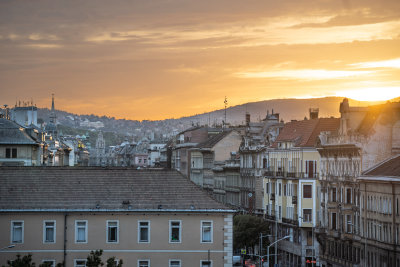
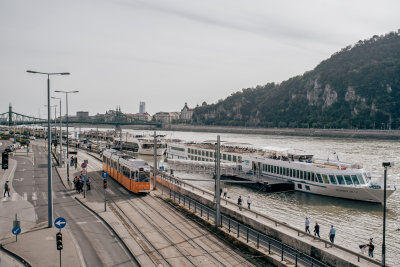
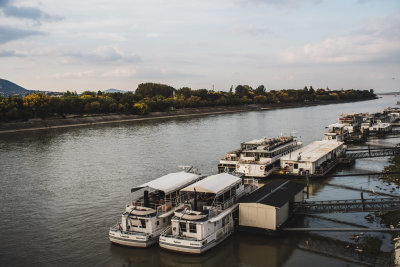
Budapest pairs a floodlit Gothic Revival Parliament and a hilltop castle district with a centuries-old thermal bathing culture, split by the Danube into castle-crowned Buda and flat, grid-planned Pest.
Where to shoot
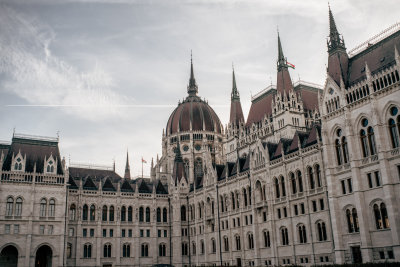
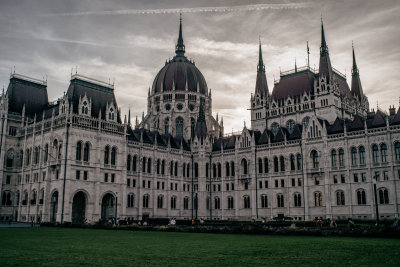
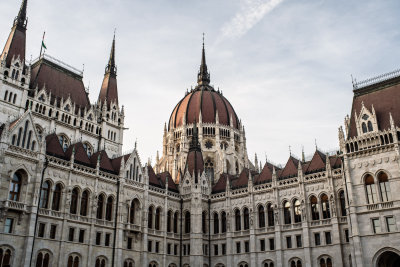
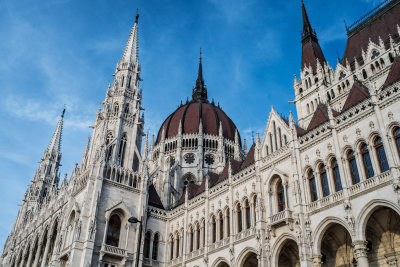
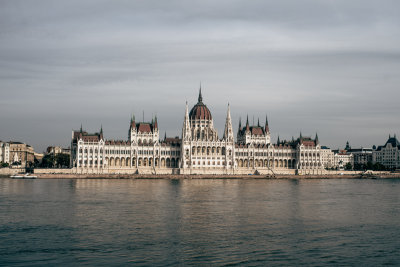
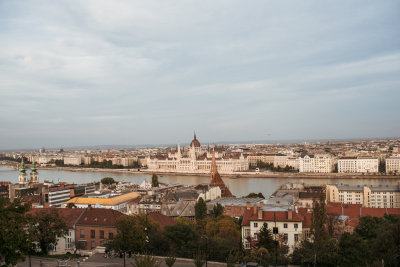
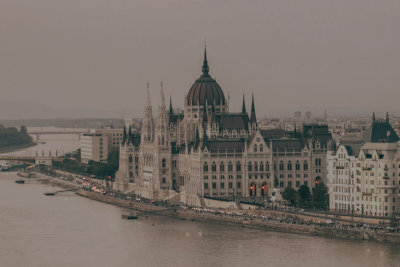
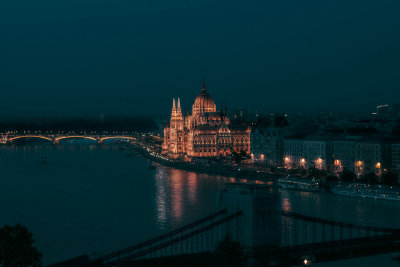
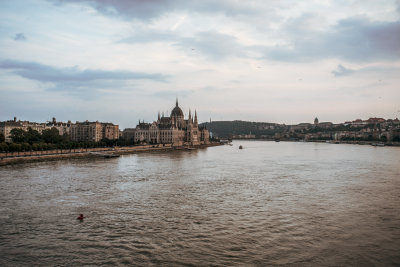
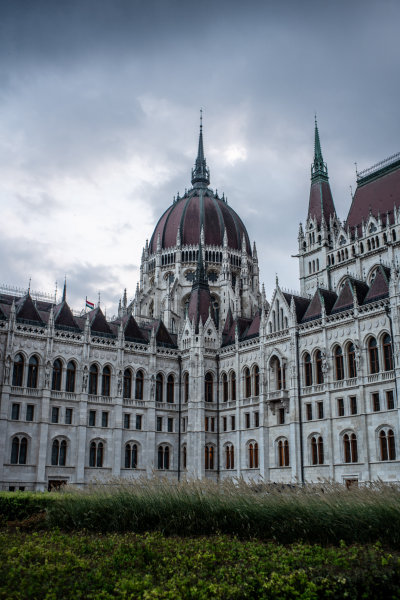
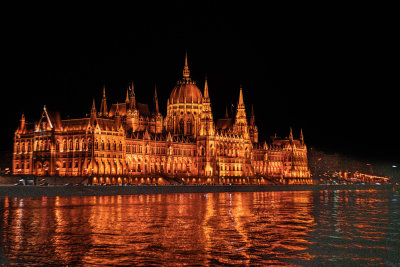
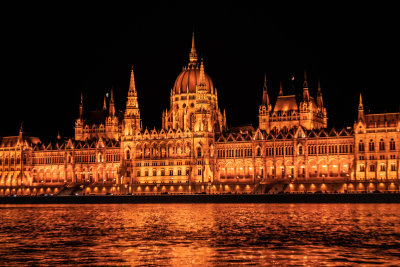
- Hungarian Parliament Building — a Gothic Revival landmark on the Danube's Pest bank, most striking floodlit gold after dark and reflected in the river.
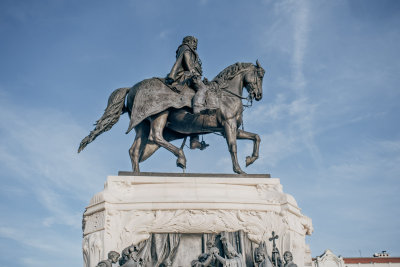
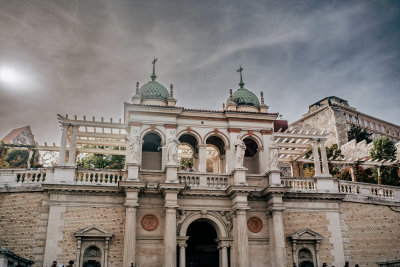
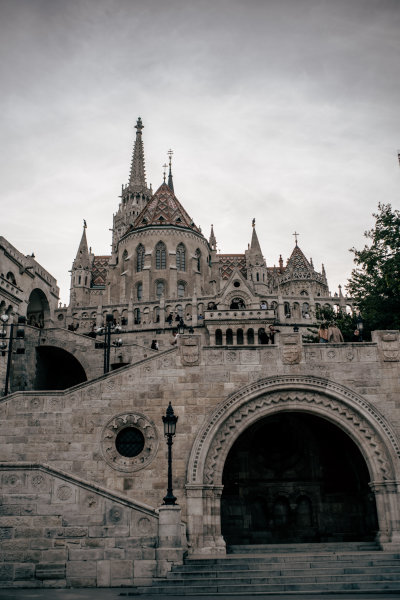
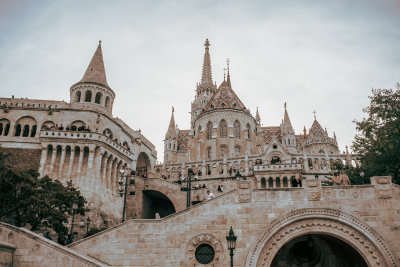
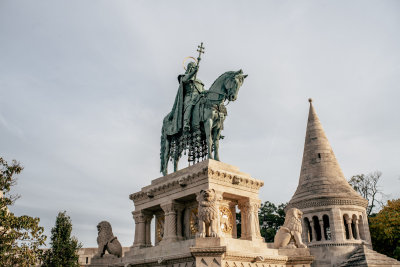
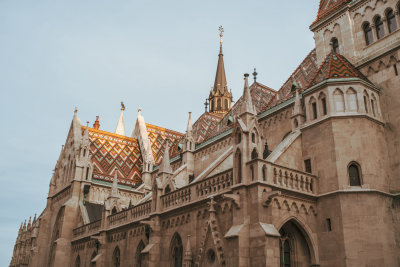
- Fisherman's Bastion & Matthias Church — a fairy-tale terrace and diamond-tiled Gothic church crowning Buda's Castle Hill, built for the view rather than defense.
- Thermal baths — Szechenyi and Gellert are Budapest's grandest bathhouses, both fed by natural hot springs that have drawn bathers since Ottoman rule.
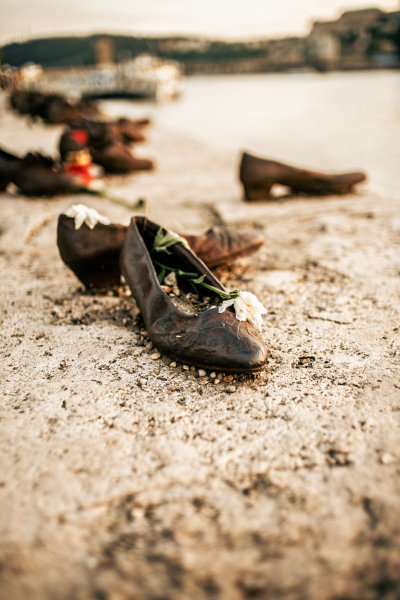
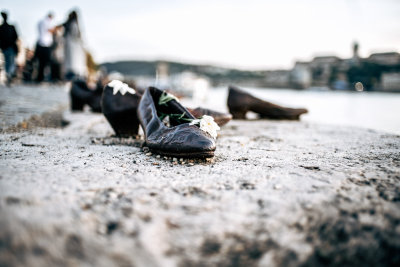
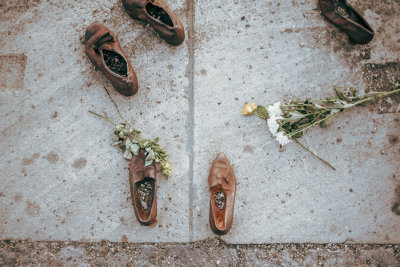
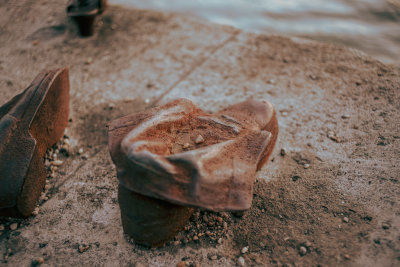
- Shoes on the Danube Bank — a quiet, somber memorial of cast-iron shoes along the Pest riverbank, commemorating victims of a 1944-45 wartime massacre.
- Fisherman's Bastion — neo-Romanesque lookout terraces facing the Parliament across the Danube.
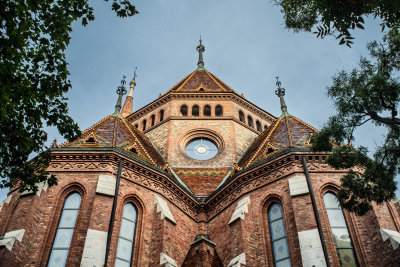
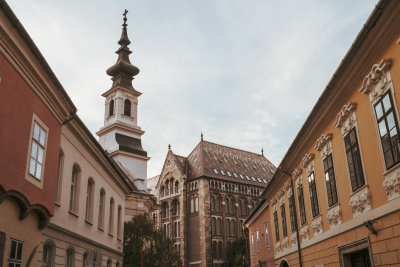
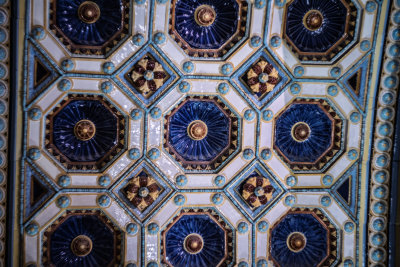
- Matthias Church — a Gothic church roofed in diamond-patterned Zsolnay ceramic tiles.
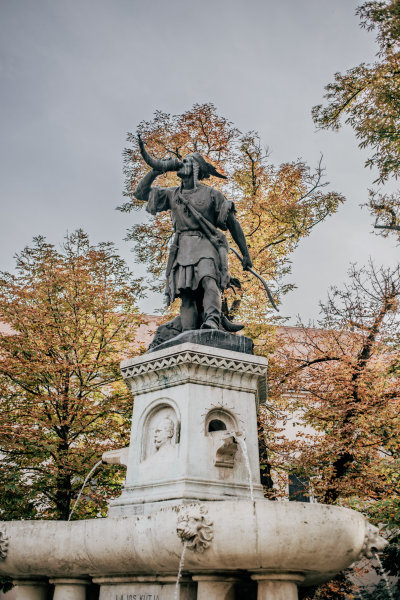
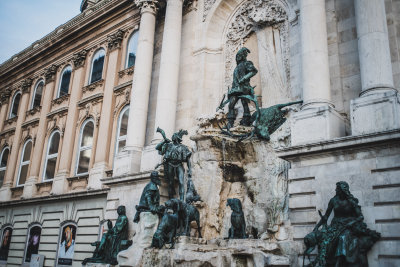
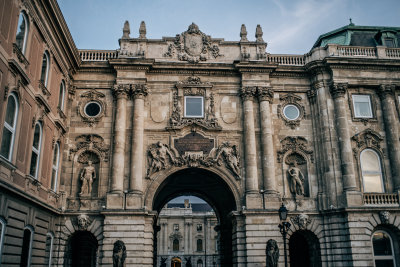
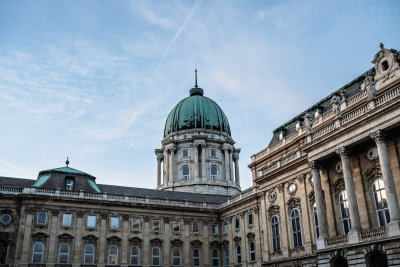
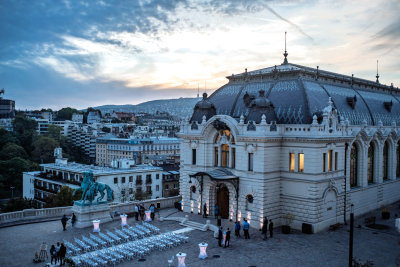
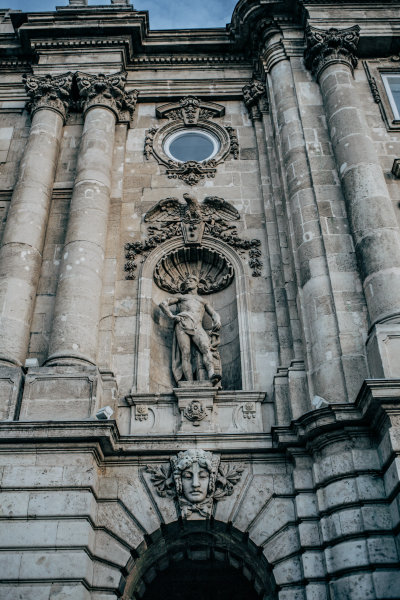
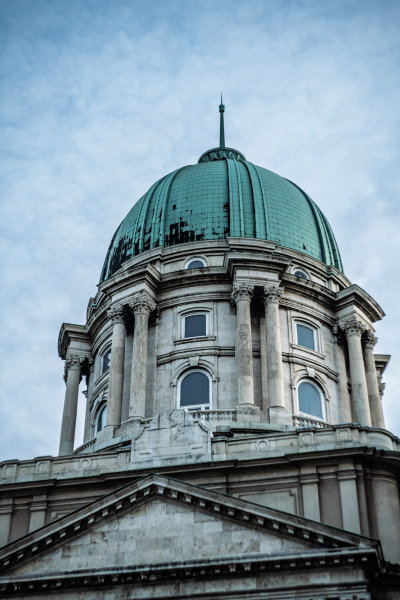
- Buda Castle & the Matthias Fountain — the royal palace courtyards and their bronze hunting-scene fountain.
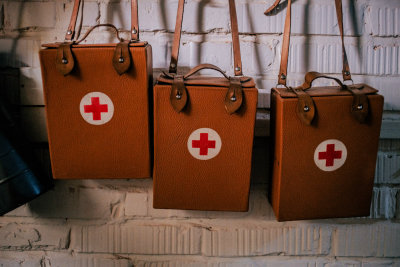
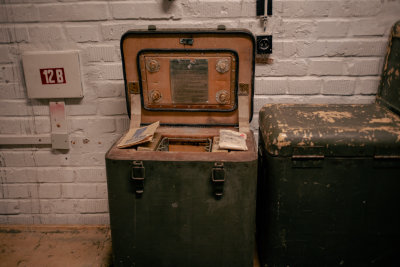
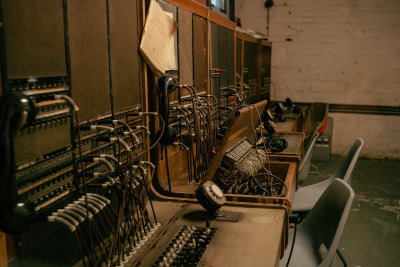
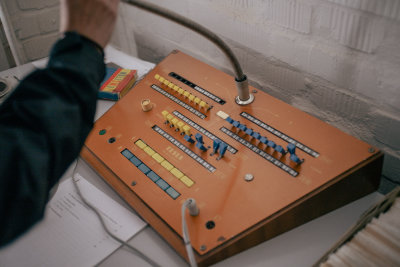
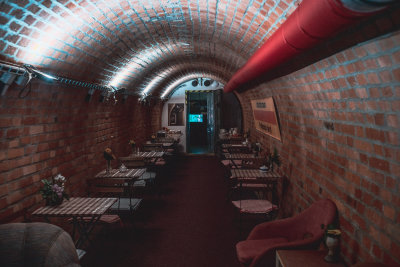
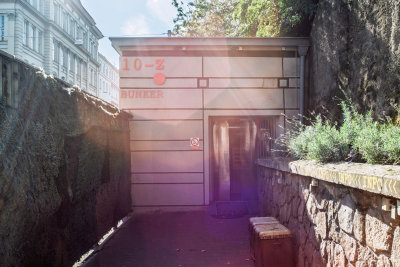
- Hospital in the Rock — a WWII hospital and Cold War bunker tunneled into the hill.
- Hungarian Parliament — the Holy Crown and the domed hall on a guided tour.
- Shoes on the Danube Bank — a quiet memorial to the victims of 1944–45.
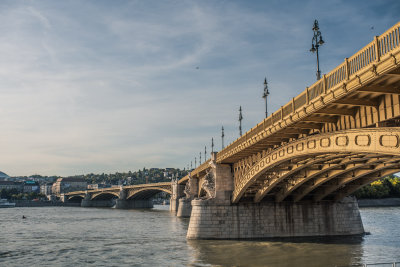
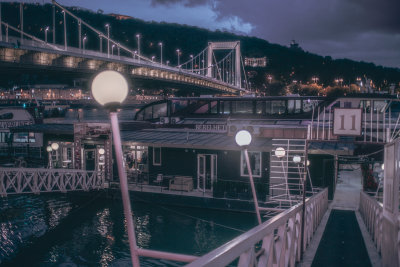
- Széchenyi Chain Bridge — car-free since its 2023 restoration and best crossed on foot.
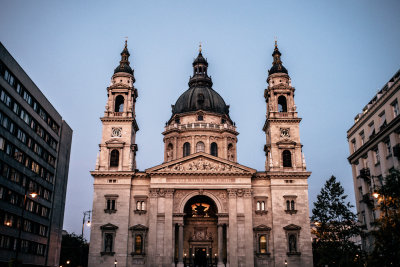
- St. Stephen's Basilica dome — the panorama terrace about 65 meters above Pest.
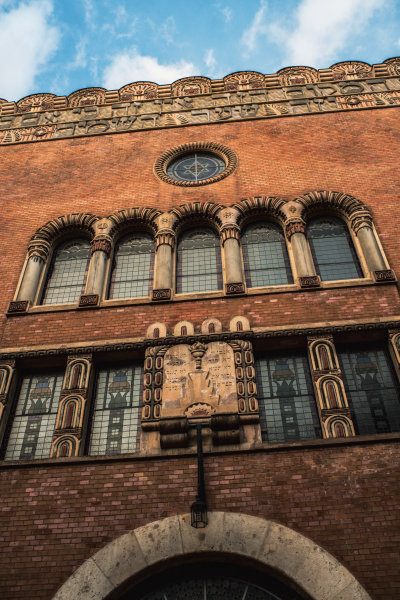
- Dohány Street Synagogue — Europe's largest synagogue and its memorial garden.
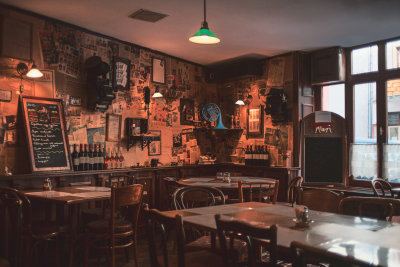
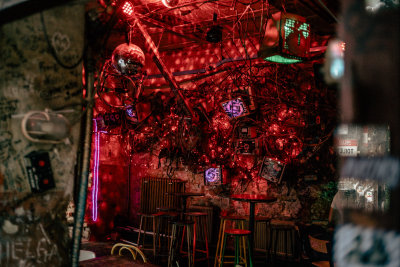
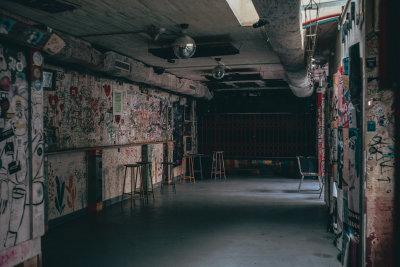
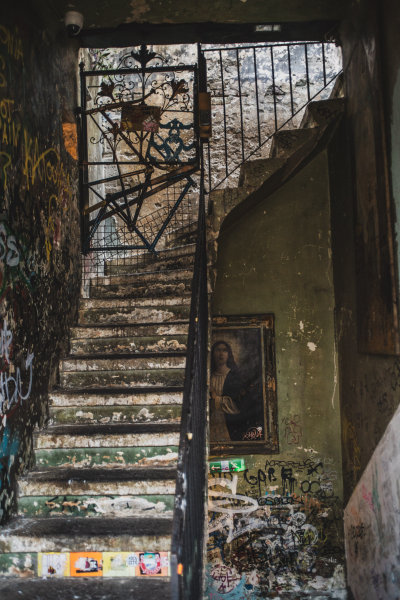
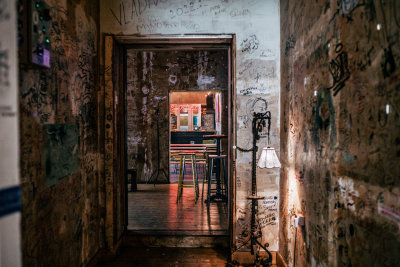
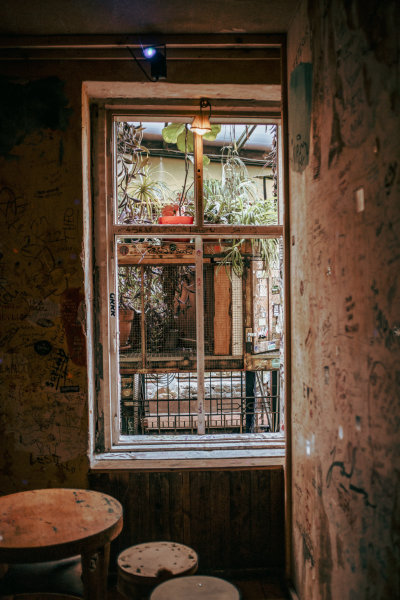
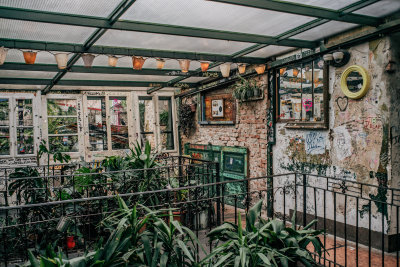
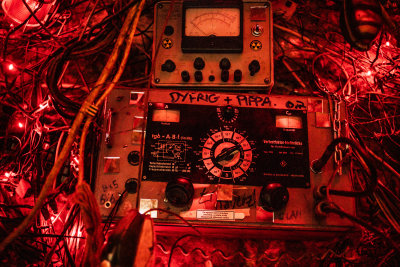
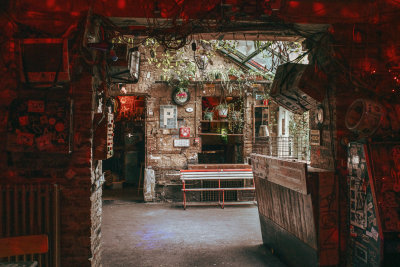
- Szimpla Kert — the original ruin bar, all junk-shop rooms and courtyards.
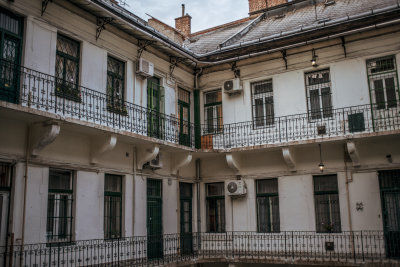
- Gozsdu Udvar — a string of courtyards lined with bars and restaurants.
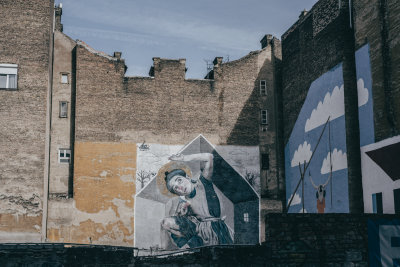
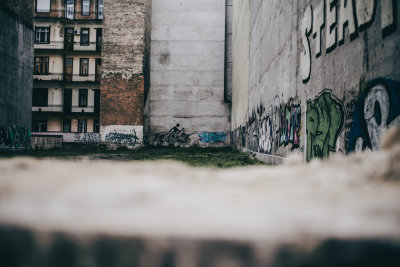
- Kazinczy utca street art — murals painted on the district's bare firewalls.
- Széchenyi Thermal Bath — outdoor pools steaming in all weather, chess players included.
- Heroes' Square — the Millennium Monument and the Magyar chieftains.
- M1 Millennium Underground — continental Europe's oldest metro, with original tiled stations.
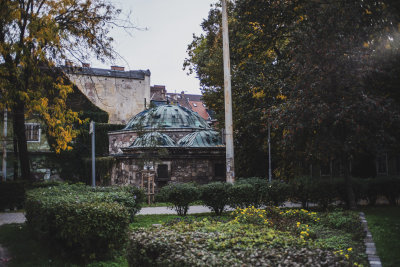
- Rudas Baths — a 16th-century Ottoman dome and a rooftop pool over the Danube.
When to go
Late spring (May) or early autumn (September-October) for mild weather on foot around the Castle District; the thermal baths are a genuine year-round draw, arguably best in winter when steam rises off the outdoor pools into cold air.
What to eat
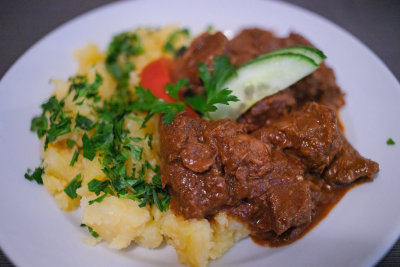
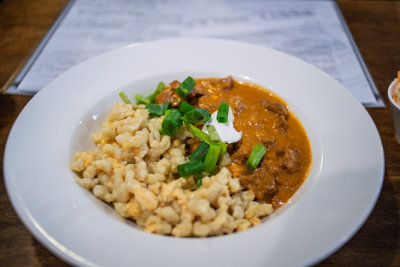
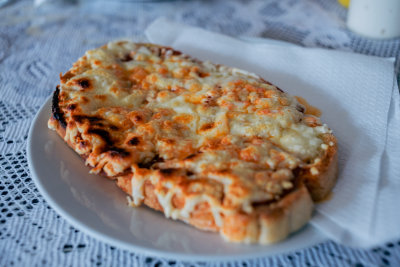
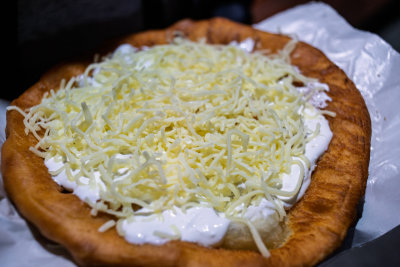
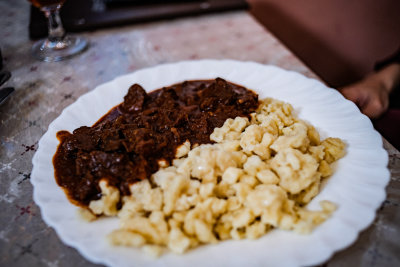
Goulash (a paprika-forward beef soup, not the thick stew it's often translated as abroad), chimney cake (kurtoskalacs) from a street vendor, and the Jewish Quarter's ruin bars, converted derelict buildings turned into bars and beer gardens.
Where to stay
Base yourself in Pest near the Danube or the Jewish Quarter for walkable access to the Parliament, ruin bars, and nightlife, and take the metro or a short walk across the river for the Castle District's sights.
Visit Fisherman's Bastion at sunrise or right before closing — it's one of Budapest's most crowded viewpoints by midday, and the terraces themselves are free outside a small fee for the uppermost tower.
Read more in Budapest Travel Guide: Thermal Baths, Parliament & the Danube and 3 Days in Budapest: Castle Hill, Thermal Baths & Ruin Bars Itinerary.