Photographing Busan
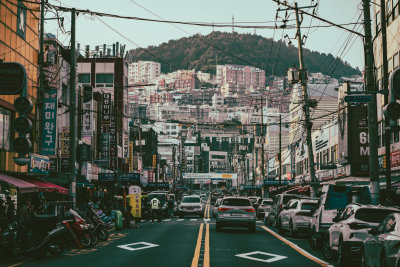
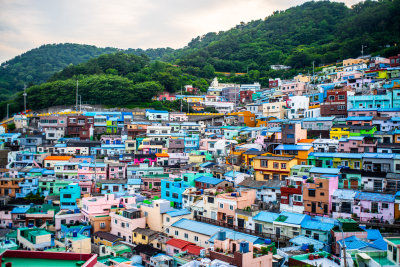
Busan is South Korea's second city and largest port, a coastal metropolis spread between mountains and the sea on the country's southeastern tip. It is celebrated for its beaches, its vast seafood market, and a brightly painted hillside village.
Where to shoot
- Gamcheon Culture Village — pastel houses terraced up a hillside above the port, with viewpoints over the rooftops
- Haedong Yonggungsa — a Buddhist temple set on coastal rocks with the sea breaking beneath it
- Gwangalli Beach — a city beach facing the illuminated Gwangan Bridge, lively after dark
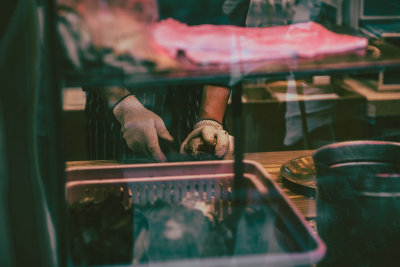
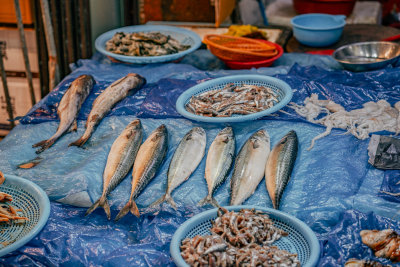
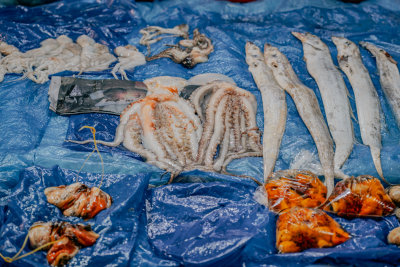
- Jagalchi Market — the country's largest fish market, busiest in the morning with stalls of fresh seafood
- Jagalchi's harbor edge and seafood market
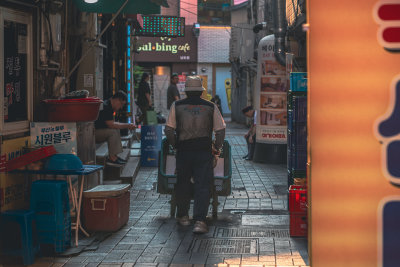
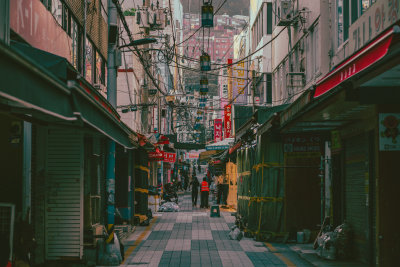
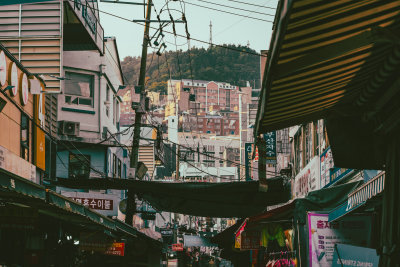
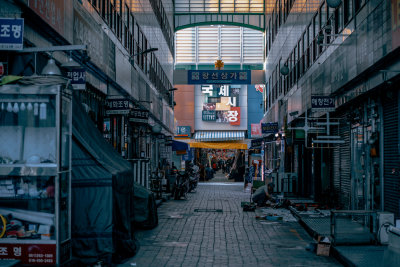
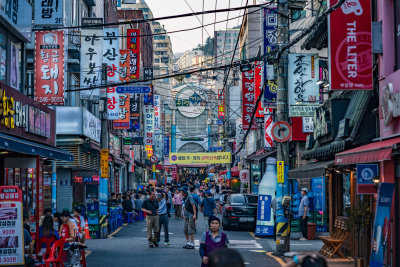
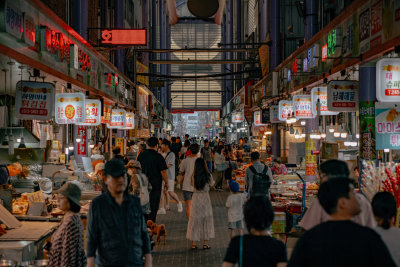
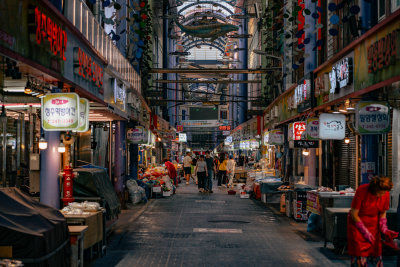
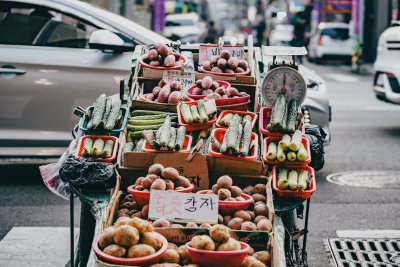
- Gukje and Bupyeong Kkangtong market streets
- Gamcheon's layered hillside view
- Yongdusan Park or Nampo after dark
- Haeundae Beach in the morning
- Dongbaek coastal trail
- Marine City from water level
- Gwangan Bridge after dark
- Huinnyeoul's cliffside lanes
- Working-port views across the channel
- Taejongdae in clear weather
- Bridges and steep residential streets
- Haedong Yonggungsa before the day-tour peak
- Songjeong coast
- Beomeosa for a mountain alternative
- Jeonpo cafes and Seomyeon nightlife in poor weather
When to go
Late spring and early autumn bring mild weather; summer is warm and beach-perfect but crowded, while the city hosts its renowned international film festival in October.
What to eat
Raw fish (hoe) straight from Jagalchi market, dwaeji gukbap (pork soup), and milmyeon, a Busan noodle dish.
Where to stay
Haeundae offers beachfront hotels and dining, while staying near Nampo-dong places the markets and Gamcheon within easy reach.
Gamcheon's layered houses are best explored on foot from the marked viewpoints, wandering the stepped alleys between the painted walls and small craft shops.
Read more in South Korea: Seoul, Busan & the Provinces and 4 Days in Busan: Coast, Markets & Hillside Neighborhoods.