 Gear & packing
By Clever Tourists · Published
Do not pack for every season. Route the trip to follow the good weather, and buy clothing locally when the climate swings. That was the strategy on our 526-day, 20-country trip, and it is the opposite of the usual long-trip packing list: we followed the good weather, and bought augmented wardrobes where needed. A bag built for one or two climates at a time is lighter and cheaper to carry than one built for all of them at once. The route data below shows how the months fell, and the packing rules that follow come from that logic. Our general long trip packing list covers the basics, and this page is about the sequencing.
Our route records where we were and for how long. Arranged by month, it shows the logic of chasing summer and dry seasons:
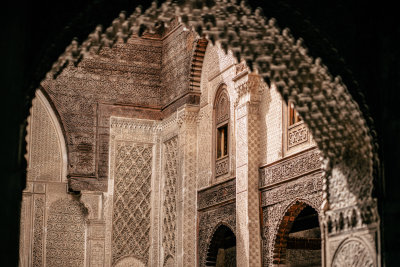
• June to August 2022: Spain (Madrid, the north coast, Andalusia), then Morocco in August and September.
• September to November 2022: Czech Republic, Hungary and Romania, the cool autumn stretch of central and eastern Europe.
• November to December 2022: the Philippines (Manila, Palawan, Cebu).
• December 2022 to January 2023: Thailand, from Bangkok to the north and the Andaman coast.
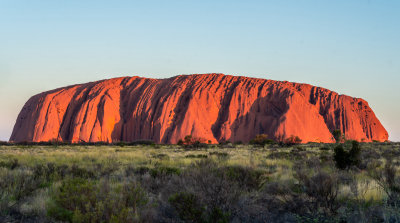
• January to March 2023: Australia, then New Zealand, in the southern summer.
• March to April 2023: Japan, from Tokyo to Hiroshima.
• April to June 2023: Vietnam, then Bali.
• June to July 2023: South Korea.
• July to October 2023: Germany, Italy, Croatia, Montenegro and Albania.
• October to December 2023: Turkey, then England.
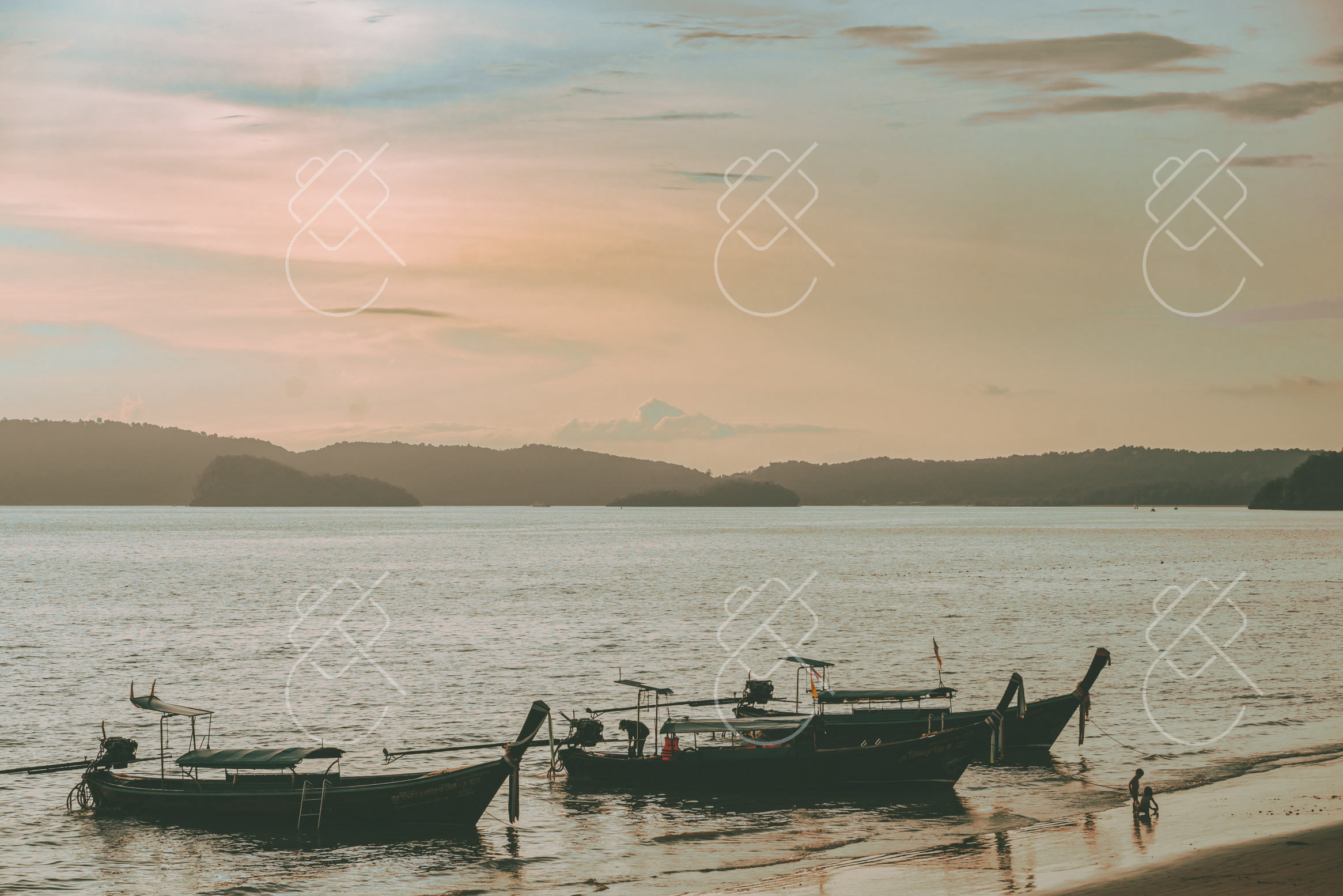
Southeast Asia was timed for the drier months, Australia and New Zealand for the southern summer, and Europe for its warm months. The cold ends were the late autumn in Romania in 2022 and in Turkey and England in late 2023, and for those stretches the packing list had to include a warmer layer. Our best time to visit Thailand and Philippines guides explain why those months suit those countries. We are describing the route and the logic, not recommending that you copy the exact sequence.
The principle is simple: choose each region's good window first, then order the windows geographically so flights stay short. Where the weather window and the flight path clash, take the weather.
When the climate changes more than the bag can handle, buy what you need where you are. A warm layer for a cold snap, a rain shell for a wet stretch, lighter shirts for a hot one. On a trip measured in months, shopping for a jacket is cheaper than carrying one through five warm countries. In practice that means:
• Pack for the first one or two legs, not for the whole trip.
• Buy a warm layer when the weather turns, rather than carrying it for the months you will not need it.
• Sell, donate or post home what you stop wearing, so the bag does not grow.
• Keep a small, versatile base: fabrics that dry fast, colours that mix, and shoes that work for walking and for rain.
We do not list specific items we carried, because the point is the method, not a fixed kit. Our destination packing lists cover what is hard to buy locally.
Buy locally for clothes; carry what you cannot easily replace. That includes medicines and prescriptions (check country rules, such as in our Japan packing list), glasses or contact lenses, chargers and the right plug adapters (see power plugs by country), and electronics. Shoes that fit are also hard to find in some countries.
For health preparation, see our vaccines and health prep guide. For camera kit, see what camera gear to pack.
A single carry-on-sized bag forces the discipline this strategy depends on. Our travel backpack guide covers a bag that suits it. A smaller bag also makes budget flights and short transfers easier, and it makes you less likely to buy things you do not need.
The strategy works when you control your route. If you are tied to school holidays, a wedding or a fixed visa window, you may have to travel in less comfortable weather. Some places have a short good window, such as mountain trekking or monsoon-affected islands, so check each country's page in our best time to visit series before you fix dates. Prices are also seasonal: the best weather often coincides with high season, and shoulder months can be a good compromise.
Choose the first two destinations by their good season, not by price. Pack for those two climates only. Book flights with flexible dates if you can, because weather shifts. Set a date each month to review what you are carrying: sell, donate or mail what you no longer use. Keep a small amount of money aside for a jacket, a pair of shoes or a rain shell, which is cheaper than carrying one for months. Revisit the plan every time you book the next leg.
Pack for the first one or two legs, route the trip to land in each region's good season, and buy clothing locally when the weather changes.
Often, on a long trip, because you avoid carrying items you do not need. Whether it is cheaper depends on the country; we do not give prices.
Things that are hard to replace or country-specific: prescription medicines, glasses, key electronics, adapters and well-fitted shoes.
Small enough to carry yourself on a bad day. A carry-on-sized bag forces you to buy and discard as you go.
Only partly. If your dates are fixed, check each country's best-time guide and plan the order of stops around the weather you can control.
Get our new New Zealand guides and practical tips by email: where to stay, what to eat, what things cost and the rules that catch travelers out.
Free. No spam, only new guides and tips.
Search verified local fleets with low security deposits and exact model delivery on Localrent.
See the best deals on New Zealand hotels right now on Booking.com.