Nikšić is Montenegro's second-largest city: a royal town laid out on paper in 1883, sitting 640 metres up on a karst plain ringed by mountains, with a ruined Roman-to-Ottoman fortress on its western edge and the country's best-known beer brewed in town. Most travellers only pass through on the way to Ostrog Monastery or Durmitor. We spent two nights here at the end of August 2023, between Žabljak and Cetinje, and think it earns a day of its own. This guide covers the things to do in Nikšić, how long to stay, the day trips and the best time to go.
Tap any photo to open it full-screen and order a print.
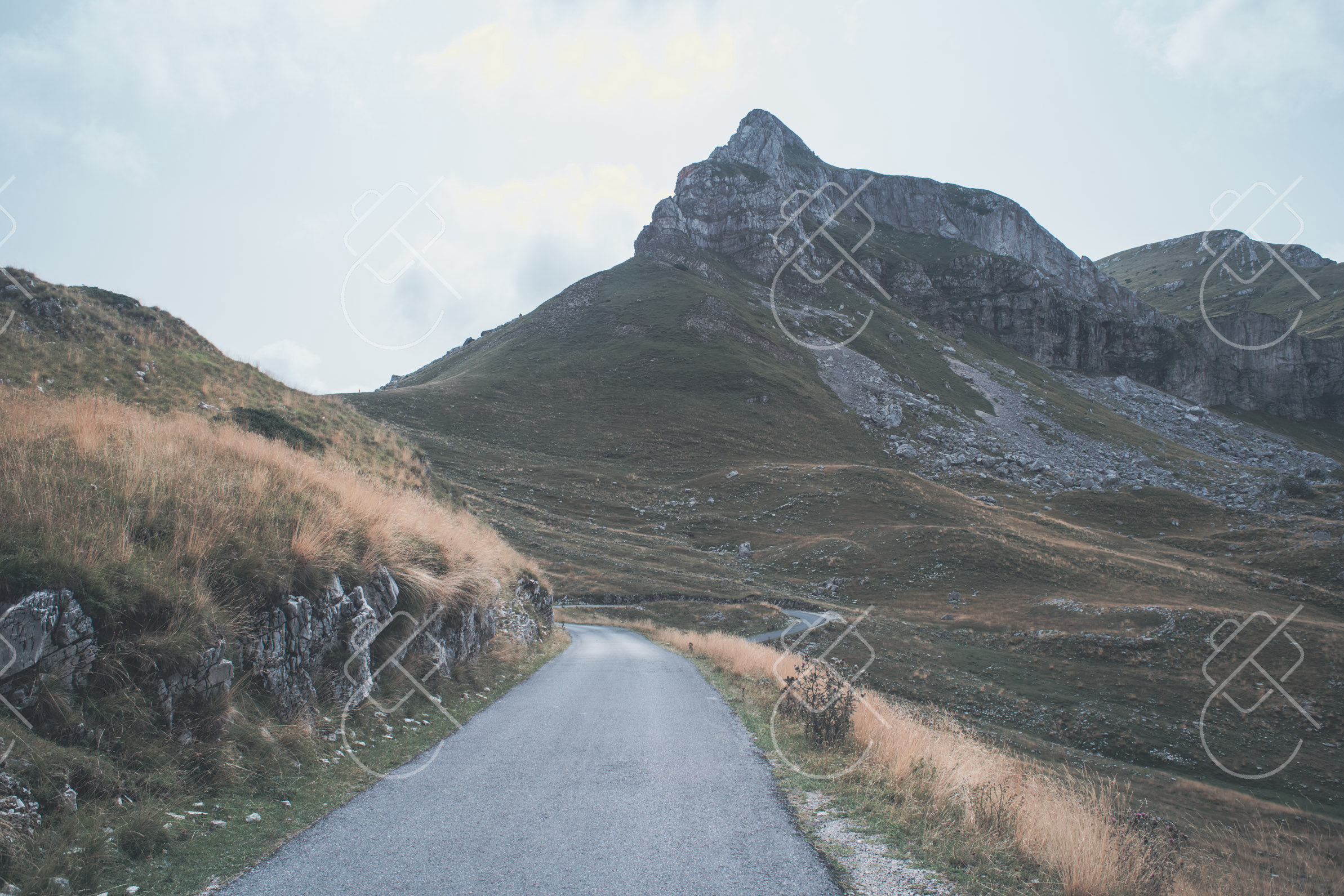
One full day covers the town itself: Bedem Fortress, the central grid around Trg slobode and the cathedral hill are all walkable, with the Trebjesa forest park on the edge of the centre if you want a walk in the pines. Two nights, which is what we did, gives you a second day for Ostrog Monastery in the morning and the Tsar's Bridge or Lake Krupac in the afternoon. Nikšić sits on the main road between Podgorica (the airport is about 60 km away) and the Piva canyon route north to Durmitor, and the road through Grahovo links it to Risan on the Bay of Kotor. There is also a train from Podgorica, with five departures a day each way in the 2025–26 timetable, but Ostrog, the bridge and the lakes are far easier with a car.
Nikšić sits on a high plain with a mountain climate: warm, dry summers and cold winters with some snow. The city itself is open all year; the variable is the mountain roads around it.
The plain turns green while the surrounding peaks hold snow. 12 May is the feast of St. Basil of Ostrog, when tens of thousands of pilgrims converge on Ostrog Monastery; go another day unless you want to see it.
Long, warm days, swimming at Lake Krupac, Bedem Fest in the fortress, and the high P14 road over Sedlo Pass open for the drive north to Durmitor. Evenings stay cooler than on the coast.
September is still warm and the crowds at Ostrog thin out. The Sedlo pass road normally closes with the first heavy snow in late October or November.
January averages under 2°C and the city sees snow on some days. The small Vučje ski area is about 18 km away; mountain roads can need winter tyres or chains.
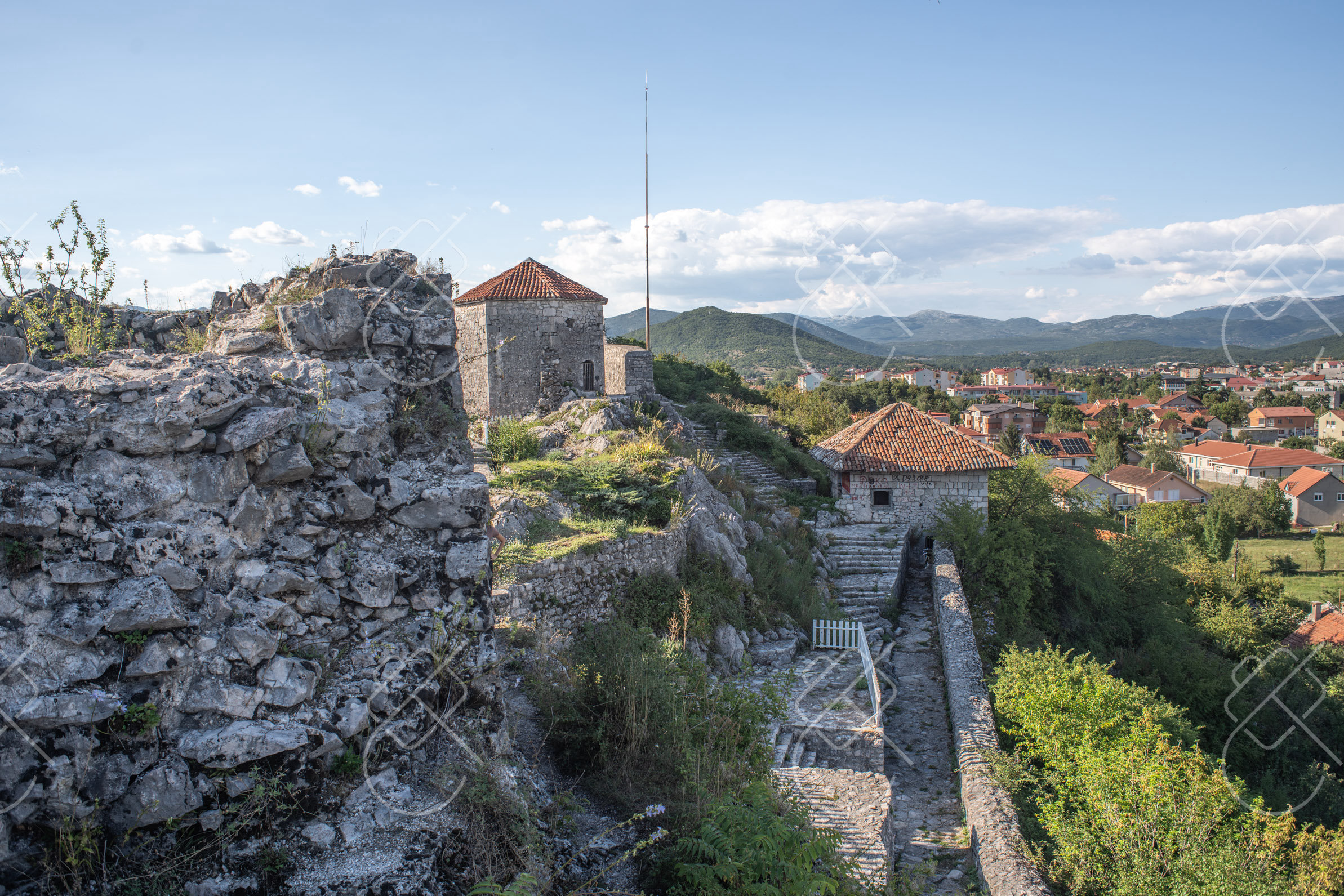
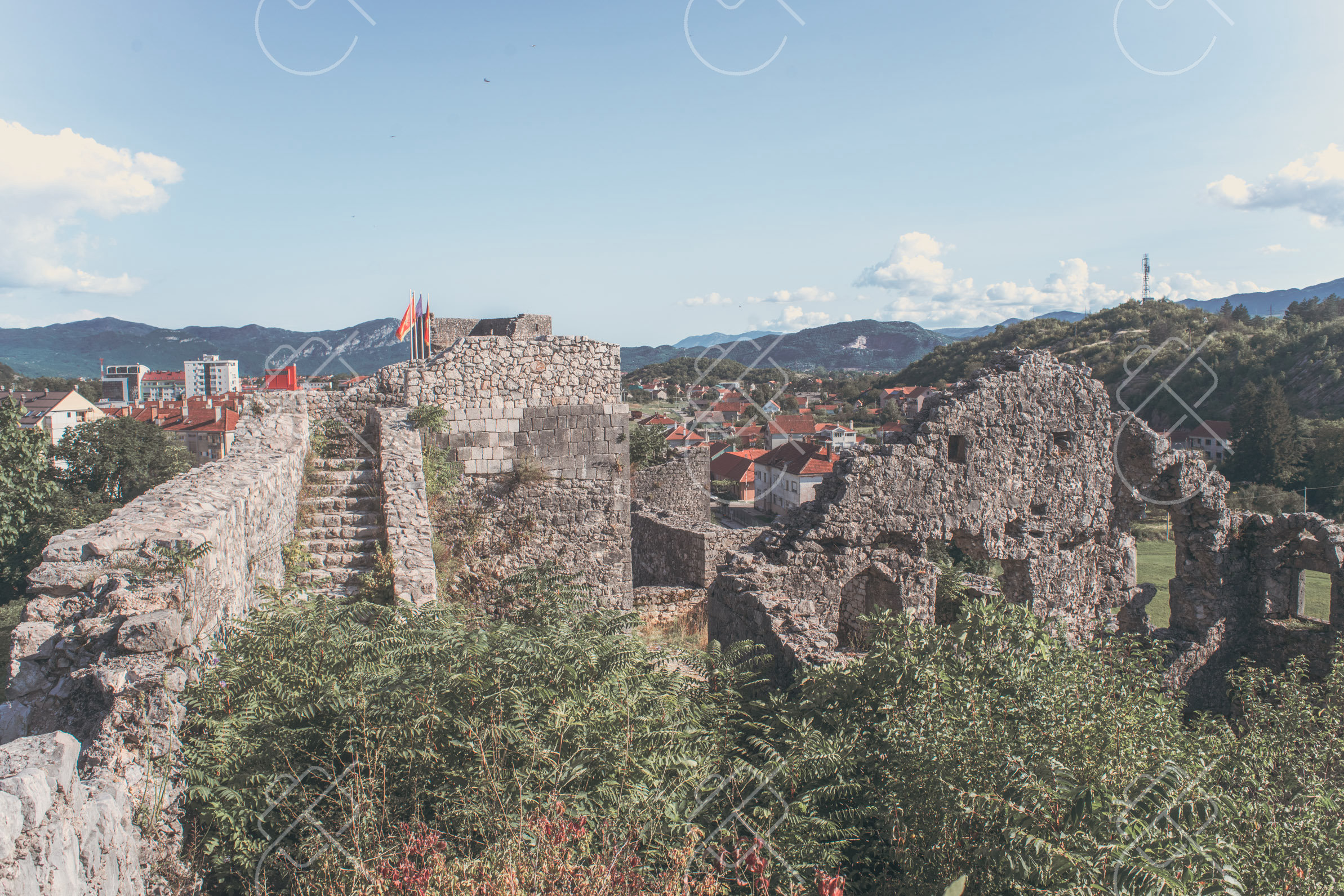
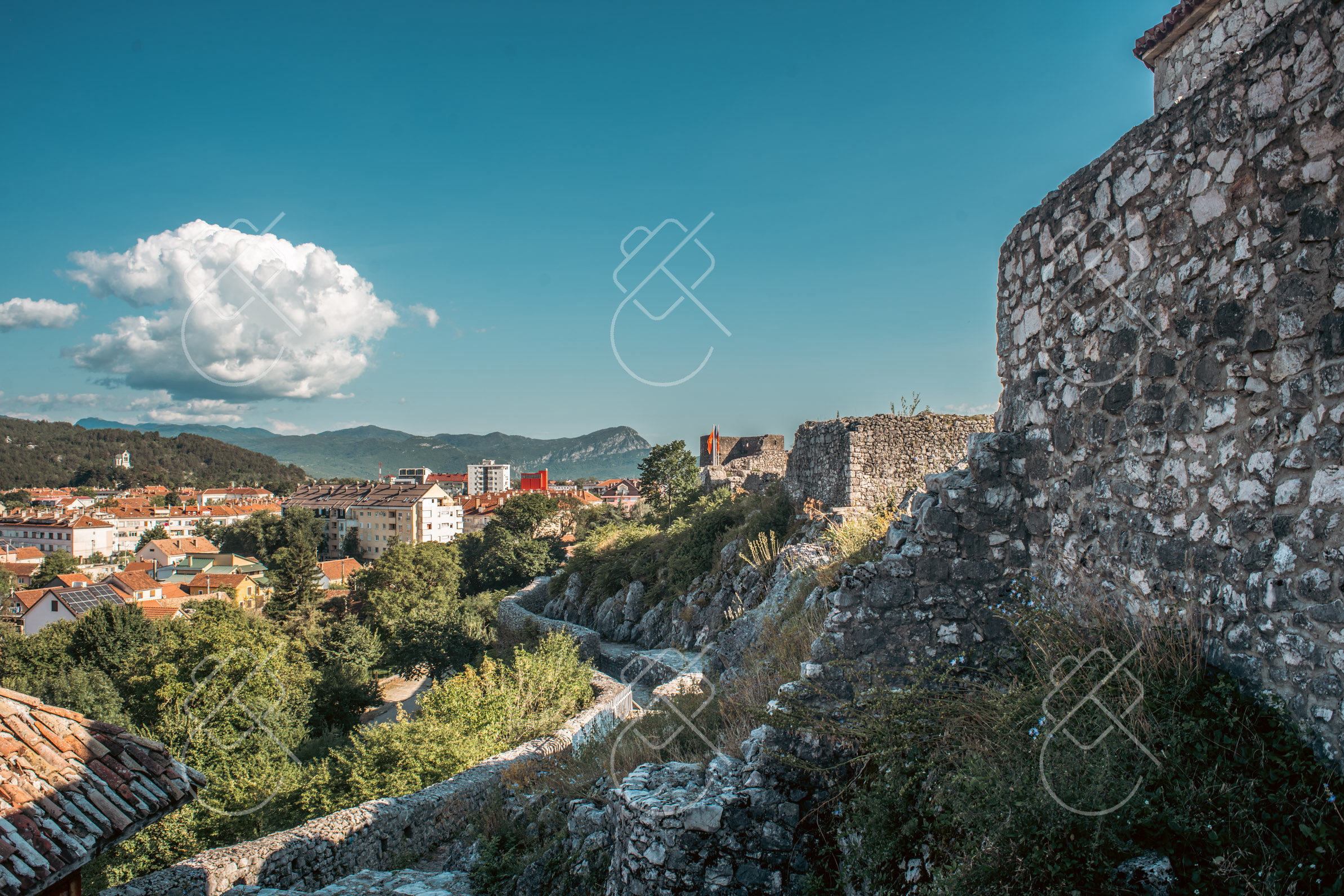
Bedem Fortress — Roman, medieval and Ottoman ramparts on the west side of town, largely unrestored and free to walk, with the best view over the city.
Ostrog Monastery — The cliff-face shrine of St. Basil of Ostrog, Montenegro's biggest pilgrimage site, under an hour's drive away.
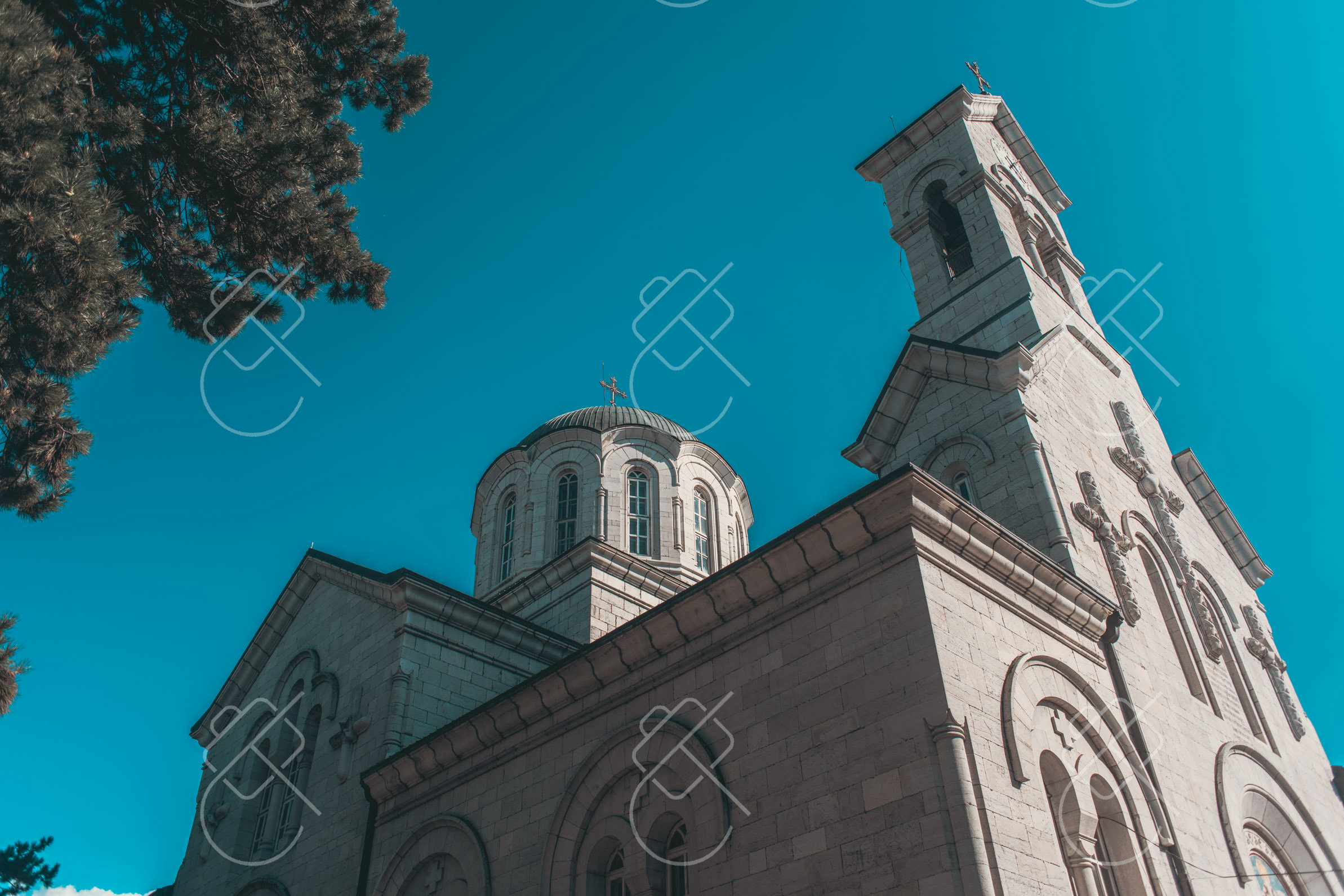
Cathedral of St. Basil of Ostrog — The 1895–1900 memorial cathedral on Petrova glavica hill, with a white, unfrescoed interior under its dome.
Tsar's Bridge (Carev most) — An 1894 stone bridge of 18 arches across the Zeta valley south of town, paid for by Russia's Alexander III.
Trebjesa forest park — A 126-hectare protected pine hill southeast of the centre, with trails and a viewpoint over the plain.
Lake Krupac — The reservoir west of town that serves as Nikšić's summer beach, with cafés and swimming.
Trg slobode and Slade's street grid — The main square and the straight avenues of the 1883 plan, the centre of the city's café life.
King Nikola's palace — Home of the Nikšić Heritage Museum; its collection has been under conservation work, so check it is open.
Lake Slano — A larger reservoir next to Krupac, scattered with small islands, best seen from the road on the way past.
Montenegro's second city: a planned royal town of straight avenues on a high karst plain, with the Bedem fortress ruins, a memorial cathedral on a pine hill, reservoirs on the edge of town and Ostrog Monastery less than an hour away.
Nikšić has had three names. The Romans built a camp on the low rise at the west of the plain in the 4th century, the Ostrogoths held it as Anagastum, and the Slavs who followed called the town Onogošt; it became Nikšić in the 15th century, around the time the Ottomans took it in 1465. Montenegro captured the town on 27 August 1877 after a 47-day siege, and Prince Nikola had the Croatian architect Josip Slade draw a new one: his 1883 plan of straight streets fanning out from a central square is still the shape of the centre. So Nikšić is not an old town of alleys like Kotor but a grid of avenues around Trg slobode, with café terraces, King Nikola's palace and, on Petrova glavica hill, the Cathedral of St. Basil of Ostrog, built between 1895 and 1900 as a memorial to the Montenegrins and Herzegovinians killed in the wars against the Ottomans. Around the edges the 20th century shows: socialist-era apartment slabs, a shuttered kiosk covered in graffiti, old stone houses sinking into overgrown gardens. It is a working city of about 65,000 people in the 2023 census, not a stage set, and that is the appeal.
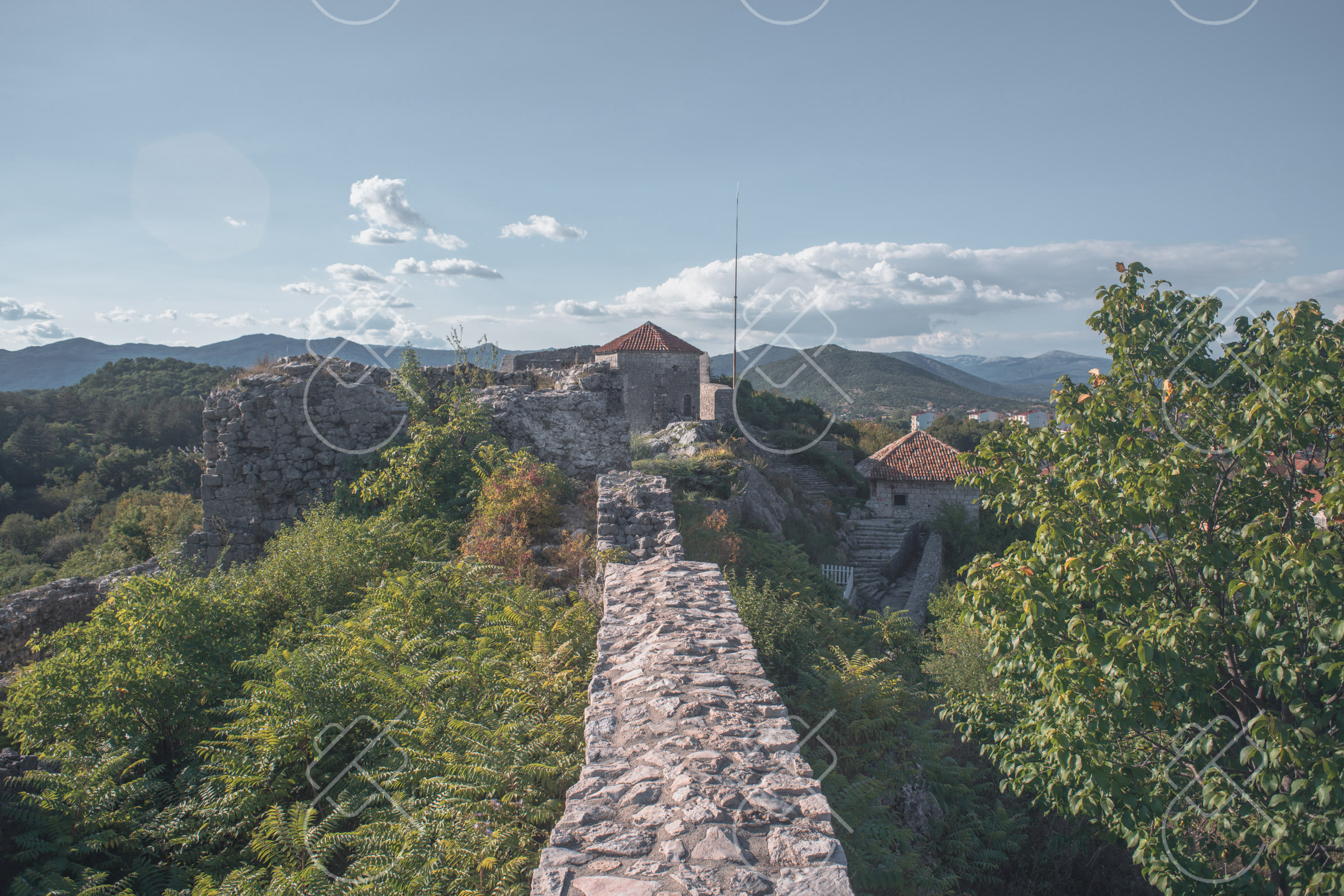
The narrow wall walk along Bedem Fortress, with the rebuilt tower and the mountains around Nikšić behind
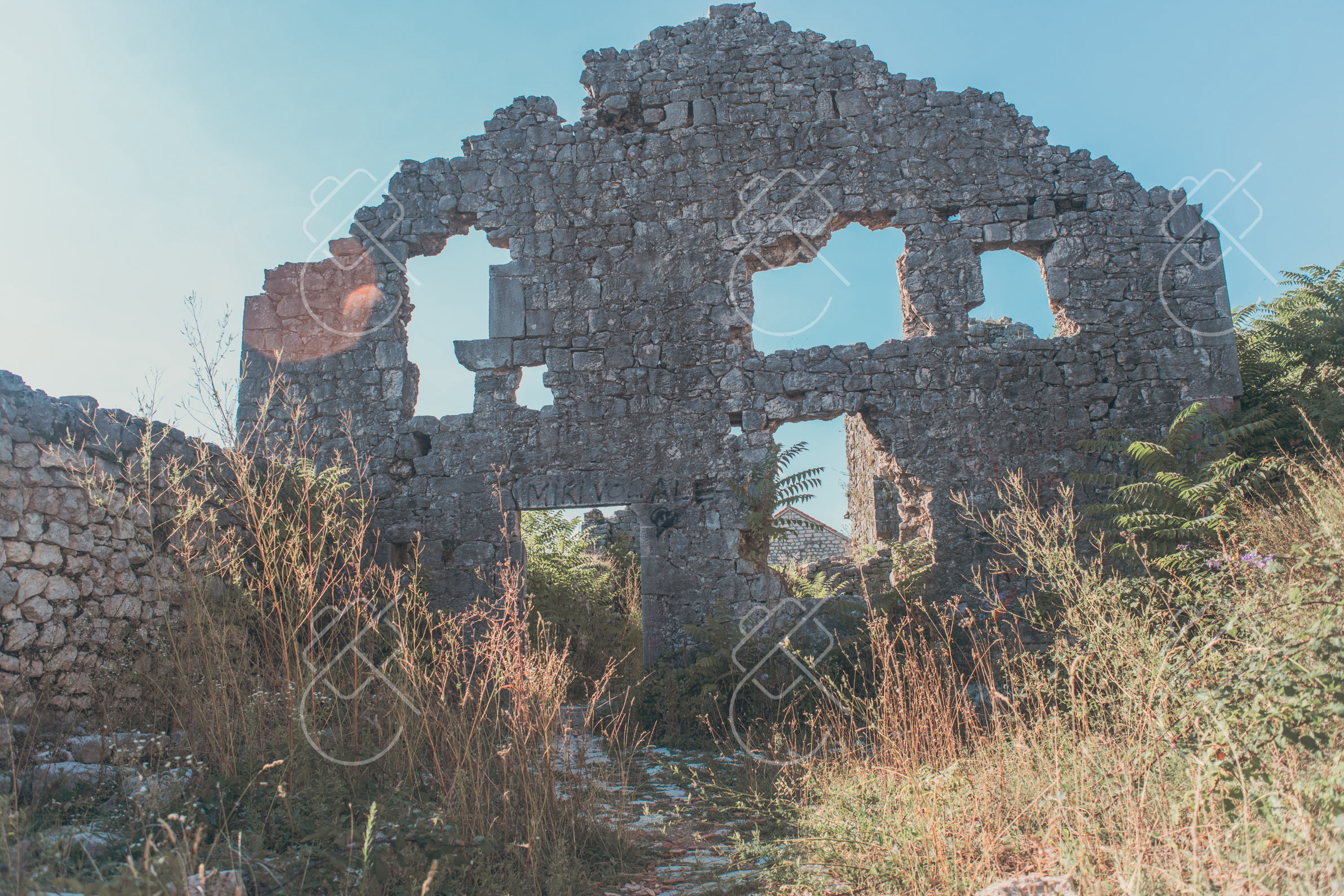
Bedem, the fortress, is the reason to walk to the west side of town. What stands today is mostly the Ottoman rebuild, half restored and half rubble, with one re-roofed tower, a modern stage used for the summer Bedem Fest rock festival, and wall walks with real drops and no railings; from the top you look across red roofs to the mountains around the plain. South of the centre, the Tsar's Bridge (Carev most) crosses the Zeta valley on 18 stone arches about 270 metres long; Russia's Alexander III paid for it, it opened in 1894, and the river has since been straightened so that only one span still crosses water. Lake Krupac, roughly 5 to 6 km west, is where the city swims in summer, and Lake Slano beside it is dotted with small islands. Trebjesa, the pine hill southeast of the centre, is a 126-hectare protected park at 725 metres with a viewpoint over the whole plain. Save a morning for Ostrog Monastery, built into the cliff where St. Basil of Ostrog lived until his death in 1671 and reached by a narrow mountain road off the Podgorica road at Bogetići.
Late May to September. At 640 metres Nikšić is warm rather than sticky in summer (July averages about 20°C), while January averages under 2°C with snow on some days.
Stay in the centre around Trg slobode: the palace, the cathedral hill and the café streets are walkable, Bedem is about fifteen minutes on foot to the west, and you are on the main road out to Ostrog and Podgorica.
Drink Nikšićko, brewed in town by the Trebjesa brewery, whose roots go back to 1896, with a plate of Njeguški pršut and smoked cheese, or kačamak, the highland cornmeal mash with cheese and kajmak.
Do Ostrog first thing in the morning and Bedem in the late afternoon: the monastery's narrow access road and small upper car park fill quickly with coaches, and the fortress walls have no shade and unfenced drops.
A loose, walkable route — bend it to your pace and the light.
Start on Trg slobode with a coffee and walk the straight avenues of Slade's 1883 plan to King Nikola's palace by the town park. Then climb Petrova glavica to the Cathedral of St. Basil of Ostrog; inside, the plain white walls and the light from the dome are the point. If you have the legs, carry on up into the pines of Trebjesa for the view back over the city.
After lunch, walk west to Bedem. Do the circuit of the walls slowly, keep away from the unfenced edges, and stay for the late light on the red roofs below. Finish back in the centre with a Nikšićko and a plate of pršut and cheese.
Where to shoot: Trg slobode · The cathedral on Petrova glavica · Trebjesa viewpoint · Bedem's wall walk at sunset
Tip: The Heritage Museum in King Nikola's palace has had theft losses and conservation work in recent years, so check it is open before planning around it.
Leave early for Ostrog Monastery: take the Podgorica road and turn off at Bogetići for the climb to the Lower Monastery, where you can park and walk the steep forest path up, or drive on to the small upper car park. The Upper Monastery is built into the cliff face around the cave church holding St. Basil's relics. Cover shoulders and knees, and expect a queue on weekends.
On the way back, stop at the Tsar's Bridge in the Zeta valley south of town to walk the arches. In summer, spend the rest of the afternoon swimming at Lake Krupac west of the city, passing the islands of Lake Slano on the way.
Where to shoot: Ostrog's white facade against the cliff · The view down the Zeta valley from Ostrog · The 18 arches of the Tsar's Bridge · Lake Krupac beach
Tip: Go before about 9am: the last stretch of road up to the Upper Monastery is narrow and steep, and it jams when the coach tours from the coast arrive.
With more time, drive north: the road to Plužine runs along the Piva canyon to the Mratinje Dam, and in summer the P14 continues over Sedlo Pass to Žabljak and Durmitor National Park, a route we cover in our Nikšić to Durmitor drive guide. South, Podgorica and Lake Skadar are within easy reach, and Cetinje, the old royal capital, makes a good next stop on the way back to the coast, which is the way our own route went.
Explore regional routes with verified local fleets, zero hidden charges, and transparent insurance on Localrent.
Get the best deals on your Nikšić stay with Booking.com.
Through Nikšić, Montenegro and everywhere else on this trip, World Nomads was the travel insurance we carried the whole way.
Transit cards, local customs, visa rules, and practical travel guides for this region.
Get our new Nikšić guides and practical tips by email: where to stay, what to eat, what things cost and the rules that catch travelers out.
Free. No spam, only new guides and tips.
See every destination we've photographed:
Browse all destinationsCurious about the gear behind these photos? See the gear list.