 Safety & Practicalities
By Clever Tourists · Published
Yes. Tap water in Italy is safe to drink. World Travel Guide states that it "is safe to drink and meets strict European safety and quality standards", and our Italy things to know page agrees. The real questions are practical: where to refill for free, how to order tap water in a restaurant without awkwardness, and which fountains and taps carry an acqua non potabile sign. We were in Italy from July to August 2023, in Verona, Bologna and Venice, so this page focuses on the north as well as Rome's famous fountains.
• Hotel and apartment taps: drink them. Quality is regulated at EU level and monitored locally.
• Public drinking fountains: many towns have them. In Rome they are called nasoni (big noses), cast-iron taps that run constantly. Turismo Roma puts the number at almost 2,500, with some city sources giving 2,800, and says the water is the same potable water Acea delivers to homes.
• "Case dell'acqua" (water houses): some towns and Rome's operator Acea run dispensers where you can fill a bottle for free or a few cents, often with still and sparkling options. Check the local scheme.
• Mountain and rural taps: drink only where signs say the water is drinkable; WTG advises spring water only if it is clearly marked as drinkable.
In restaurants, bottled water is the default. Waiters ask naturale o frizzante? (still or sparkling), and the bottle appears on your bill. You can ask for acqua del rubinetto (tap water) instead, and many places will bring a jug, though some insist on bottled water and nothing in the sources we read says they are obliged to. If you want it, ask politely and expect that it may not be possible at every table.
Water is separate from the coperto, the per-person cover charge that applies in many restaurants. Our coperto guide explains what it covers and how it differs from a tip. Bottled water is typically priced at a few euros a bottle in tourist areas, so carrying a refillable bottle and filling it up before meals adds up to real savings over a week.
Rome's nasoni are the best-known refill points: look for the green iron fountains at street corners. You press a finger over the spout, and a jet of water flows from a hole on top for drinking. The water is cold, constant and free. Acea's Waidy Wow app maps the fountains, according to guides we read. In drought years some fountains have been shut temporarily; in 2017 several were closed.
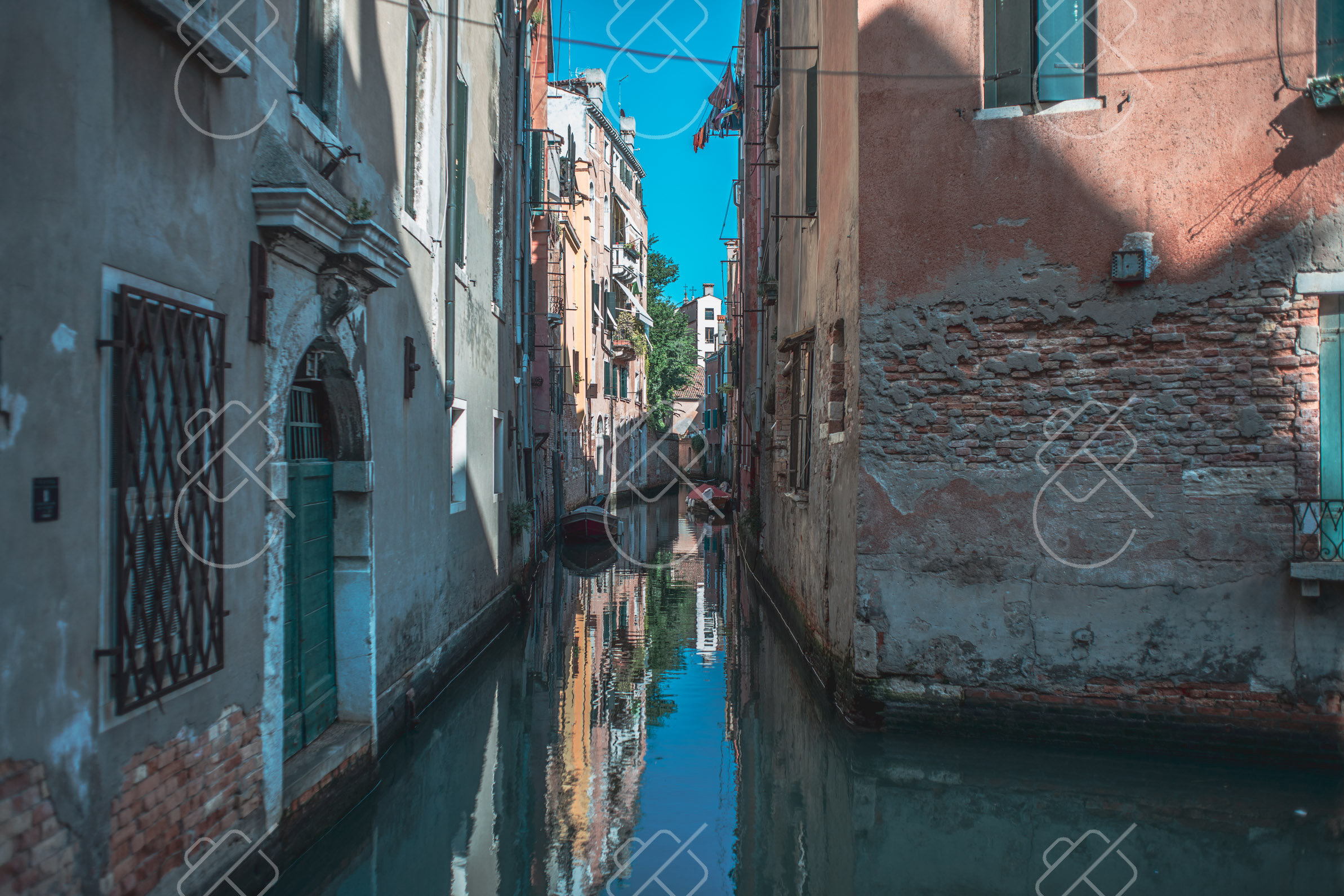
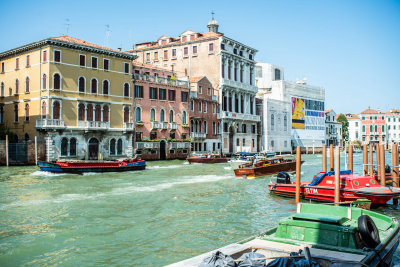
In Verona and Bologna, public fountains are less famous but common in squares. In Venice, the tap water is the same safe mainland supply that flows through the lagoon city. Cafe water at a bar counter is sometimes free if you ask. Take a bottle with you: water in Venice's tourist zones is expensive, and the heat of July and August makes you thirsty on the long walks. Our Italy itinerary for Venice, Verona and Bologna follows our route, and the Italy tourist tax guide covers what you pay at hotels.
Ice is made from the same supply and is safe. Italian drinks traditionally come with little ice, and in Italy ice is not automatic, so ask. On trains, water taps in lavatories are not for drinking, and signs reading acqua non potabile mean exactly that. Anywhere without a sign, a fountain in a built-up area is almost certainly municipal water, but if in doubt ask a local or choose a marked one.
Carry a refillable bottle, fill up at fountains and hotels, and buy a large bottle at a supermarket if you need to. Our Italy grocery guide lists what to buy, and our Italy cash-or-card guide explains small payments at bars and kiosks.
Pair this with our Italy packing list, which covers the heat of an Italian summer in more detail.
Bring a reusable bottle, fill it at hotel taps and public fountains, and carry it on city walks in July and August, when heat is highest. In Rome, plan your route around nasoni; in Venice and Verona, fill up at your accommodation before heading out.
Do not assume every tap is for drinking: bathroom taps on trains and at some rest stops are marked as not potable. In restaurants, order water when you sit down so the waiter does not default to a bottle, and check the bill for the coperto and bottled water lines.
This guide covers the north we visited and Rome. Water quality is regulated across the country, but taste and hardness vary. Some southern and island areas have summer shortages, and supply may be restricted or irregular in drought years; hotels may ask you to save water. If a local authority posts a notice that water is not drinkable, believe it and ask your accommodation for bottled water.
In the Alps and Dolomites, mountain huts (rifugi) often serve spring water and tell you if it is drinkable. Ask before you fill up.
Yes. Rome's nasoni fountains and the tap water in hotels come from the same potable supply, according to Turismo Roma.
Ask for acqua del rubinetto. Some restaurants will bring a jug; others will only serve bottled water, so be prepared for either.
Bottled water is the default and is charged. Tap water, when served, is generally not charged, but the cover charge (coperto) is separate.
Yes. Venice's tap water is treated and safe, and the same rules apply as elsewhere in Italy.
Only from public drinking fountains in towns. Avoid any tap or fountain marked acqua non potabile, and drink from spring water in rural areas only if the sign says it is drinkable.
Get our new Italy guides and practical tips by email: where to stay, what to eat, what things cost and the rules that catch travelers out.
Free. No spam, only new guides and tips.
Search verified local fleets with low security deposits and exact model delivery on Localrent.
Get the best deals on Italy hotels on Hotels.com before prices climb.