 Safety & Practicalities
By Clever Tourists · Published
Yes, Italy is safe for tourists; the realistic problems are pickpockets, minor scams, strikes and fines rather than violent crime. The US State Department lists Italy at Level 2, Exercise Increased Caution, citing terrorism, and the UK Foreign Office does not advise against travel to any part of the country, though its 29 October 2026 update flags a national strike. The things that cost visitors money are pickpocketing at stations and tourist sites, spiked drinks in bars, driving into a ZTL (restricted traffic zone), unvalidated tickets, and summer heat and wildfires. We spent about a week in northern Italy in July and August 2023: Verona (2 days), Bologna (4 days) and Venice (3 days).
The US State Department lists Italy at Level 2: Exercise Increased Caution, citing terrorism. We could not load the State Department site directly in October 2026 and relied on secondary reports (including a Newsweek roundup of 2026 advisories), so check the live page. A different aggregator listed Italy as Level 1; we treat that as unreliable, but it is another reason to read the official page.
The UK Foreign Office updated its Italy page on 29 October 2026 with information about a national strike running from 9pm on 29 October to 9pm on 30 October, which it said may disrupt rail, air travel, taxis, motorways, local transport, schools and government offices. It does not advise against travel. It adds that terrorist attacks cannot be ruled out and that security has been increased at some Jewish community sites. Strikes recur through the year; see our things to know before visiting Italy page and check before long train days.
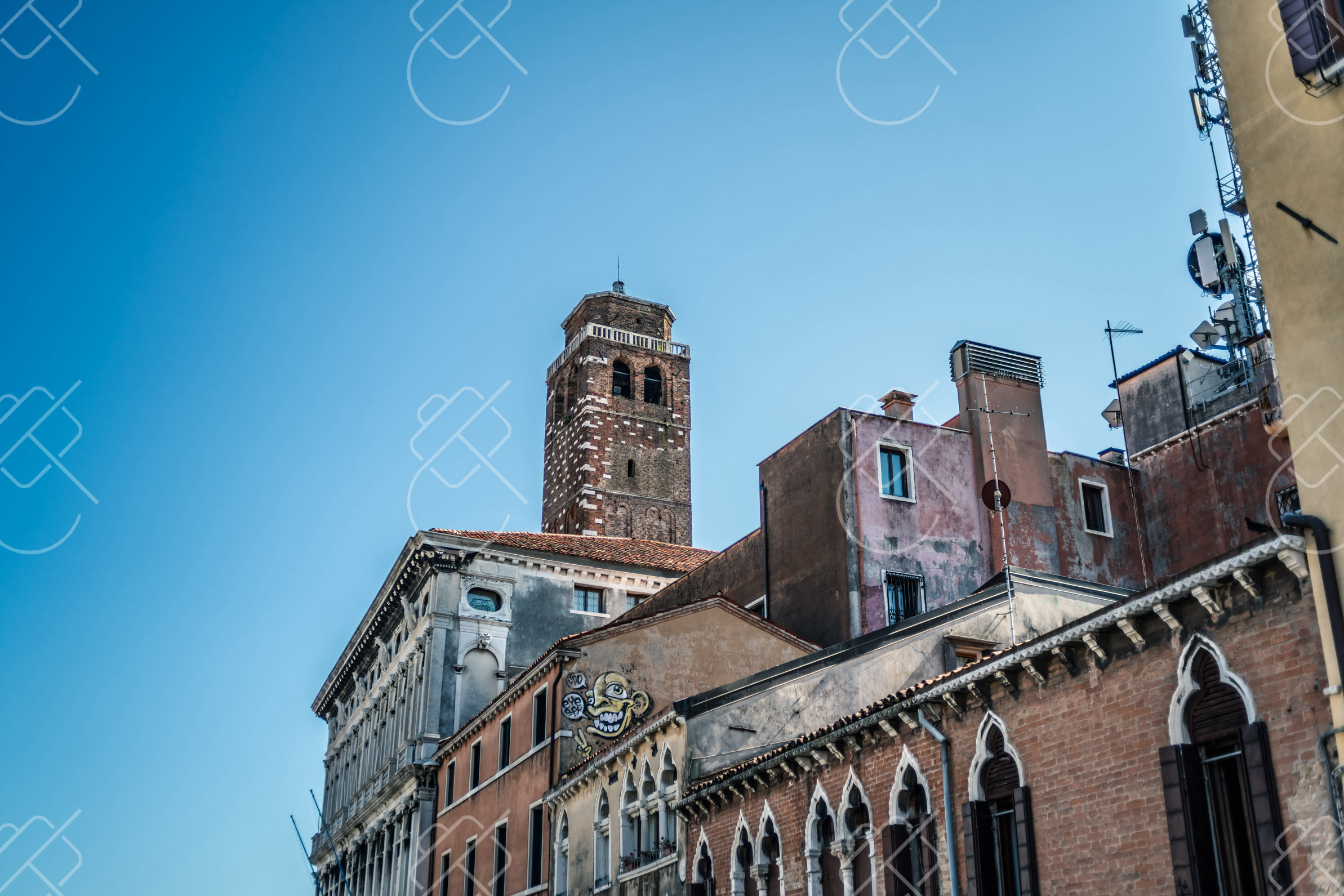
The FCDO calls crime generally low but says petty crime such as bag snatching and pickpocketing is common in city centres and at major tourist sites, and be extra careful on public transport, at airports and in bars and restaurants. Its advice: keep belongings in sight, watch for distraction techniques, and don't carry all your valuables together. Use the hotel safe for spare cash. Thieves may distract you by asking for help or directions, or by pointing out a fake fault with your car. Thefts from parked cars are common, so don't leave luggage in a vehicle, even in the boot.
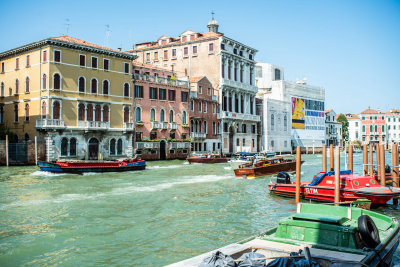
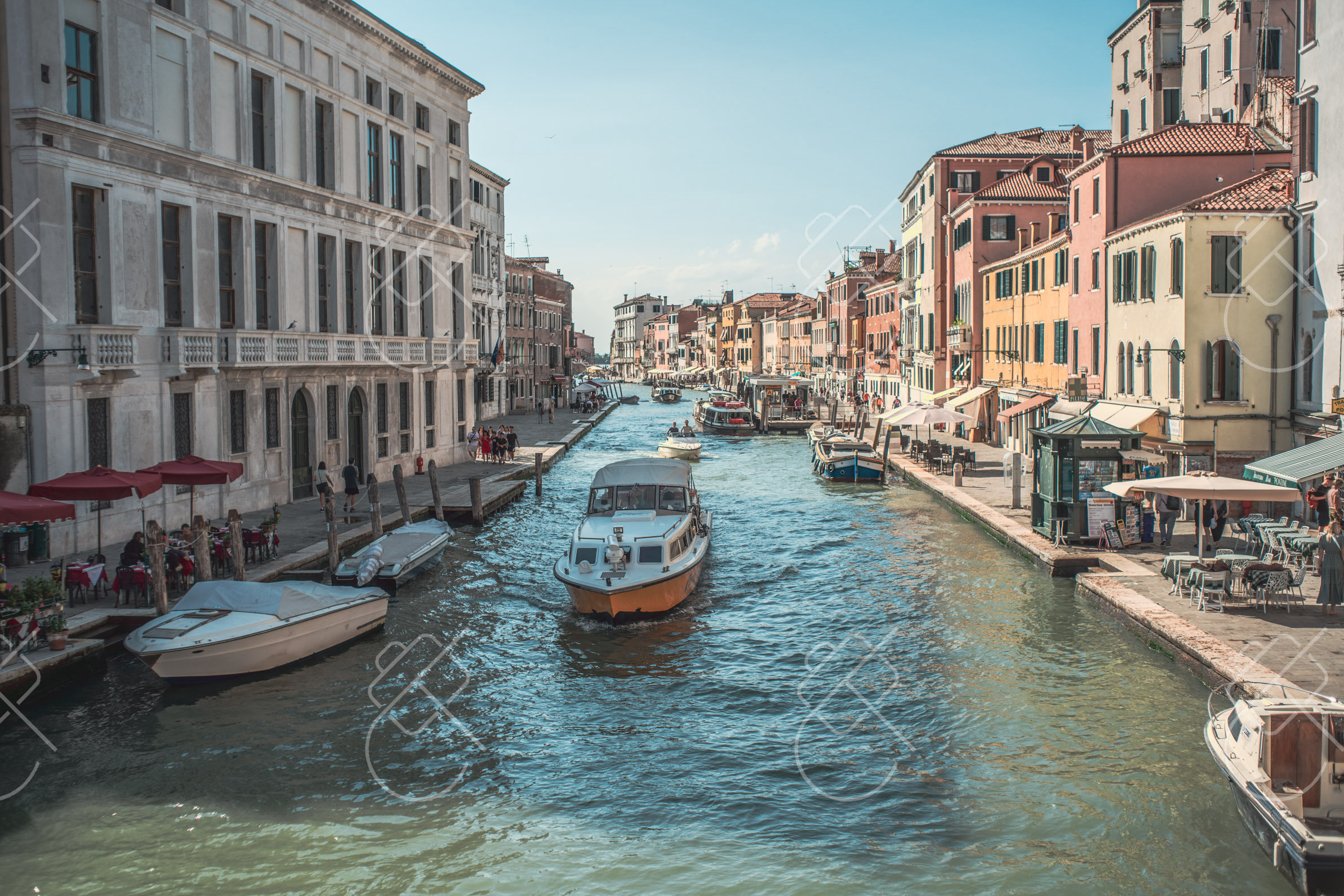
Our tourist scams in Italy page covers named set-ups city by city. In Venice, crowded vaporetti and the Rialto area are where bags are most exposed; we spent three days there, and the city also now charges a day-tripper fee; see the Venice entry tax guide.
• Spiked drinks: don't accept drinks from strangers or leave yours unattended. The FCDO says spiked drinks have led to robberies and assaults, and that bars often pour stronger measures than at home.
• Unlicensed street traders: buying from them is illegal and can lead to a fine for the buyer.
• Ticket validation: on public transport, tickets must be validated and officials issue on-the-spot fines.
• Monuments and fountains: local fines apply for littering, sitting on monument steps and entering public fountains. Urinating in public can cost up to 10,000 euros.
• Beach souvenirs: removing sand, shells or pebbles is illegal, and Capri bans disposable plastics with fines of up to 500 euros.
Dress and conduct rules at churches are covered in what to wear in Italy, and the cover charge is explained in the coperto guide.
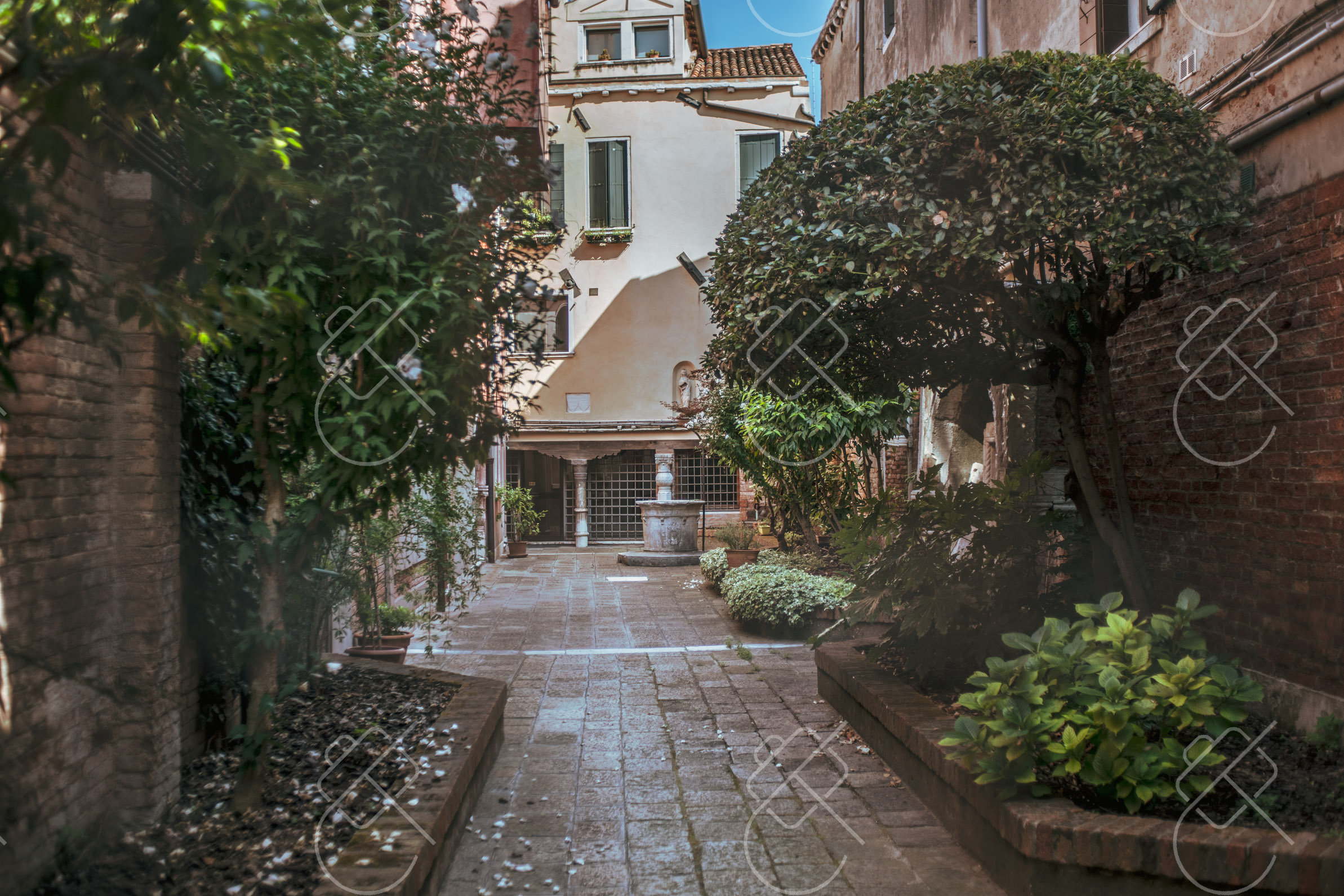
Driving into many historic city centres requires a pass, and ZTL zones are enforced by camera, so a fine arrives by post months later even for a rental. Police can stop you at any time for an ID check; carry photo ID, and expect to show your full passport if stopped while driving. Our driving in Italy ZTL guide explains how to spot the signs. For first-time visitors the northern itinerary of Verona, Bologna and Venice works well without a car; see the Italy itinerary.
Wildfires are a risk in summer. Several volcanoes are active in southern Italy, the Phlegraean Fields area has regular tremors, and eruptions can affect flights to or from Catania. Minor tremors and earthquakes happen regularly because much of Italy sits on a major fault line. Flooding is common in winter, and Venice often experiences high water. The FCDO refers only to general extreme-weather guidance for heat, so use national forecasts and plan summer sightseeing for early and late hours. Our best time to visit Italy page covers which months suit which regions. People drown each year in Italian seas, lakes and pools; test lake water temperature to avoid cold-water shock and watch for strong currents and undertows at beaches.
Hikers should check forecasts, carry navigation equipment, avoid going alone and leave their itinerary with someone. Trentino has brown bears, and the region publishes bear-encounter guidance. For skiing, CE-certified helmets have been required at all ski resorts since 1 November 2025 (fines up to 200 euros plus up to three days of ski-pass suspension), third-party liability insurance is legally required, and off-piste skiers must carry tracking equipment, a probe and a shovel.
Italy is a popular solo destination; see solo travel in Italy. Standard late-night precautions apply, and the drink-spiking warnings above apply to everyone. Illegal drugs carry severe penalties, including long jail sentences and heavy fines, even in airport transit. Call 112 for emergency services after an accident or if you are lost. Italian sources list 113 for police and 118 for medical, but 112 is the number the FCDO gives and it works everywhere in Italy. Keep your insurer's number saved; see travel insurance, and check card and cash habits in cash or card in Italy.
Yes. The US State Department lists Italy at Level 2 because of terrorism, and the UK Foreign Office does not advise against travel to any part of it. Petty crime and strikes are the usual problems.
Pickpocketing and bag snatching in city centres, at tourist sites, on public transport and at airports, plus spiked drinks in bars and fines for rule breaches such as ZTL driving.
The UK Foreign Office reported a national strike from 9pm on 29 October to 9pm on 30 October 2026 that may disrupt trains, flights, taxis and local transport. Strikes recur, so check before travelling.
ZTL zones restrict traffic in historic centres and are enforced by camera. Driving in without a pass leads to a fine. Our ZTL guide explains how to spot the signs.
112 for emergency services. Italian police are 113 and medical 118, but the UK Foreign Office gives 112.
Get our new Italy guides and practical tips by email: where to stay, what to eat, what things cost and the rules that catch travelers out.
Free. No spam, only new guides and tips.
Search verified local fleets with low security deposits and exact model delivery on Localrent.
Looking for the best deals on Italy hotels? Check Booking.com.