 Safety & Practicalities
By Clever Tourists · Published
Yes, Australia is safe for tourists: the US State Department lists it at Level 1, Exercise Normal Precautions, and the UK Foreign Office does not advise against travel to any part of it. Cities are low-risk. What hurts visitors is the environment: rip currents at the beach, marine stingers in the tropical north, bushfires in the hot months, extreme heat and long, empty roads in the outback. Wildlife makes the headlines, but swimming between the flags and carrying enough water matter far more. We covered Australia in January and February 2023 on the route Melbourne (4 days), the Great Ocean Road and Grampians, Adelaide, Alice Springs (4 days), Townsville, Magnetic Island (3 days), Cairns (3 days), Daintree (2 days) and Sydney (2 days).
The US State Department lists Australia at Level 1: Exercise Normal Precautions. We could not load the State Department site directly in October 2026 and relied on secondary reports, so check the live page before you fly.
The UK Foreign Office last updated its Australia page on 19 March 2026, when it revised its notice about travel disruption linked to the Middle East escalation. It does not advise against travel to Australia or any region, and its only specific warning is that bushfire risk is higher from October to February. Entry rules, including the electronic visa, are in our Australia ETA guide.
The FCDO calls rip currents the main hazard for swimmers and surfers; they can occur at any beach and can carry strong swimmers out to sea. Swim between the red and yellow flags where lifeguards patrol, read warning signs and check the depth before diving in, since people have been injured diving into shallow water. Snorkelling accidents have sometimes been fatal, so don't snorkel alone and stay with a guide on reef trips.
If you are caught in a rip, the standard advice is to float, signal for help and swim parallel to shore rather than fight the current. Beachsafe and Surf Life Saving Australia publish beach-by-beach guidance.
The FCDO notes that crocodiles, jellyfish, sharks, venomous insects, spiders and snakes are found in many parts of the country. For most visitors, the practical ones are:
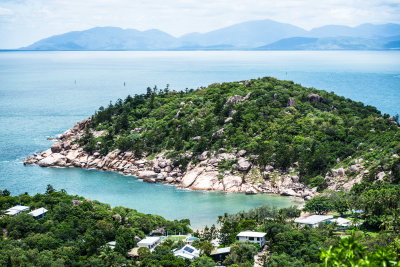
• Marine stingers: in tropical north Queensland the stinger season runs roughly November to May, when box jellyfish and tiny Irukandji are most common. Surf Life Saving Queensland urges full-body stinger suits, and nets do not give complete protection, especially against Irukandji. Dates vary by location, so ask local lifeguards. Our Queensland days in Cairns, Magnetic Island and Daintree fell in February, inside that window.
• Crocodiles: in the far north, obey croc warning signs and keep away from the water's edge in tidal rivers and estuaries.
• Snakes and spiders: keep to paths and wear closed shoes in bush.
See our Cairns days guide and the Tropical North Queensland guide.
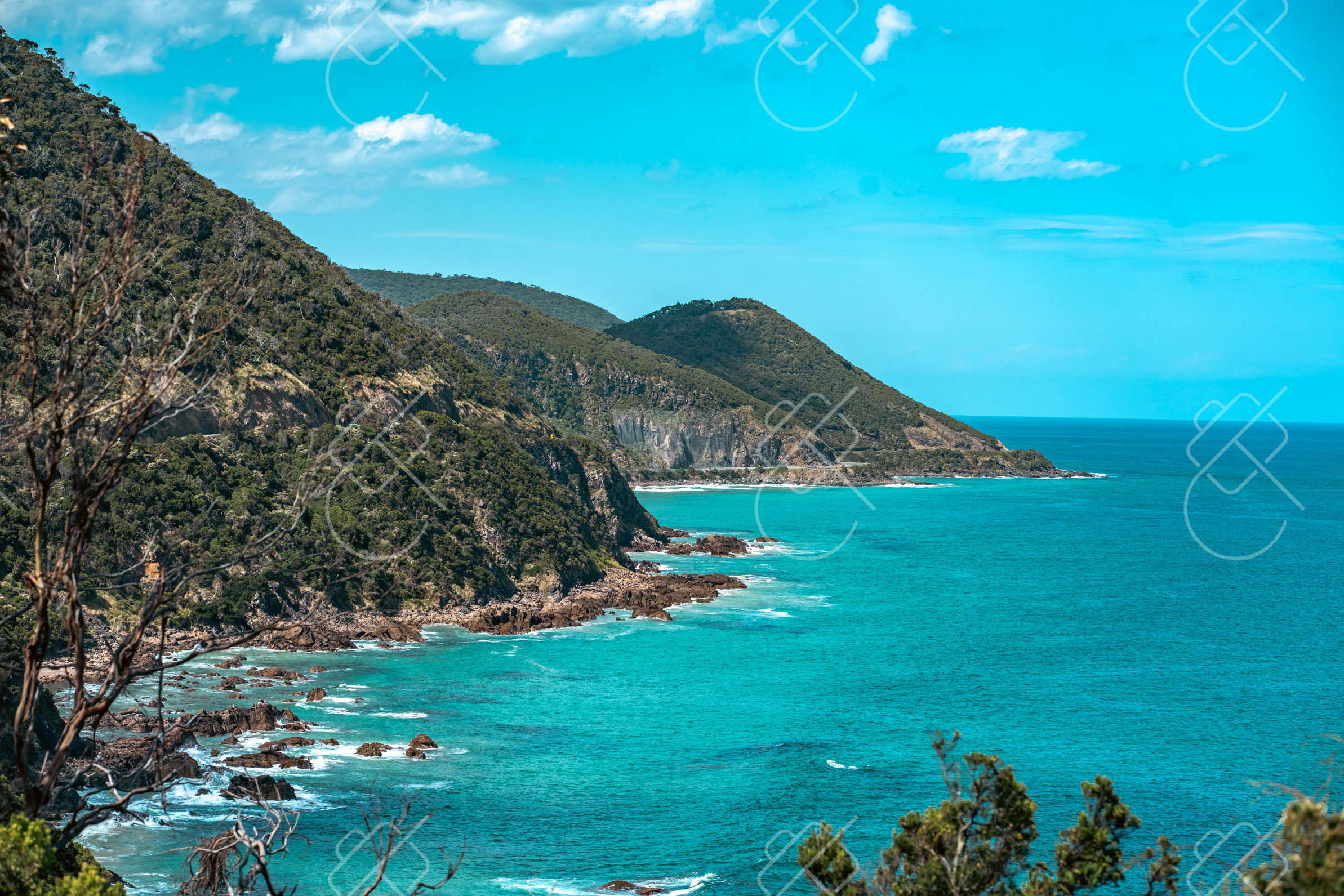
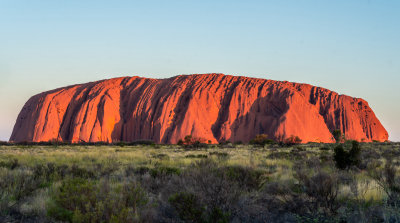
Bushfires can occur anywhere, including near towns and cities, and the FCDO says the risk is highest from about October to February. Fires change direction quickly and become life-threatening with little warning, and smoke can travel far and affect air quality. Download a weather or emergency app such as BOM Weather and follow local authority advice. Extreme heat is a serious risk in its own right: avoid travelling in it, check the forecast and carry water. Alice Springs, where we spent four days in February 2023, sits in the arid centre; our best time to visit Australia page shows which regions suit which season.
Distances between towns are large and help can take hours to arrive. The FCDO advice for remote trips is to carry enough water, tell someone your route and expected return time, check road conditions, take a roadworthy vehicle with GPS and two spare tyres plus maps, food, water and fuel, and stay with your vehicle if it breaks down. Northern Territory Police have warned tourists to avoid unsurfaced tracks in remote Central Australia. On K'gari (Fraser Island) beach speed limits are 80 km/h and town limits 30 km/h, with a maximum of eight occupants in 4WDs and a warning against night driving. You must carry your driving licence and passport when driving, and wearing a seatbelt is mandatory. See driving in Australia.
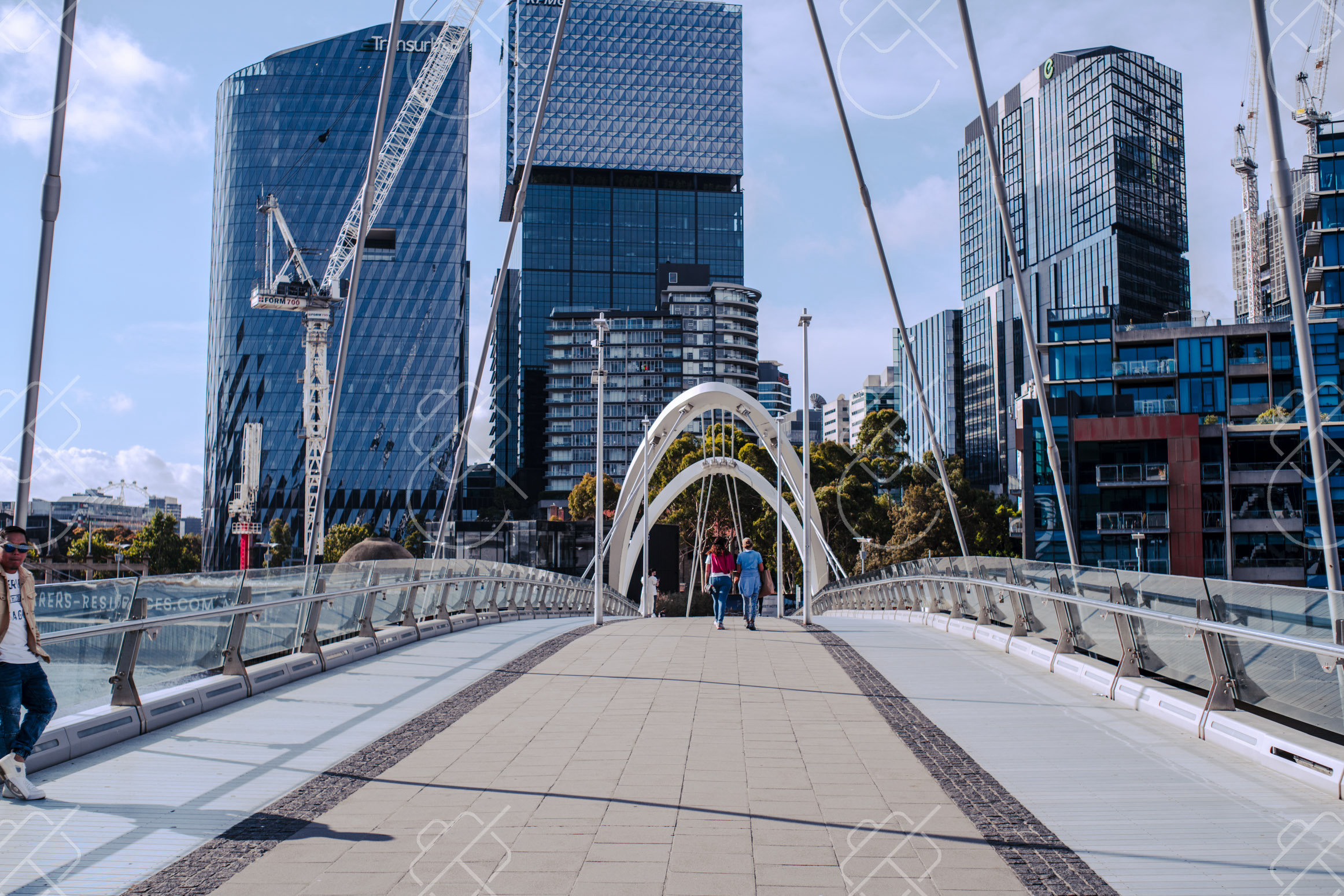
Petty theft is the main crime risk: keep bags with you, don't leave anything visible in cars and use the hotel safe for your passport. Take extra care at night in busy tourist areas. The FCDO says scams are common, including dating and romance scams and fake repair or service websites; report concerns to the Australian Scamwatch website. Violent crime against tourists is uncommon. Ride-hailing apps and taxis from ranks in cities are straightforward, and our Sydney airport guide and Melbourne airport guide cover the first transfer.
• Vaping: you need a prescription to buy e-cigarettes containing liquid nicotine, and importing vaping goods is strictly regulated.
• Smoking: illegal in enclosed public spaces in all states; rules differ by state.
• Drugs: importing or trafficking brings long prison sentences and deportation.
• Drink or drug driving: illegal with severe penalties.
• Alcohol: some bar drinks are stronger than in the UK.
Same-sex marriages are legally recognised. Tipping is not expected; see tipping in Australia.
Australia is a common first solo destination. Standard city precautions apply at night, and the FCDO advises taking extra care in busy tourist areas after dark. The emergency number is 000 for police, fire and ambulance (112 also works from mobile phones). Telstra public payphones can make free calls to Australian numbers. Pack for sun and bugs using our Australia packing list.
Yes. The US State Department lists Australia at Level 1 and the UK Foreign Office does not advise against travel to any region. The main risks are environmental: rip currents, stingers, bushfires, heat and remote driving.
Roughly November to May in tropical north Queensland, when box jellyfish and Irukandji are most common. Wear a full-body stinger suit and ask local lifeguards for the dates in your area.
The UK Foreign Office says the risk is higher from about October to February. Fires can occur anywhere, including near towns.
Rip currents. They can occur at any beach and can carry strong swimmers out to sea. Swim between the flags and read warning signs.
000 for police, fire and ambulance. 112 also works from mobile phones.
Get our new Australia guides and practical tips by email: where to stay, what to eat, what things cost and the rules that catch travelers out.
Free. No spam, only new guides and tips.
Get the best deals on your Australia stay with Booking.com.