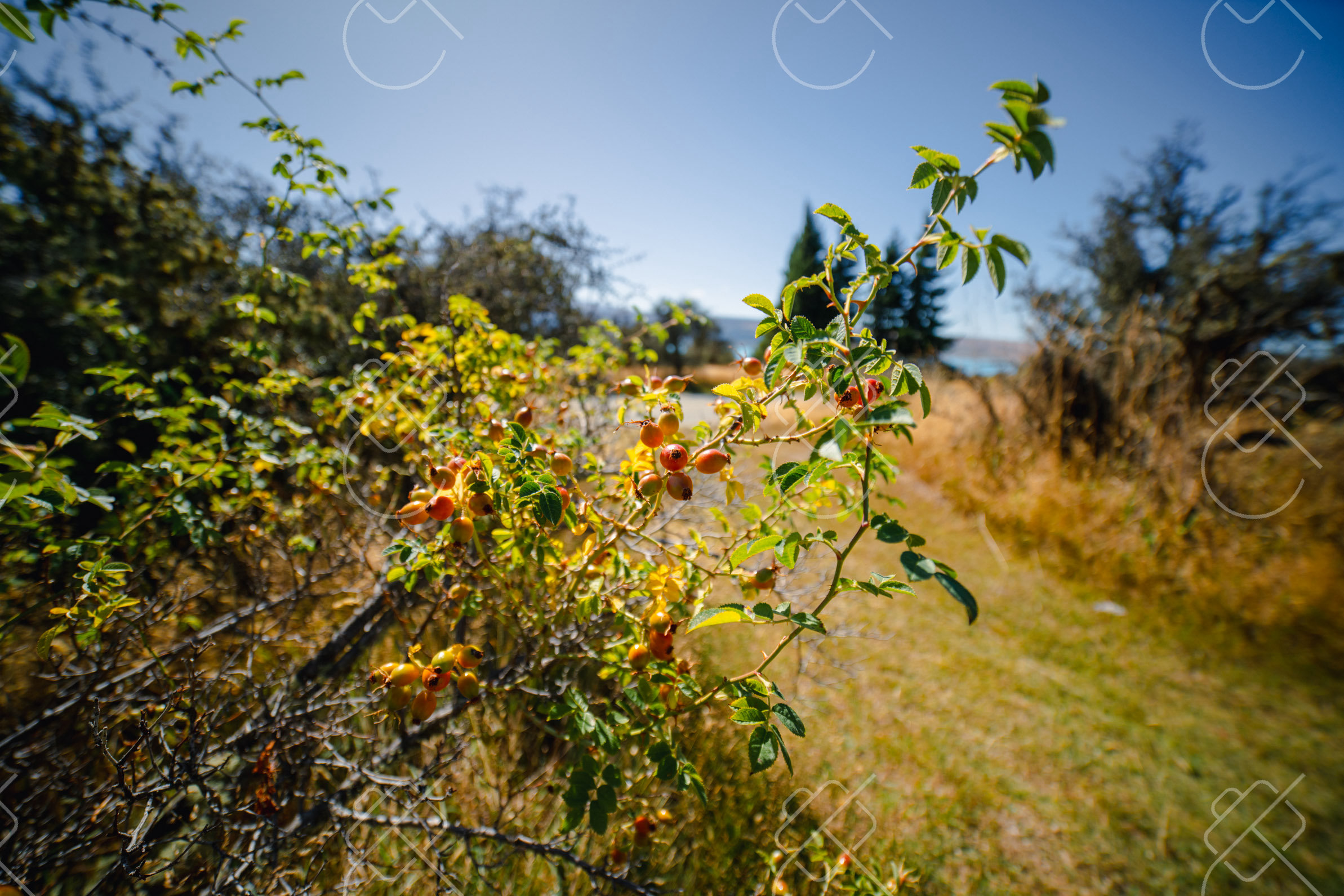
 Safety & Practicalities
By Clever Tourists · Published
Yes, New Zealand is safe for tourists: the US State Department lists it at Level 1, Exercise Normal Precautions, and the UK Foreign Office does not advise against travel to any part of it. Violent crime against visitors is rare. The risks that actually affect trips are theft from parked rental cars and campervans, earthquakes and volcanic activity, weather that turns fast on coasts and mountains, narrow winding roads, and tramping or adventure activities done without preparation. We spent about 23 days on the South Island in February and March 2023, from Christchurch via Lake Pukaki, Glenorchy, Te Anau, Milford Sound, Queenstown, Wanaka, Haast and Fox Glacier to Arthur's Pass and Little River.
The US State Department lists New Zealand at Level 1: Exercise Normal Precautions. We could not load the State Department site directly in October 2026 and relied on secondary reports of the current rating, so confirm it on the live page.
The UK Foreign Office page was last updated on 19 March 2026, when it added information on global travel disruption from the Middle East escalation, such as airspace closures and delayed flights. It carries no advice against travel to New Zealand or any region. Before you fly, check entry rules in our NZeTA and IVL guide.
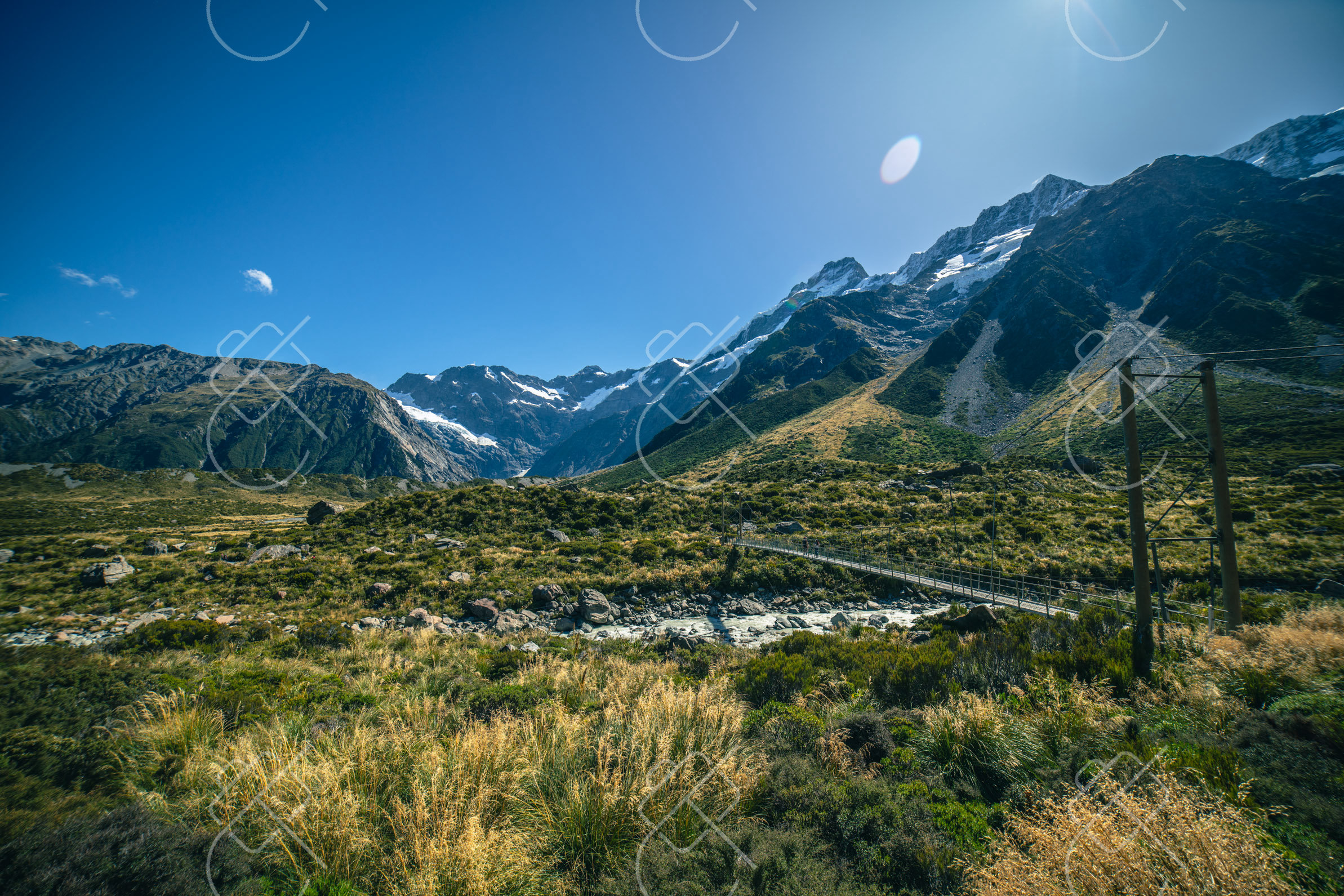
The FCDO says crime is generally low but that street crime occurs in major towns and cities, and thieves target unattended vehicles, especially hire cars and campervans in tourist areas. Its advice is not to leave possessions in vehicles even if out of sight. In practice: take your passport, laptop and bags with you at viewpoints and trailhead car parks, and empty the car overnight in Queenstown, Wanaka and other busy bases. Our South Island itinerary lists the stops where this matters most, and the Queenstown airport guide covers arrival.
New Zealand lies on a major earthquake zone, and tsunamis can occur along coastlines. The official advice is Drop, Cover, Hold during shaking. Follow instructions in hotels and public places and monitor warnings from the National Emergency Management Agency. If you are near the coast and feel a long or strong earthquake, move inland or uphill immediately; local Civil Defence groups publish tsunami evacuation zone maps, and . Several North Island volcanoes are active, so get local advice on where activity might occur before hiking near one.
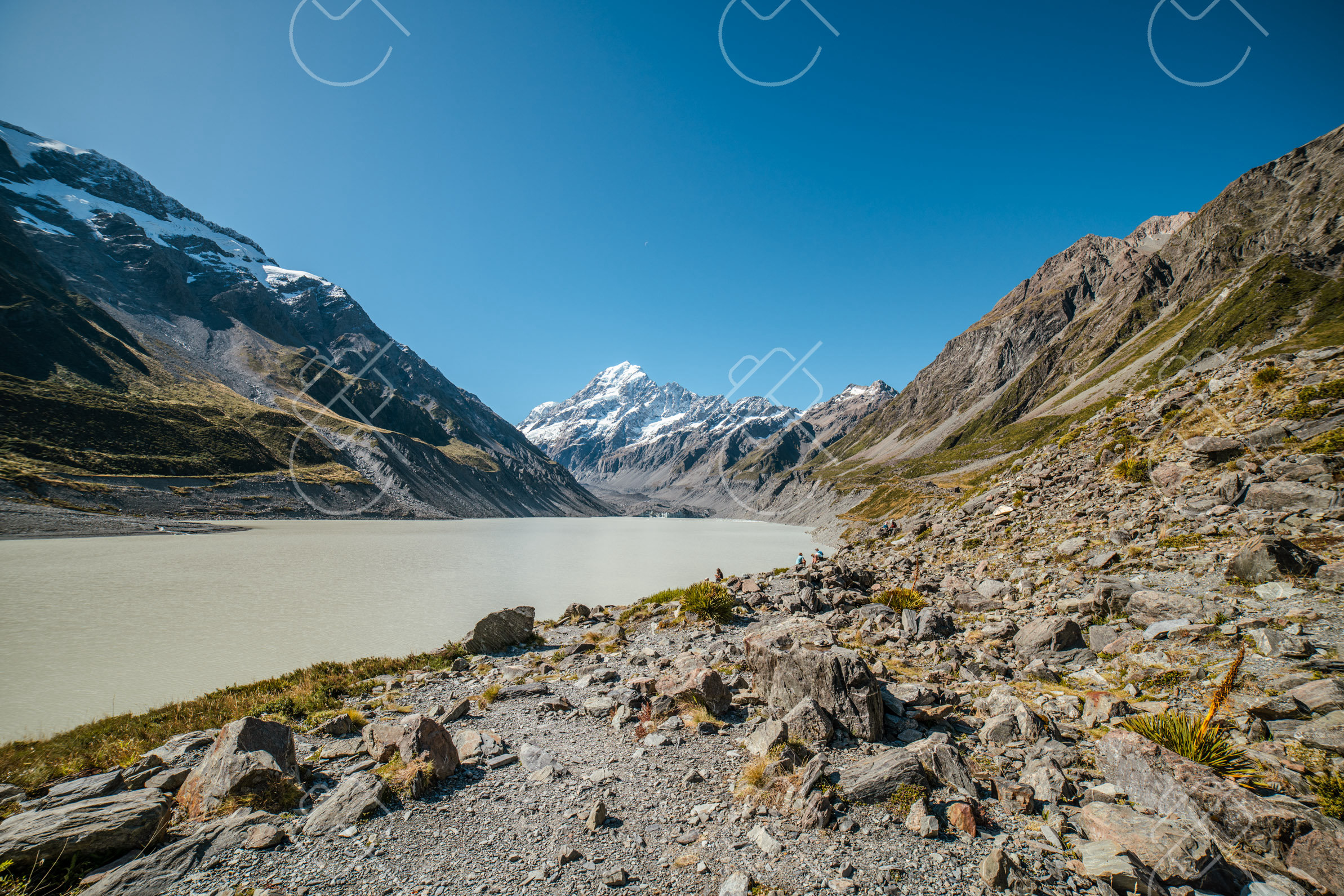
The FCDO warns that coastal and exposed areas can become dangerous quickly. Flooding and landslides can close roads and cut off places such as Milford Sound and the West Coast. Check regional forecasts each morning and keep a day of slack in your plan. Before visiting remote areas, check with local visitor centres and the Department of Conservation and AdventureSmart, leave your itinerary with family or friends, and for extreme sports confirm the operator is well established and that your insurance covers the activity. Our Milford Sound cruise guide and Arthur's Pass guide cover the two most weather-exposed legs. See best time to visit New Zealand for season choice; we were there in February and March.
Highways can be narrow, winding and hilly, and many visitors are used to driving on the other side of the road. The FCDO says UK photocard licences are valid for up to 18 months and old paper licences can be exchanged, and that you should read the Road Code. Hire companies arrange insurance; private vehicle drivers must carry their own, including accident cover. Plan shorter driving days than the map suggests: on our route, legs such as Te Anau to Milford Sound and Haast to Fox Glacier are scenic but slow, and the 23 days included stops of only one night in several places (Milford Sound, Queenstown, Haast, Jacksons, Arthur's Pass). Build slack for rain closures and fuel stops, and see driving in New Zealand and the US-tourist rules guide. Sleeping in vehicles is regulated; see freedom camping rules.
• Drugs: importing illegal drugs can bring up to 12 years in prison.
• Same-sex relations: New Zealand has a tradition of tolerance, though isolated homophobic incidents occur, especially in rural areas.
• National park fees for international visitors: see park fees 2027.
• Tipping is not expected; see tipping in New Zealand.
For general practicalities, our things to know before visiting New Zealand page covers biosecurity and costs.
New Zealand is a popular solo destination The main solo-specific risk is outdoor, not social: tell someone your route before any walk. Standard late-night precautions apply in Queenstown and Auckland. Dial 111 for police, fire or ambulance. Keep your travel insurer's number saved; see travel insurance for international trips. If you are planning a longer trip, the New Zealand guide has the full route we covered.
Yes. The US State Department lists New Zealand at Level 1 and the UK Foreign Office has no advice against travel to any region. The main issues are car break-ins, earthquakes, changeable weather and driving.
No. The UK Foreign Office says thieves target unattended hire cars and campervans in tourist areas and advises not leaving possessions in vehicles, even out of sight.
Drop, Cover, Hold. Follow instructions in hotels and public areas, and if you are on the coast and feel a long or strong quake, move inland or uphill and watch National Emergency Management Agency warnings.
111 for police, fire and ambulance.
The UK Foreign Office says a UK photocard licence can be used for up to 18 months. Read the Road Code first; highways can be narrow and winding.
Get our new New Zealand guides and practical tips by email: where to stay, what to eat, what things cost and the rules that catch travelers out.
Free. No spam, only new guides and tips.
Search verified local fleets with low security deposits and exact model delivery on Localrent.
Get the best deals on your New Zealand stay with Booking.com.