 Food & culture
By Clever Tourists · Published
Teishoku and tonkatsu are not competing dishes. Teishoku (定食) is a format: a set meal of rice, miso soup, pickles and one main dish on a tray. Tonkatsu (豚カツ) is a dish: a breaded, deep-fried pork cutlet. When you order tonkatsu in Japan it usually arrives as a teishoku, so a "tonkatsu teishoku" is the cutlet plus rice, soup, pickles and shredded cabbage. At chains like Katsuya a loin katsu set costs about ¥900 (≈ $5.7), and at specialist tonkatsu restaurants ¥1,500 to ¥3,000 (≈ $9.5–19.0). Here is what to expect, how ordering and refills work, and the katsu variations worth knowing.
Free toolConvert to your own currency at live rates →Live mid-market rates for all 17 currencies we used, so you can see what a price actually costs.A teishoku is Japan's everyday lunch and dinner format, served at diners (shokudō), chain restaurants and many specialist shops. The standard tray has:
• Rice (gohan), usually white, sometimes with a mixed-grain option.
• Miso soup, or tonjiru (pork and vegetable miso soup) at many katsu shops.
• Pickles (tsukemono), a small dish of pickled vegetables.
• One main (okazu): grilled fish, ginger pork (shōgayaki), karaage fried chicken, a hamburg steak, sashimi or a katsu, often with a small side such as salad or simmered vegetables.
The name of the set tells you the main: saba shioyaki teishoku is salt-grilled mackerel, karaage teishoku is fried chicken, tonkatsu teishoku is the pork cutlet. On menus you will also see setto (set) or gozen (a fancier tray) used in the same sense.
Tonkatsu is pork coated in flour, egg and coarse panko breadcrumbs, deep-fried and sliced into strips so it can be eaten with chopsticks. It comes with a thick, sweet-sour tonkatsu sauce, hot mustard and a mound of finely shredded raw cabbage. The two cuts:
• Rōsu (loin): has a band of fat, richer and juicier, usually the cheaper option.
• Hire (fillet/tenderloin): lean and tender, usually a little more expensive.
Related dishes you will see on the same menus:
• Katsudon: a cutlet simmered with onion and egg in a sweet soy broth, served over a bowl of rice. It is a donburi (rice bowl), not a teishoku, though it often comes with miso soup and pickles.
• Katsu curry (katsu karē): a cutlet on rice with Japanese curry sauce. Specialist curry chains such as CoCo Ichibanya sell it with adjustable spice levels.
• Chicken katsu, menchi katsu (minced meat cutlet) and ebi furai (fried prawns): other breaded fries sold at the same shops.
• Katsu sando: a cutlet sandwich in soft white bread, sold at tonkatsu shops, department-store food halls and convenience stores.
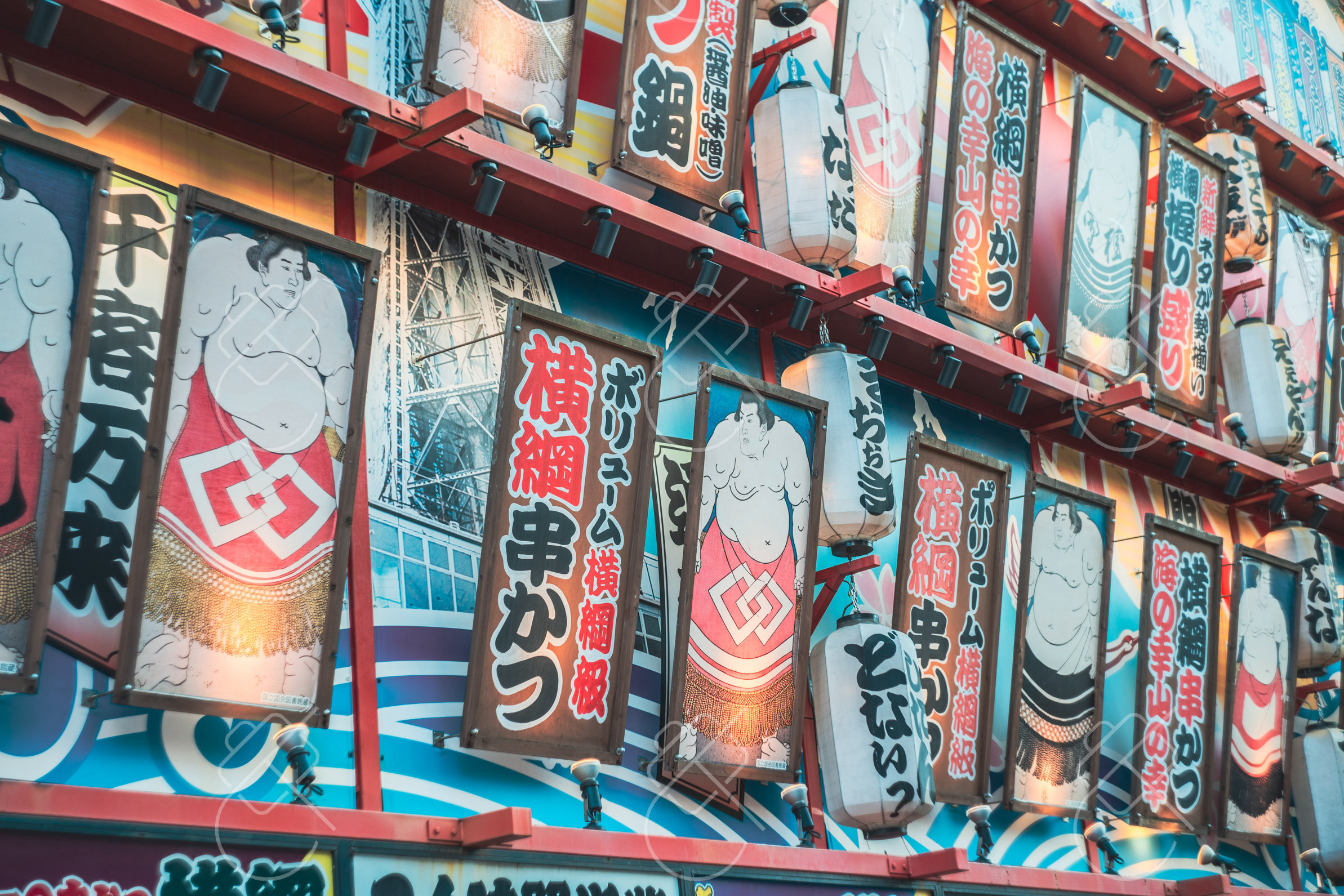
• Kushikatsu: Osaka's battered and fried skewers of meat, seafood and vegetables, a different dish and a different restaurant type, famous in the Shinsekai district. The rule there is no double-dipping in the shared sauce.
Many budget teishoku and katsu chains use a ticket machine (shokkenki) by the door. You choose your meal on the machine, pay in cash or, increasingly, by IC card or credit card, take the ticket and hand it to the staff or place it on the counter. Most machines have an English button; if not, the photos and prices are enough. Other chains use a tablet at the table, and sit-down specialist shops take orders from a paper menu.
Common choices on the machine or tablet: cut (rōsu or hire), weight (for example 120 g or 150 g), rice size (ōmori is a large portion, sometimes free) and add-ons such as an extra croquette or a raw egg.
There is no tipping. Pay the price on the machine or the bill and leave; our tipping in Japan and South Korea guide explains why.

Refills (okawari) are a big part of the value. Many tonkatsu specialists, including chains such as Saboten and Wako, offer free refills of rice, cabbage and miso soup at most branches; staff come round with a pot, or you raise your hand and say "okawari, onegaishimasu." Some shops limit refills to one round, and policies vary by branch.
At the teishoku chain Yayoiken, rice refills from a self-service station are free, along with pickles and a hot dashi broth for pouring over the last of your rice, and the chain kept the service after its March 2026 price rise. Some branches have trialled charging for refills in the past, so check the sign by the rice cooker.
• Katsuya: the cheapest dedicated katsu chain. A loin katsu set with rice and a small tonjiru cost ¥913 (≈ $5.8) including tax in early 2026, and katsudon is cheaper. Ticket-machine branches can price slightly differently.
• Matsunoya: a tonkatsu and fry chain run by Matsuya Foods, with sets mostly in the ¥800 to ¥1,000 (≈ $5.1–6.3) range in 2026.
• Saboten, Wako and similar department-store or station chains: roughly ¥1,500 to ¥2,500 (≈ $9.5–15.9) for a set with free refills.
• Yayoiken and Ootoya: teishoku chains with a wide choice of mains (grilled fish, ginger pork, katsu, nanban chicken), mostly around ¥900 to ¥1,500 (≈ $5.7–9.5).
• Specialist tonkatsu restaurants with branded pork such as Kurobuta or other heritage breeds: ¥2,000 to ¥4,000 (≈ $12.7–25) or more, often with queues at lunch.
Prices in Japan rose repeatedly in 2025 and 2026, so treat these as a guide. For a cheaper sit-down alternative, convenience stores sell katsu sando and katsudon for well under ¥1,000 (≈ $6.3); see our Japan convenience store food guide.
Pour tonkatsu sauce over the cutlet or into the small dish provided; at some shops you first grind sesame seeds in a little mortar (suribachi) and mix the sauce into it. Dress the cabbage with the sesame or yuzu dressing on the table. Eat the rice, soup and cutlet in turns rather than finishing one before the next, and lift the soup bowl to drink from it. It is normal to ask for a second round of rice and cabbage before you finish the meat.
For the wider picture of what to eat across the country, see our Japan food guide.
Teishoku is a set meal format of rice, miso soup, pickles and one main dish. Katsu (tonkatsu) is a breaded fried pork cutlet, which is often served as the main of a teishoku.
The pork cutlet with tonkatsu sauce and mustard, shredded cabbage, rice, miso soup or tonjiru, and pickles. Many specialist shops refill the rice, cabbage and soup for free.
Tonkatsu is the crisp cutlet served on its own with sauce. Katsudon is a cutlet simmered with onion and egg in a sweet soy broth and served over a bowl of rice.
About ¥900 (≈ $5.7) for a loin katsu set at the Katsuya chain (¥913 (≈ $5.8) in early 2026), roughly ¥1,500 to ¥2,500 (≈ $9.5–15.9) at chains such as Saboten, and ¥2,000 to ¥4,000 (≈ $12.7–25) or more at specialist restaurants.
Often, yes. Many tonkatsu specialists such as Saboten and Wako refill rice, cabbage and miso soup for free, and the Yayoiken teishoku chain has free self-service rice refills, but policies vary by branch.
Get our new Japan guides and practical tips by email: where to stay, what to eat, what things cost and the rules that catch travelers out.
Free. No spam, only new guides and tips.
Entry rules change, and they depend on your nationality — always confirm the current requirements on the official government site before you book or apply. Only use official government (.gov) portals; ignore look-alike agency sites.
Looking for the best deals on Japan hotels? Check Booking.com.