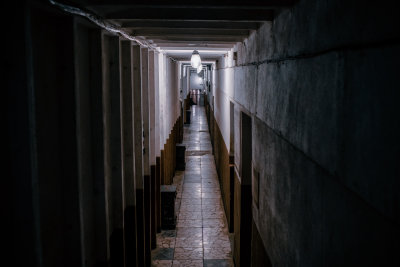
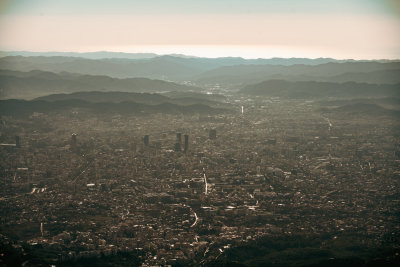
Albania's capital pairs pastel-painted apartment blocks and a redesigned central square with a run of Cold War-era sites — two converted bunkers, a repurposed dictator's monument, and a mosaic-covered cathedral — that trace the country's abrupt turn from isolation to the present day.
April-May or September-October, when temperatures sit in the mild teens to low 20s Celsius; summer regularly passes 30°C and winter turns grey and rainy rather than snowy at this elevation.
Byrek (a flaky savory pie of spinach, gjizë cheese, or wild greens) from a neighborhood bakery, tavë kosi (baked lamb and yogurt) for a sit-down meal, and a shot of raki — grape, plum, or mulberry brandy — to close it out.
The Blloku district, the former Communist-era elite quarter, now the city's densest concentration of cafes and nightlife within walking distance of Skanderbeg Square.
Bunk'Art 1 and 2 are unrelated sites roughly 5 kilometers apart, each worth an hour or more — pick one if you only have half a day rather than rushing both.
Read more in Albania: mosaic domes, alpine valleys & Ottoman old towns.