Photographing Madrid
Madrid is Spain's high, sunlit capital of grand plazas and world-class art, a city built for late nights, where dinner starts at nine and the tapas bars stay loud past midnight.
Where to shoot
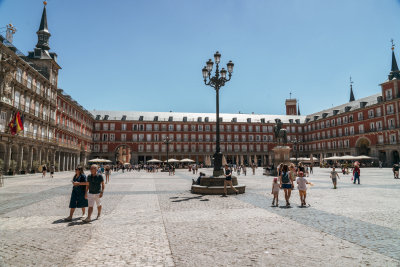
- Plaza Mayor — a grand 17th-century arcaded square, at its most atmospheric in the evening under its wrought-iron lamps.
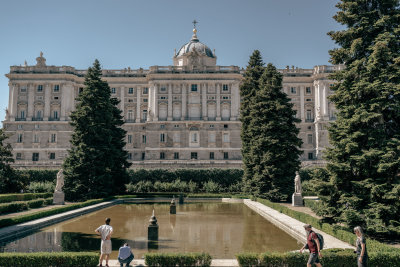
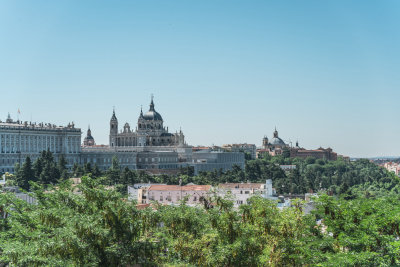
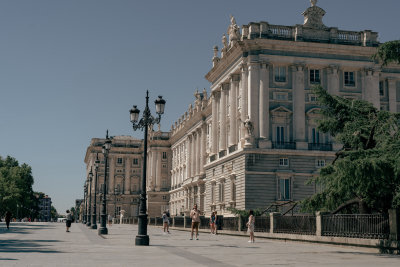
- Royal Palace of Madrid — Europe's largest royal palace by floor area, its facade and gardens best viewed from the Sabatini Gardens or Campo del Moro.
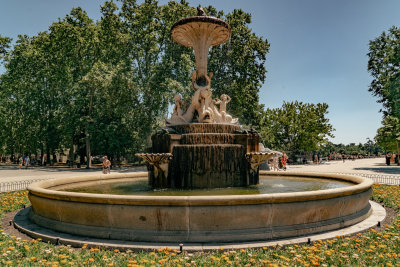
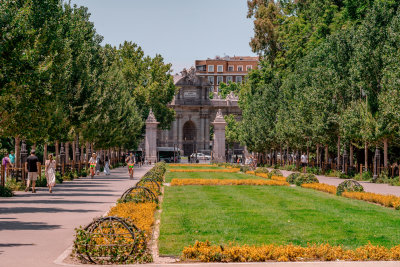
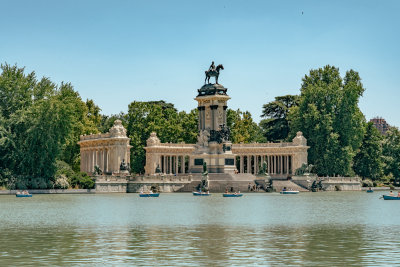
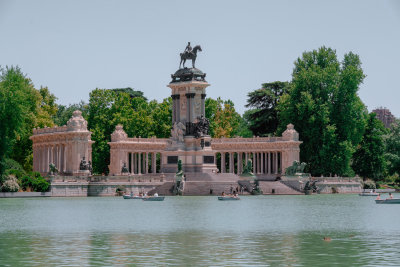
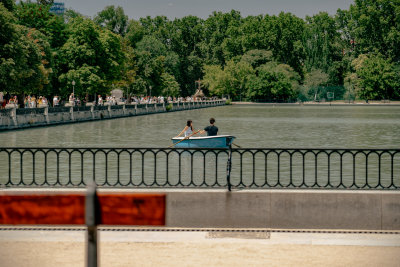
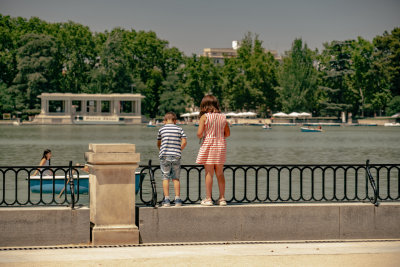
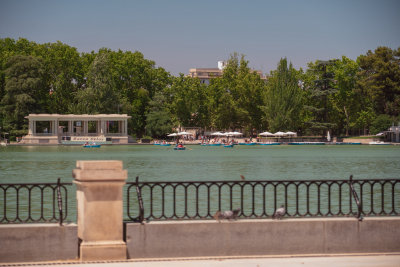
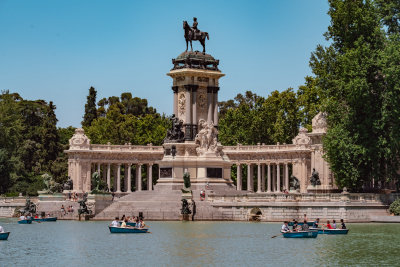
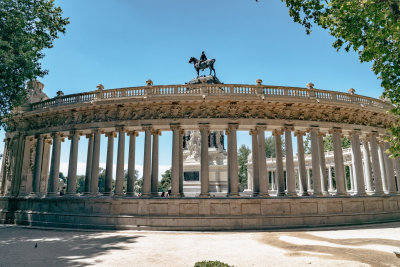
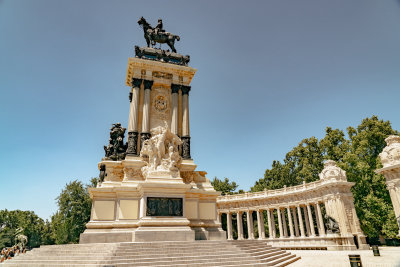
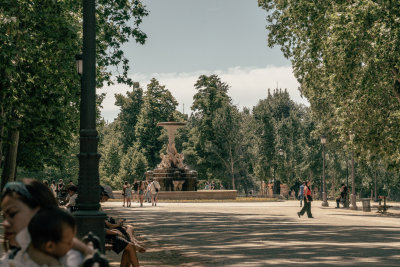
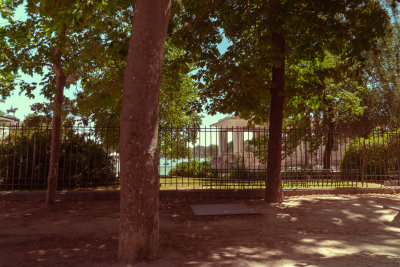
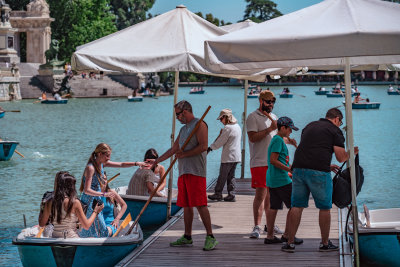
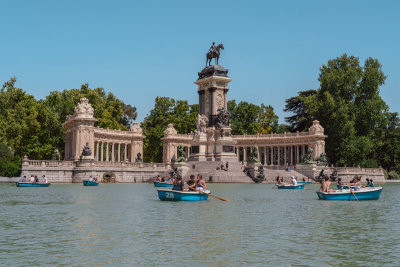
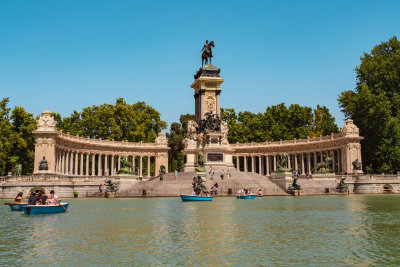
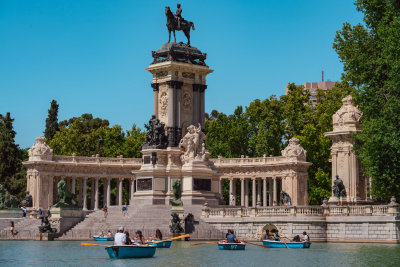
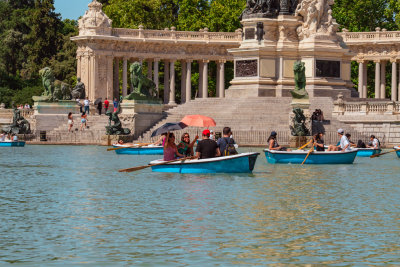
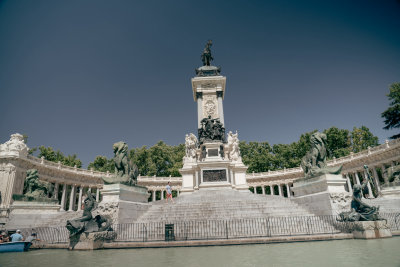
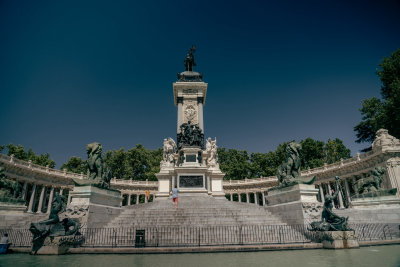
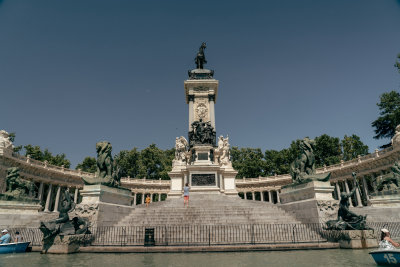
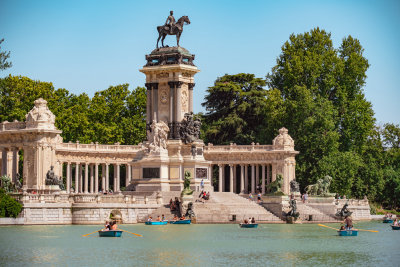
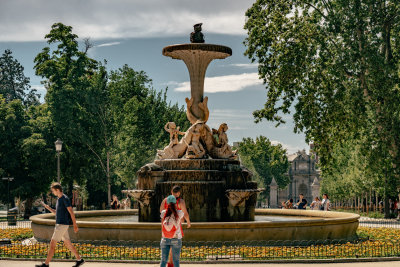
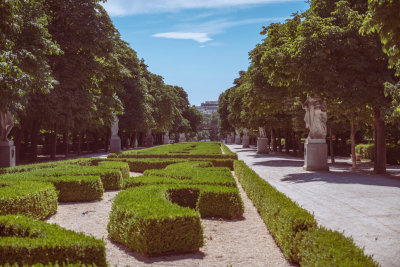
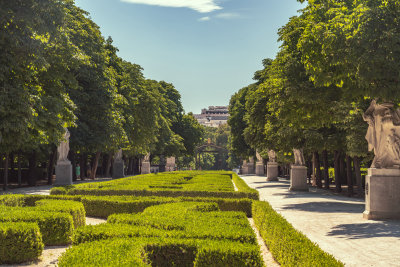
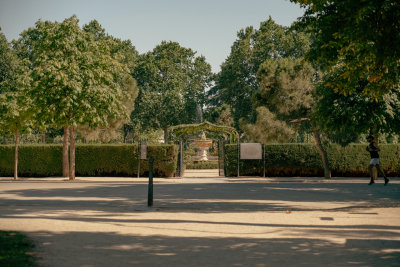
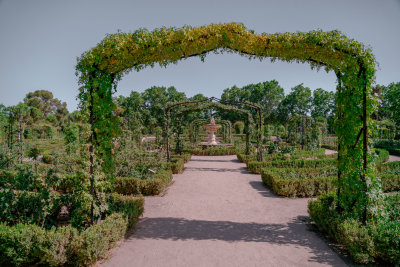
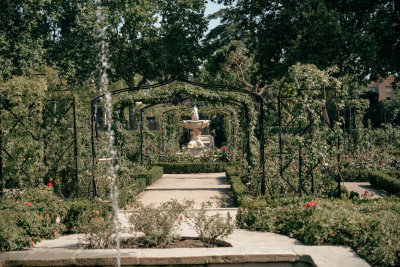
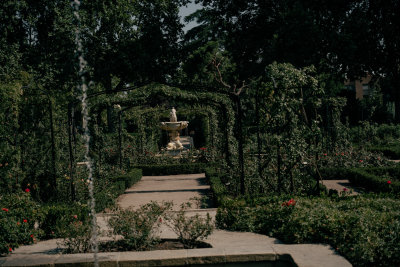
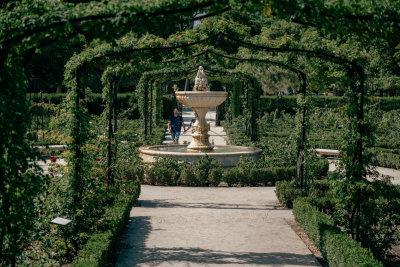
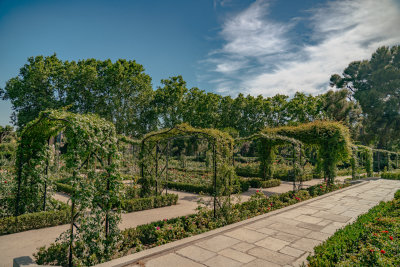
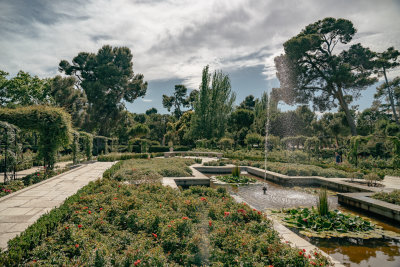
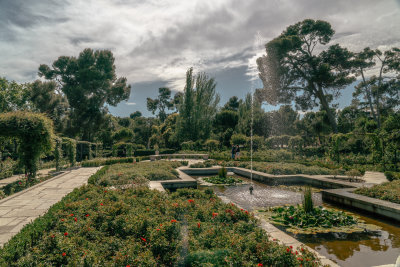
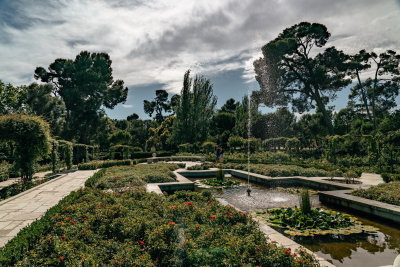
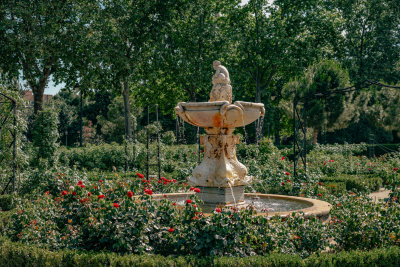
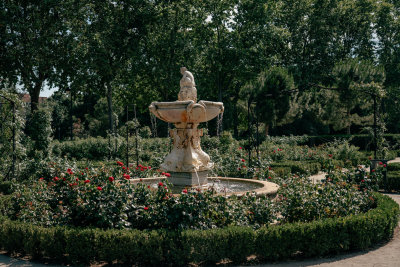
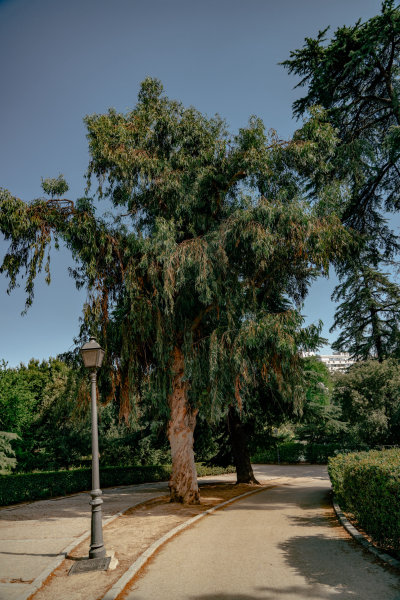
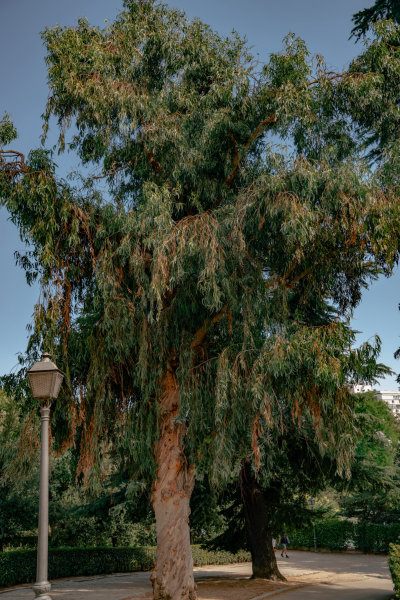
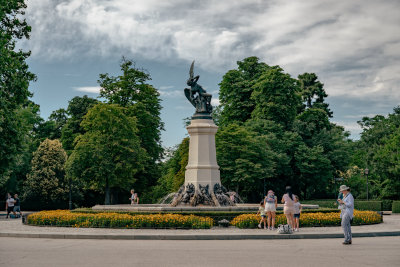
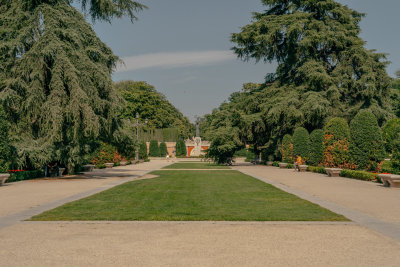
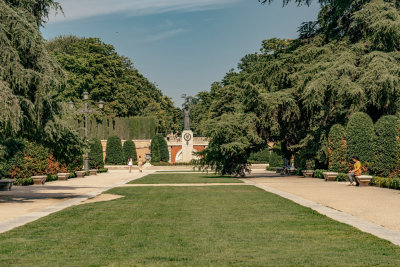
- Retiro Park — a sprawling 19th-century park centered on a boating lake and a glass-walled Crystal Palace, golden in late-afternoon light.
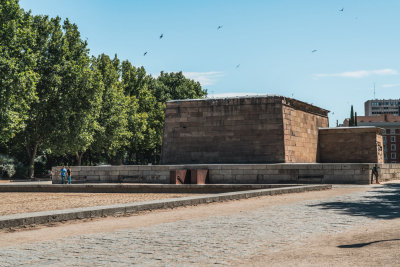
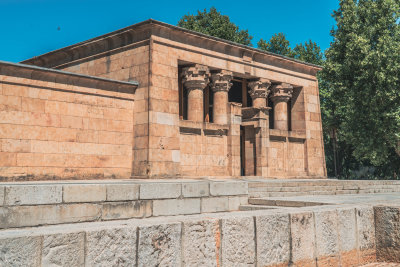
- Templo de Debod — an authentic 2,200-year-old Egyptian temple gifted to Spain and reassembled on high ground, famous for its sunset reflections.
- Plaza Mayor — a grand arcaded 17th-century square, warm under its lamps in the evening.
- Royal Palace of Madrid — a vast baroque palace whose facade and gardens are best seen from the Sabatini and Campo del Moro grounds.
- Retiro Park — a large landscaped park with a glass palace and a boating lake, golden in late-afternoon light.
- Templo de Debod — a transplanted ancient Egyptian temple set on high ground, famous for its sunset reflections in the pool.
When to go
April to June or September to October for warm, comfortable weather and thinner crowds; Madrid's July and August heat is intense enough that many locals leave the city entirely.
What to eat
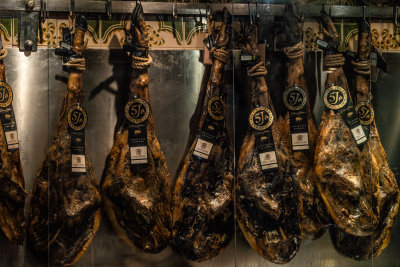
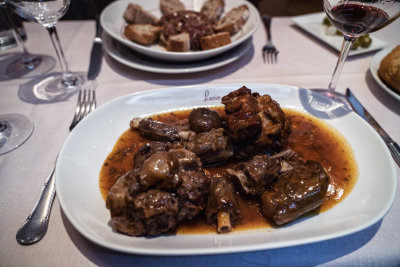
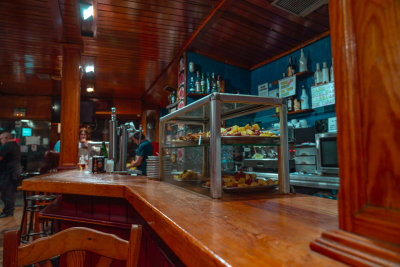
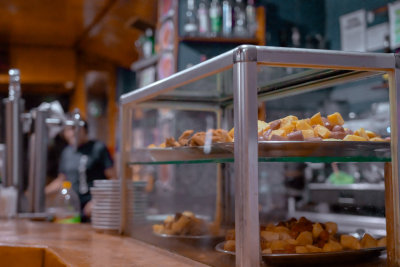
Tapas crawl through La Latina, cocido madrileno (a slow-simmered chickpea and meat stew), and a bocadillo de calamares (fried squid sandwich) eaten standing up near Plaza Mayor.
Where to stay
Sol, Malasana, and Las Letras are the walkable central neighborhoods putting the plazas, museums, and tapas bars within reach on foot.
Plan dinner no earlier than 9pm to match the local rhythm — arrive at a popular restaurant at 7pm and you may find it still closed for the evening.
Read more in Madrid Travel Guide: Plazas, Palaces & Late-Night Tapas and Spain: northern coasts, golden stone cities & Atlantic light.