 Attractions & day trips
By Clever Tourists · Published
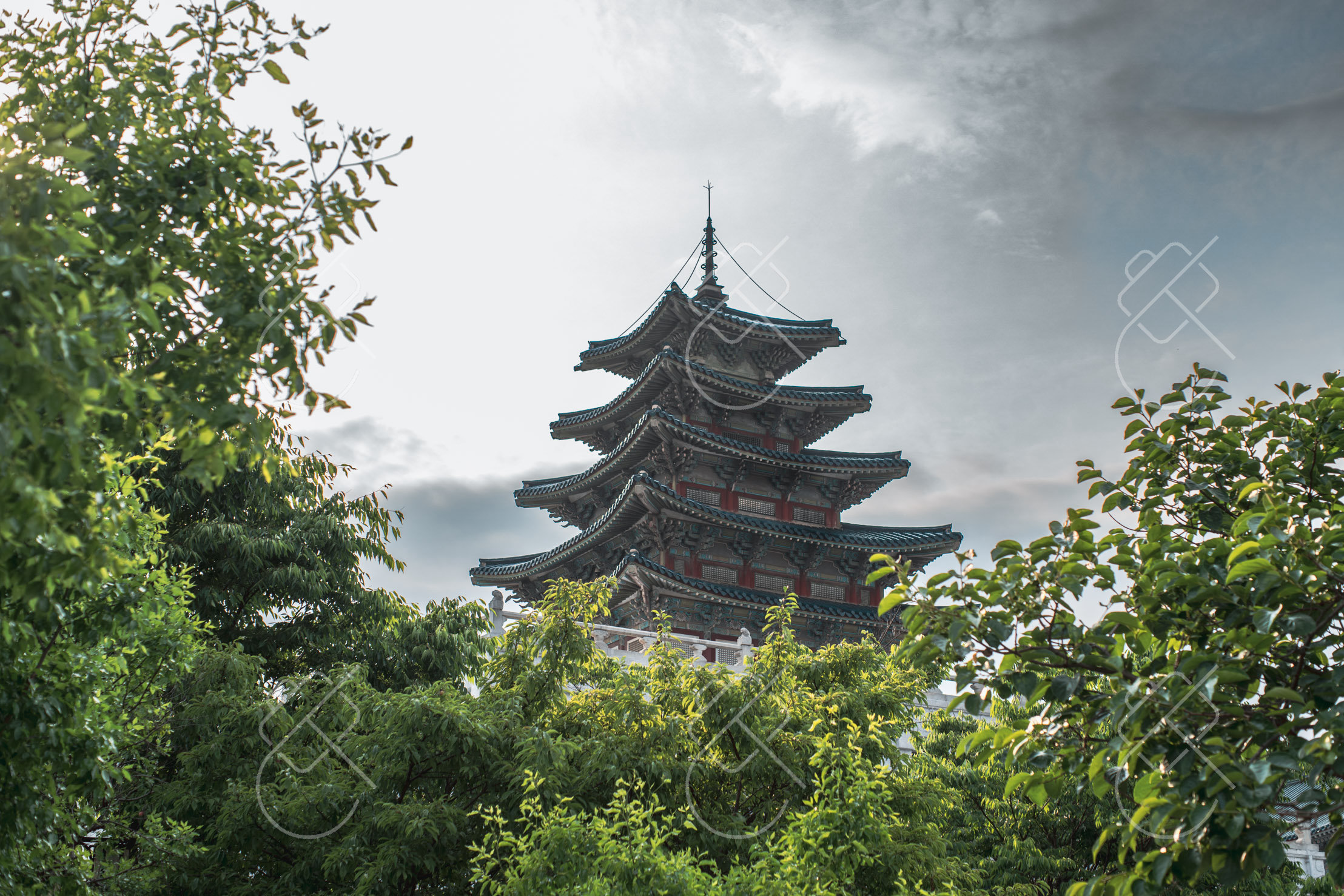
Gyeongbokgung, Seoul's largest palace, costs 3,000 won for adults, and anyone wearing a hanbok gets in free, foreigners included. Visitors 18 and under and 65 and over also enter free. The palace is closed on Tuesdays, opens at 9:00 year-round, and the Royal Guard Changing Ceremony runs at 10:00 and 14:00 outside the ticket gate, free to watch. If you are seeing several palaces, a 6,000-won combined pass covers all four main palaces and Jongmyo Shrine. Here are the hours by season, what counts as a hanbok for free entry, and how to time a visit.
Free toolConvert to your own currency at live rates →Live mid-market rates for all 17 currencies we used, so you can see what a price actually costs.Official fees from the Royal Palaces and Tombs Center:
• Adults (foreigners 19 to 64): 3,000 won.
• Groups of 10 or more: 2,400 won each.
• Free: foreign visitors 18 and under and 65 and over (bring your passport), and anyone wearing a hanbok. Korean nationals 24 and under also go free, but that one is for citizens only.
Gyeongbokgung is excluded from the Wednesday "Culture Day" free entry that applies at some other heritage sites. The palace has had occasional free-admission holidays, such as the Chuseok holiday in September 2026, which are posted on the official site.
Fee rise on hold: in 2026 the Korea Heritage Service floated the first palace fee rise since 2005, originally planned to take effect on 1 January 2027, with figures like 5,000 won discussed. At the 8 October 2026 parliamentary audit, the timing was listed as undecided, and the agency said it would also review free entry for hanbok wearers. Nothing has changed yet; check the official fee page close to your trip.
• January, February, November, December: 9:00 to 17:00 (last entry 16:00).
• March to May, September, October: 9:00 to 18:00 (last entry 17:00).
• June to August: 9:00 to 18:30 (last entry 17:30).
Gyeongbokgung's regular closing day is Tuesday. When a Tuesday falls on a public holiday the palace opens, and the closure moves to the next non-holiday day. Most other Seoul palaces close on Mondays instead, which is why a Tuesday is a good day for Changdeokgung or Deoksugung.
The palace also runs ticketed night openings, usually in spring and autumn. The autumn 2026 session ran 2 September to 2 October, 19:00 to 21:30, closed Mondays and Tuesdays, with tickets mostly sold online and a small number held back for foreign visitors at the Gwanghwamun ticket booth. Hanbok wearers can enter night openings free, but dates and booking rules change each season.
The Sumunjang (gatekeeper) changing ceremony runs twice a day at 10:00 and 14:00, lasting about 20 minutes, in the square in front of Heungnyemun, the second gate, just inside Gwanghwamun. This area is before the ticket gate, so it is free to watch. There is no ceremony on Tuesdays when the palace is closed, and it can be shortened or cancelled in heavy rain or extreme heat or cold.
Arrive 10 to 15 minutes early for a spot along the rope line, then go straight in afterwards. The 10:00 ceremony followed by the palace is the best way to see it before the tour groups thicken up around late morning.
The integrated palace pass costs 6,000 won and covers one entry each to Gyeongbokgung, Changdeokgung, Changgyeonggung, Deoksugung and Jongmyo Shrine. It does not include the Changdeokgung Secret Garden (Huwon) tour, which is booked separately. It is valid for 6 months from purchase and sold at the ticket offices of the palaces and Jongmyo.
At current prices (3,000 won each for Gyeongbokgung and Changdeokgung, 1,000 won each for the other three), the pass only pays for itself if you visit all five. If you plan to rent a hanbok, skip the pass: you get into every palace and Jongmyo free anyway.
Free entry for hanbok wearers started in 2013 and applies at all four main palaces, Jongmyo and the Joseon royal tombs. The guideline is that the outfit must suit the dignity of the palace and broadly follow the form of a hanbok. In practice that means:
• A jeogori (jacket) with the overlapping collar, worn with a chima (skirt) or traditional-cut baji (trousers). Both traditional and modern everyday hanbok count.
• Not accepted: hanbok pieces mixed with jeans or a T-shirt, a vest-style jeogori with no closure, a jeogori so short it exposes the chest, or a royal or scholar's robe worn on its own over regular clothes.
• Wearing the other gender's hanbok has been allowed since 2019.
Rental "fusion" hanbok with lace and heavy embroidery is generally let through, though Korean media have reported inconsistent calls at the gate. A standard rental from the shops around Gyeongbokgung Station and Anguk will be fine.
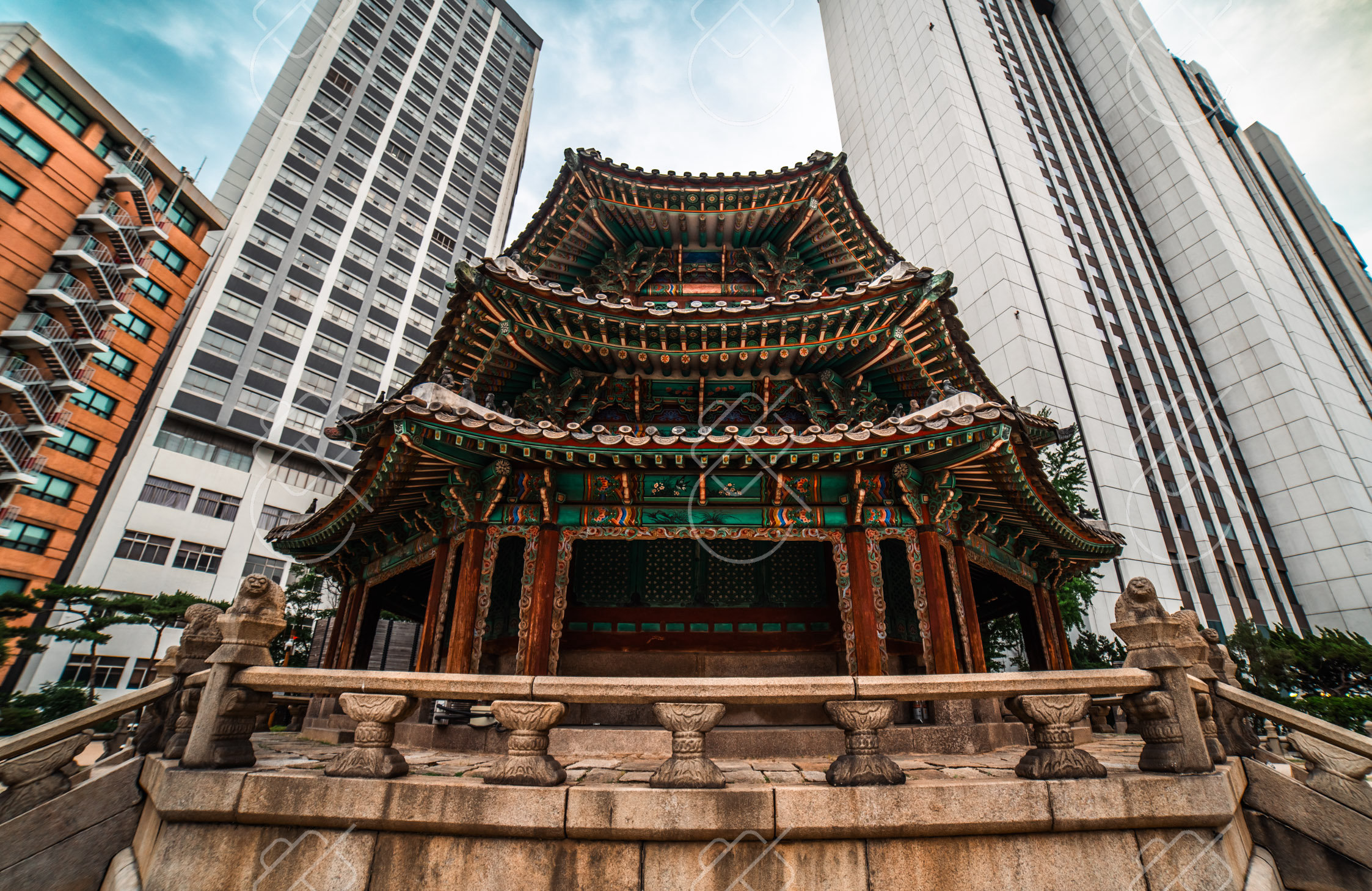
Rental shops cluster around Gyeongbokgung Station (Line 3), Anguk and Insadong. Advertised prices in 2026 ran from roughly 20,000 to 50,000 won, depending on the shop, the style and how many hours; hair styling and accessories cost extra. Book a slot online in spring and autumn weekends, when the best shops fill up.
• Rent for at least 3 to 4 hours. The grounds are big, and the walk from the shop, a full loop of the palace and photos at Gyeonghoeru Pavilion and Hyangwonjeong easily take 3 hours. Late returns are charged by the hour.
• Wear your own comfortable shoes. Most of the palace is gravel and uneven stone.
• Bring a small bag for your phone and passport; most hanbok have no pockets. Shops will keep your own clothes and luggage.
• Etiquette: stay off roped-off platforms and steps, don't block the main gate axis for long photo shoots, and keep tripods compact. Drones are not allowed over the palace.
Gyeongbokgung pairs well with Bukchon Hanok Village and Jogyesa Temple, both walkable. Our 3 days in Seoul itinerary builds it into a full day, and the temple and shrine dress code guide covers what to wear at Jogyesa afterwards.
Yes. Anyone wearing a hanbok enters free, foreigners included. The outfit should be a proper jeogori with a skirt or trousers, not hanbok pieces mixed with jeans or a robe worn on its own.
3,000 won for adults (foreigners aged 19 to 64), 2,400 won each in groups of 10 or more. Foreign visitors 18 and under and 65 and over enter free.
Tuesday. If a Tuesday is a public holiday the palace opens and the closure moves to the next non-holiday day.
10:00 and 14:00, about 20 minutes each, in front of Heungnyemun gate just inside Gwanghwamun. It is free to watch and doesn't run on Tuesdays.
Only if you visit all four palaces and Jongmyo. It costs 6,000 won, lasts 6 months and excludes the Secret Garden. If you wear a hanbok, all of them are free anyway.
A rise was proposed for 1 January 2027, but in October 2026 the Korea Heritage Service listed its timing as undecided. Current fees still apply; check the official site before you go.
Get our new Seoul guides and practical tips by email: where to stay, what to eat, what things cost and the rules that catch travelers out.
Free. No spam, only new guides and tips.
Entry rules change, and they depend on your nationality — always confirm the current requirements on the official government site before you book or apply. Only use official government (.gov) portals; ignore look-alike agency sites.
Search verified local fleets with low security deposits and exact model delivery on Localrent.
Compare Seoul hotels and get the best deals on Hotels.com.