 Transit & logistics
By Clever Tourists · Published
Tan Son Nhat Airport (SGN) is one of the closest big airports to a city centre in Asia: 7 to 8 km from District 1, so the choice is mostly about price and bags. Bus 109 costs about 15,000 to 20,000 dong, a metered Vinasun or Mai Linh taxi is roughly 170,000 to 280,000 dong, and Grab, Be or Xanh SM run about 150,000 to 250,000 dong. We spent 8 days in Ho Chi Minh City in May 2023 across two visits, and the airport was never the hard part; traffic was. Fares below come from a transport guide updated in October 2026 and Vietnam Airlines' own advice, and are approximate.
International arrivals use Terminal 2 (T2); domestic flights use T1 and T3. If you need an e-visa, apply ahead with our Vietnam e-visa guide. Anyone who approaches you inside the terminal offering a taxi or help with bags is working for commission or running a scam. Legitimate drivers wait outside.
Plan the first Grab before you land: load a local SIM or eSIM, and have the app ready. The pickup zone is not at the arrivals curb.
Bus 109 is the public bus most visitors use. It runs from outside the T2 arrivals exit, to the right, through Truong Son Street and past the War Remnants Museum area to the backpacker streets around Pham Ngu Lao and the Ben Thanh Market area. The fare is about 15,000 to 20,000 dong, paid in cash to the conductor; carry small notes. One large suitcase is generally accepted.
Buses run roughly every 15 to 30 minutes from around 05:30. The last departure is listed anywhere from 23:00 to 01:30 depending on the source, so confirm at the airport if you land late. Allow 45 to 60 minutes.
Bus 152 is cheaper (around 6,000 to 10,000 dong) but has more stops, runs only from around 05:00 to 18:00 and charges extra for large bags. Only use it in daylight with a small pack.
Take Vinasun (white with a red and green stripe) or Mai Linh (green) from the official rank outside arrivals. The fare to District 1 is roughly 170,000 to 280,000 dong on the meter, plus a gate fee of about 10,000 to 15,000 dong that usually appears on the receipt. Flag-fall is only about 11,000 to 12,000 dong, so a meter that jumps far above that before the car moves is a red flag.
Fake cars copy the colours of real companies. Check the spelling of the brand on the door and the number on the roof light. Prepaid taxi counters inside arrivals charge more (reports range around 250,000 to 400,000 dong) without a meter, so they are not the best deal. A night surcharge of 20 to 30 percent can apply between 23:00 and 05:00.
See our Vietnam tourist scams and tipping in Vietnam pages.
App rides cost about 150,000 to 250,000 dong to District 1 in normal traffic, and more at rush hour or in rain. Vietnam Airlines' own guide lists ride-hailing at roughly 130,000 to 170,000 dong, so check the app. Xanh SM, the electric taxi service, often offers a flat rate that stays lower when other services surge. GrabBike is about 90,000 to 140,000 dong but only suits a small bag.
App cars do not use the arrivals curb. At T2 the pickup zone is in the adjacent multi-storey car park, so follow the live marker and confirm the plate. District 2 (Thao Dien) usually adds 30,000 to 50,000 dong.
The distance is short, 20 to 25 minutes off-peak, but rush hour (around 07:00 to 09:00 and 16:30 to 19:30), rain or an accident can stretch it to 45 minutes or an hour. If you land during the evening peak, a taxi or Grab is the better trade than waiting for a crowded bus.
Taxis operate 24 hours from official ranks. Hotel pickups run about 300,000 to 500,000 dong and make sense for a late arrival when you do not want to look for a rank.

Withdraw dong from an airport ATM before boarding the bus or paying a taxi; small notes matter on bus 109, where conductors rarely have change for large bills. Keep the receipt from any taxi, because it shows the plate, the company and the gate fee, which helps if there is a dispute later.
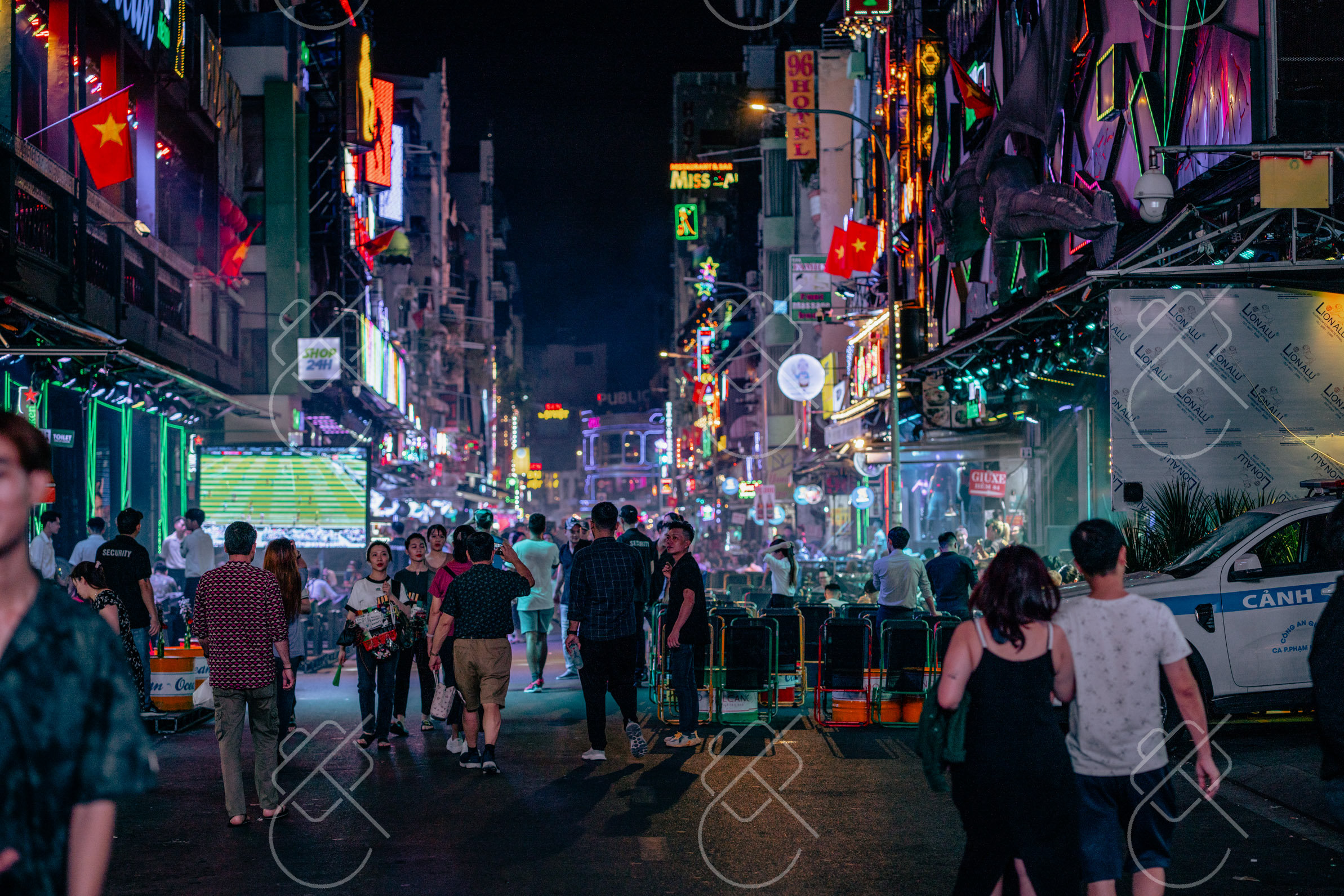
If you are heading straight out of the city to the Mekong Delta, the transfer can be shorter than you think: see Ho Chi Minh City to Can Tho by bus. For a first night in District 1, Pham Ngu Lao and Bui Vien are walking distance from the end of the bus 109 route, but loud late into the night; how many days in Ho Chi Minh City helps decide where to base yourself.
Cheapest: bus 109. Easiest with bags: Xanh SM, Grab or Be. Prefer a street taxi: Vinasun or Mai Linh from the official rank only. After midnight: taxi or app.
For the first days, see how many days in Ho Chi Minh City, the best time to visit Ho Chi Minh City and day trips from Ho Chi Minh City. Our Vietnam 4-week route shows how it fits into a north to south trip.
About 15,000 to 20,000 dong, paid in cash on board. It goes to Pham Ngu Lao near Ben Thanh Market and takes roughly 45 to 60 minutes.
Roughly 170,000 to 280,000 dong on the meter with Vinasun or Mai Linh, plus a small gate fee. Prepaid counter taxis cost more.
About 7 to 8 km to District 1, which takes 20 to 25 minutes off-peak and up to an hour in heavy traffic.
App cars do not use the arrivals curb. At Terminal 2 the pickup zone is in the adjacent multi-storey car park; follow the live marker in the app.
No metro serves the airport. Use bus 109, a taxi or a ride-hailing app.
Get our new Vietnam guides and practical tips by email: where to stay, what to eat, what things cost and the rules that catch travelers out.
Free. No spam, only new guides and tips.
Search verified local fleets with low security deposits and exact model delivery on Localrent.
Find the best deals on Vietnam accommodation with Booking.com.