 Safety & Practicalities
By Clever Tourists · Published
Most tourist scams in Vietnam fall into four groups: transport (rigged taxi meters, fake ride-app drivers, free hotel transfers), street sales (fruit-pole photos, overpriced cyclo rides), money (street changers, miscounted notes) and theft (bag snatching from passing motorbikes, passports held as deposits). None of this is dangerous in the way violent crime is, and the country is rated safe overall in our Vietnam safety guide. But the same handful of tricks work on first-time visitors every week, mostly in Hanoi's Old Quarter and Ho Chi Minh City's District 1. We moved through the country from north to south in April and May 2023, with about three days in Hanoi from 20 April and a week in and around Ho Chi Minh City in mid-May. This page covers what each scam looks like, where it happens and what to do. The first-hand part is the route; the scam descriptions come from official advice and widely repeated traveler reports, and prices change, so treat any amount as a guide to scale rather than a tariff.
The UK Foreign Office (FCDO) travel advice for Vietnam is the most useful official source, because it names the problems visitors really report. In its safety and security section it says violent crime against foreigners is rare, but petty theft and pickpocketing occur regularly, and bag-snatching by motorcycle thieves is common. It says petty crime typically rises around Christmas and the Tet Lunar New Year (see our Tet 2027 guide).
On scams it names three things. Be cautious about free bus transfers to hotels offered on arrival unless you arranged them in advance. Be wary of scammers who claim to be from ride-hailing companies, and book the full journey through the app. Only change money at official counters, because changing money elsewhere is illegal. Those three cover most of the damage done to tourists.

Rigged meters. The classic is a taxi with a meter that runs many times faster than a legitimate one, or a driver who 'takes a shortcut' that doubles the distance. Look-alike taxis painted in the colors of well-known firms are the usual vehicle. The FCDO says metered taxis from the larger firms are generally reliable and recommends pre-arranged transport or official taxi apps such as Grab or XanhSM, which supply licensed cabs.
Fake app drivers. People at the airport curb or outside a hotel say they are from Grab and offer a 'cheaper' ride that does not go through the app. The FCDO wording is to always book the full journey through the app. Open the app, request the ride yourself, and match the plate and driver photo before getting in. If a driver asks you to cancel in the app and pay cash, decline.
Free hotel transfers. A shuttle that appears on arrival and says it is free, or cheap, to your hotel can end in a stop at a travel agency, a tour sales pitch or a demand for money. Only use a transfer your hotel or booking arranged. Our airport pages for Hanoi and Ho Chi Minh City cover the legitimate options. If a driver says your hotel is closed or full, ring the hotel yourself rather than letting him take you elsewhere.
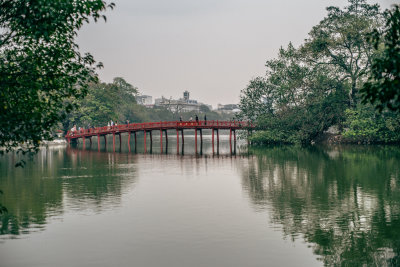
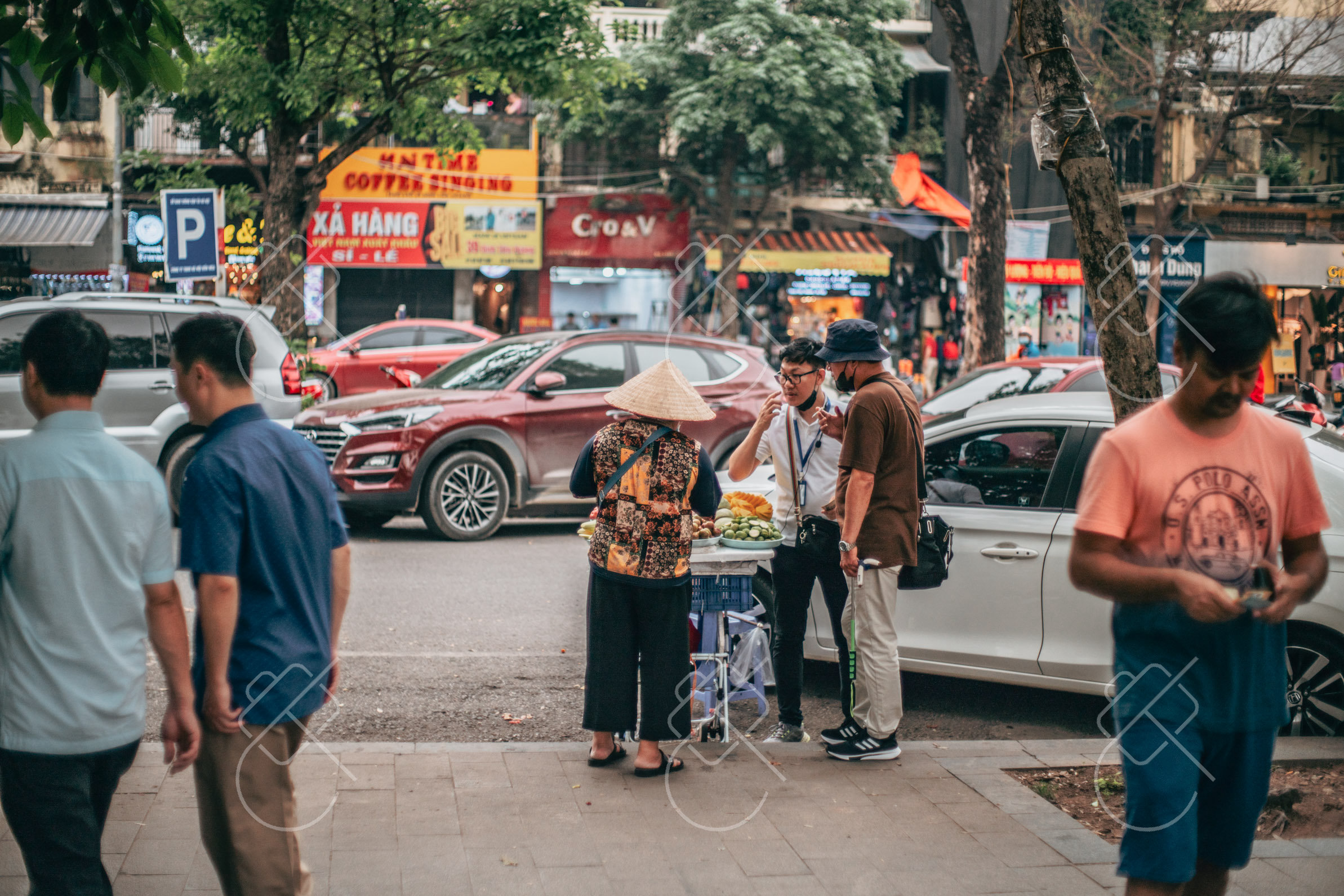
The shoulder-pole photo. In Hanoi's Old Quarter and around Hoan Kiem Lake, a vendor may place a pole of fruit on your shoulder, or hand you a conical hat, and take a photo with your phone. Then comes a demand for payment, and often a bag of fruit at several times the market price. Politely give the pole back before the photo, say no and keep walking.
Cyclo rides. Agree the price in writing or on your phone's calculator, and confirm the currency and the total for all passengers, not per person. Reports describe drivers quoting a number that sounds like 100,000 dong and then claiming it was in a different amount, and stopping at shops on the way. If you want a cyclo, set the route and time before you sit down.
Menus without prices. A food stall or restaurant with no printed prices, or one that brings extra dishes you did not order, will often add them to the bill. Ask for the price before ordering, check the bill line by line, and compare it with the menu on the wall. If you are charged per kilogram for seafood, watch it being weighed. Our tipping guide for Vietnam explains what is and is not expected on top, and cash or card in Vietnam covers which places take cards.
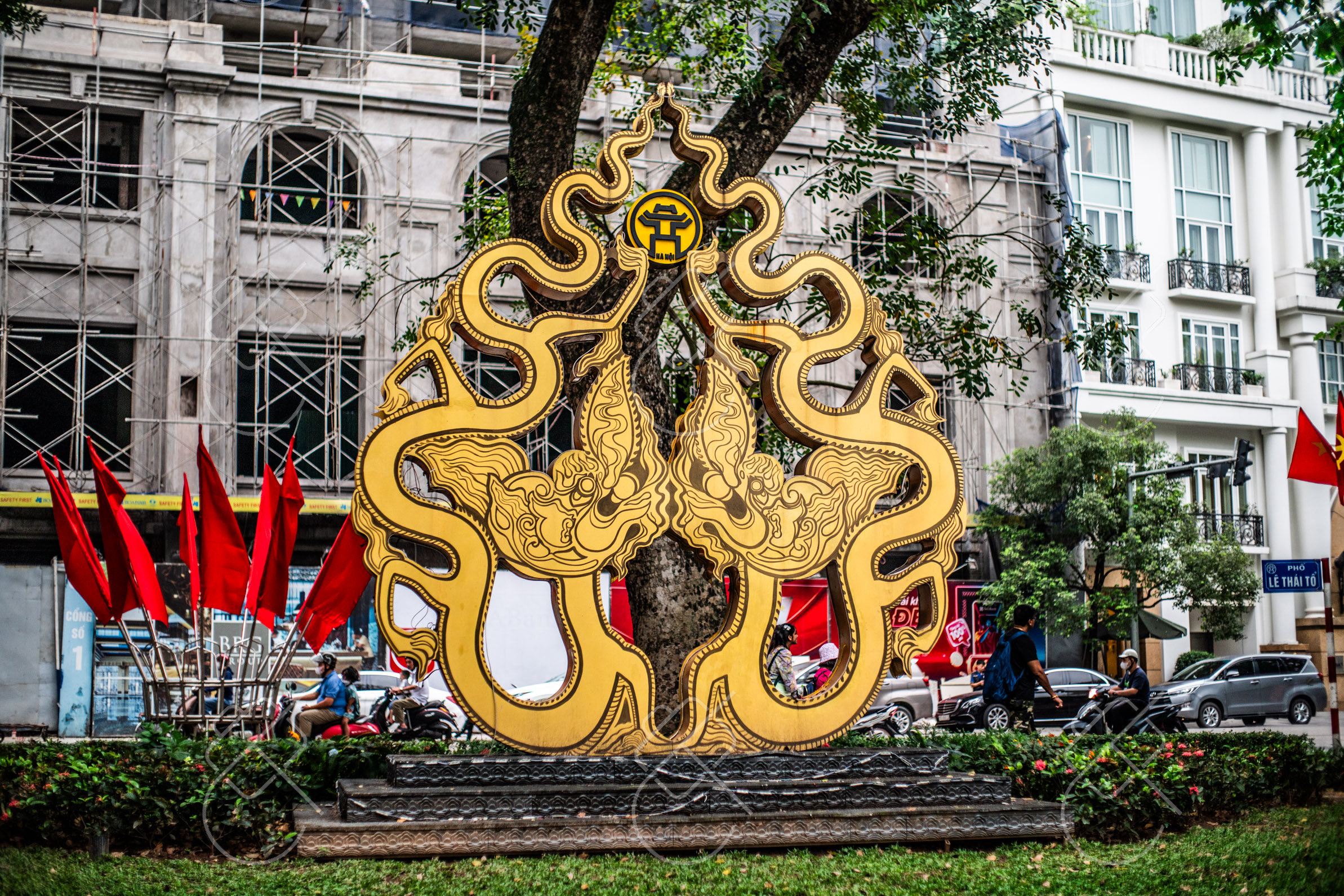
The FCDO says to change money only at official counters, because changing money elsewhere is illegal in Vietnam. In practice, street changers and some gold shops in the Old Quarter are where short-changing happens: the count is fast, a note goes missing, or the rate quoted is not the rate paid. Count the notes slowly in front of the counter and confirm the total in dong before handing yours over.
Vietnamese notes include several with similar colors and many zeros, so a 20,000 and a 500,000 note are easy to confuse in the dark. Learn the denominations before you pay in a taxi at night. The simplest approach is to take cash from a bank ATM and keep small notes for transport and street food. Our cash or card guide goes through the ATM routine.
Bag and phone snatching from passing motorbikes is the theft visitors most often report, so hold your bag on the side away from the road and do not stand at the curb with a phone in your hand. This is the FCDO advice for bags. In Ho Chi Minh City it is most associated with District 1, and in Hanoi with the Old Quarter and the streets near Hoan Kiem Lake.
Overnight transport. The FCDO notes a risk of petty theft on buses and trains, especially on overnight trains while you sleep. Keep your passport, phone and cards on you rather than in the luggage rack. The details of the sleeper berths are in our Vietnam train guide.
Passports as deposits. The FCDO says not to leave your passport with anyone as a guarantee, for example a motorbike rental shop or a landlord. A shop that holds it can claim damage and demand money. Offer a deposit in cash or a copy of the photo page instead, and walk away from anyone who refuses. This is also the most common route into a motorbike damage dispute: photograph the bike from all sides before you ride it.
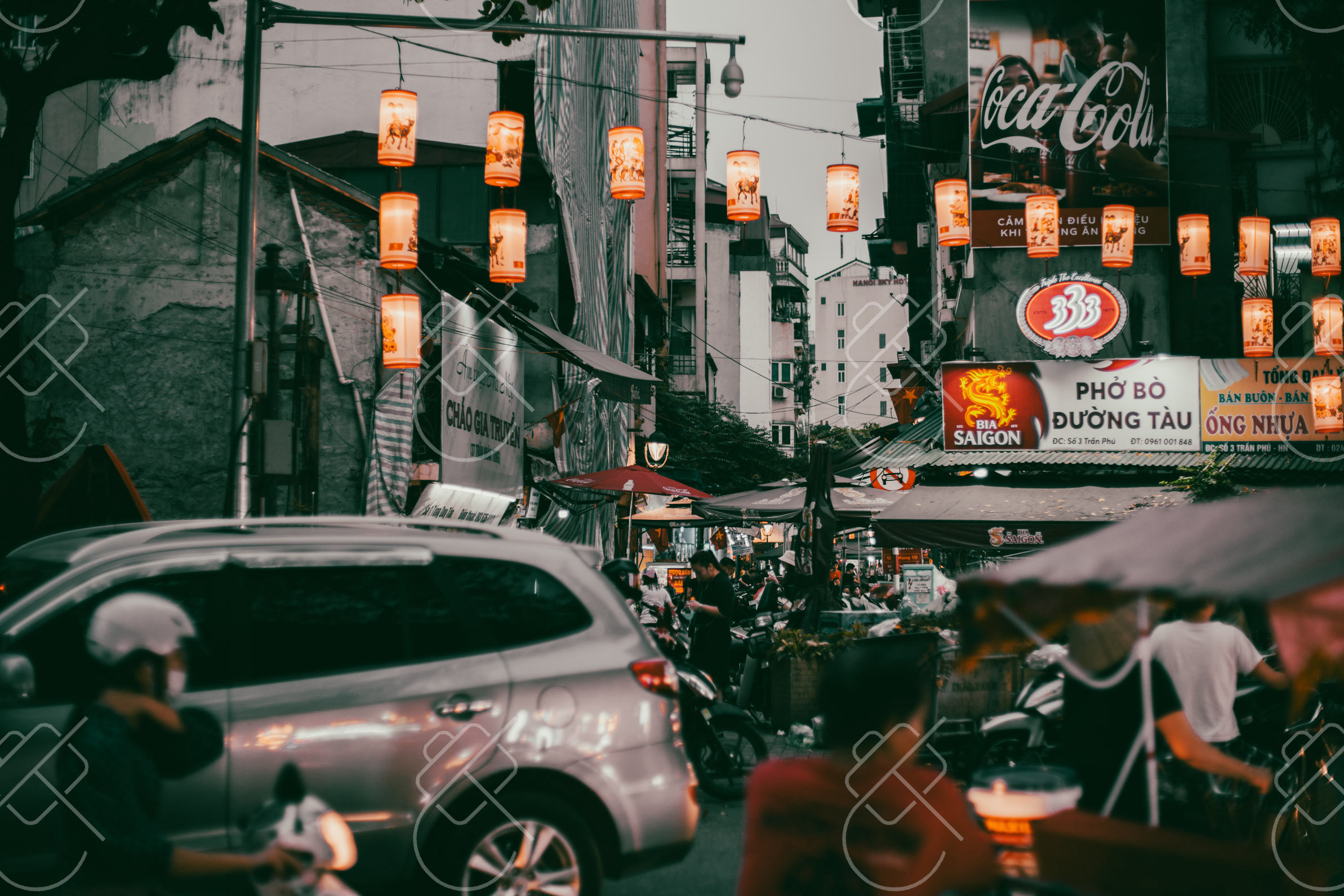
Nightlife scams are less about money than safety. The FCDO says alcoholic drinks containing methanol have caused deaths and serious illness in Vietnam, including drinks bought in licensed venues in tourist areas, and that methanol cannot be detected by taste or smell. It also records reports of drink spiking and sexual assault, often linked to unlicensed taxi drivers. Buy your own drinks, keep them in sight, be wary of accepting snacks, drinks or gum from strangers, and prefer sealed bottles of known brands over free-poured spirits or buckets. Use Grab or XanhSM to get home.
A stranger who befriends you and invites you to a bar, a 'tea ceremony' or an 'art gallery' is a standard setup for an inflated bill. You can say no, and you can pick the venue yourself.
Emergency numbers in Vietnam are 113 for police, 114 for fire and 115 for an ambulance (see our safety guide). Operators often speak only Vietnamese, so ask your hotel to call or to write the complaint for you. For a theft claim you need a police report. For a taxi or restaurant dispute, take a photo of the meter, receipt, plate and the venue name, and ask the hotel front desk to phone the company. Do not hand over more cash to a driver in a stand-off on an empty road; stay in a lit place and ask someone to ring the hotel.
If you can, pay by card in the shop or use the app's in-ride records, which makes a later dispute easier. Report fraud to your card issuer straight away. Travel insurance usually requires a police report within a short window, so get it before you leave the city. See our travel insurance guide and keep a photo of your passport and visa separate from the originals.
Transport scams: rigged taxi meters, fake ride-app drivers and free hotel transfers that end somewhere else. The UK Foreign Office advises booking the whole journey through Grab or XanhSM and being cautious about free hotel transfers.
Yes. The UK Foreign Office says changing money anywhere other than an official counter is illegal, and street changers are where short-changing happens.
No. The FCDO says not to leave your passport with anyone as a guarantee. Offer a cash deposit or a copy of the photo page, and photograph the bike before riding.
113 for police, 114 for fire and 115 for an ambulance. Operators usually speak only Vietnamese, so ask your hotel to help.
Yes. The FCDO reports deaths from methanol in drinks, including from licensed venues in tourist areas. Stick to sealed bottles of known brands and keep drinks in sight.
Get our new Vietnam guides and practical tips by email: where to stay, what to eat, what things cost and the rules that catch travelers out.
Free. No spam, only new guides and tips.
Search verified local fleets with low security deposits and exact model delivery on Localrent.
Get the best deals on a stay in Vietnam — compare on Booking.com.