 Culture & etiquette
By Clever Tourists · Published
Japan is one of the most welcoming, polite, and hospitable countries on earth. While Japanese locals are remarkably forgiving of foreign visitors (gaijin) unfamiliar with intricate customs, showing awareness of everyday cultural etiquette demonstrates deep respect and earns warm smiles from shopkeepers and ryokan hosts alike. Here are the 10 most common cultural missteps tourists make—and how to navigate them effortlessly.
In Japanese Buddhist funeral rituals, incense is placed upright in bowls of ash, and deceased bones are passed between family members using large chopsticks. Mimicking these rituals at a dining table is a grave taboo:
• Never stick chopsticks vertically into rice (Tsukitate-bashi): Always rest them horizontally on the ceramic chopstick rest (hashioki) or across the edge of your small dish.
• Never pass food chopstick-to-chopstick (Hashi-watashi): If you are sharing a dish, pick up the food and place it gently onto the other person's plate.
• Never point with chopsticks or use them to pull bowls toward you across the table.
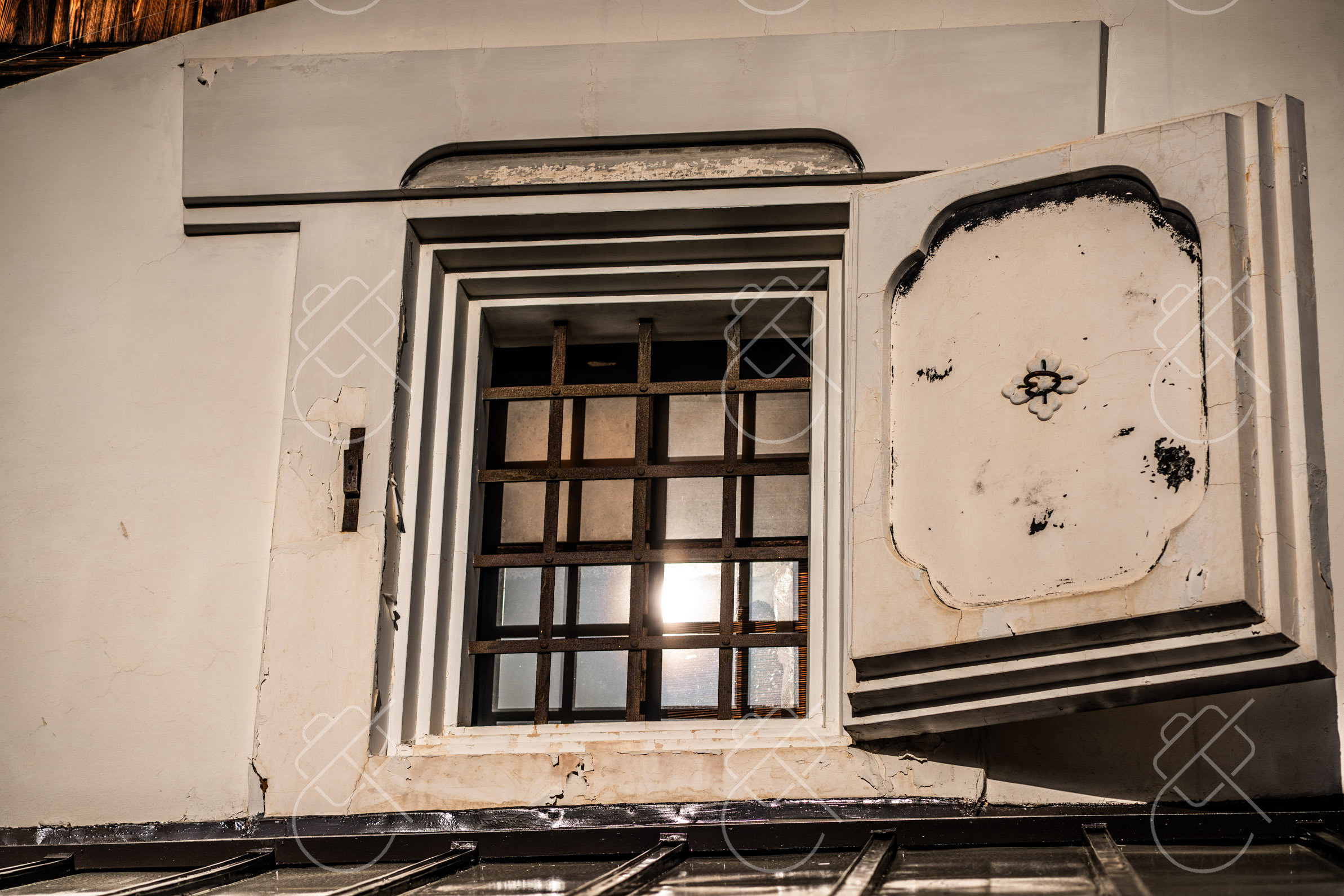
Whenever you enter a Japanese home, traditional ryokan inn, temple hall, or certain izakaya restaurants, you will encounter an entryway step called a genkan.
Step out of your outdoor footwear at the lower level, step up onto the elevated wooden floor in your socks, and spin your shoes around so the toes face back toward the door you entered. Never let your bare feet touch the lower floor before stepping onto the tatami mats. When visiting the restroom, switch into the provided bathroom slippers, and remember to swap back when exiting!
Japanese commuter trains and subway cars are sanctuaries of quiet. As soon as you board:
• Set your smartphone to 'Manner Mode' (silent mode) with vibrations muted.
• Never answer or make phone calls while on the train; if your phone rings, reject it immediately or decline with a quick text.
• Keep conversations with travel partners to hushed whispers, and wear headphones with no sound leakage.
• Remove bulky backpacks and carry them in your hands or place them on the overhead metal luggage racks to free up aisle space.
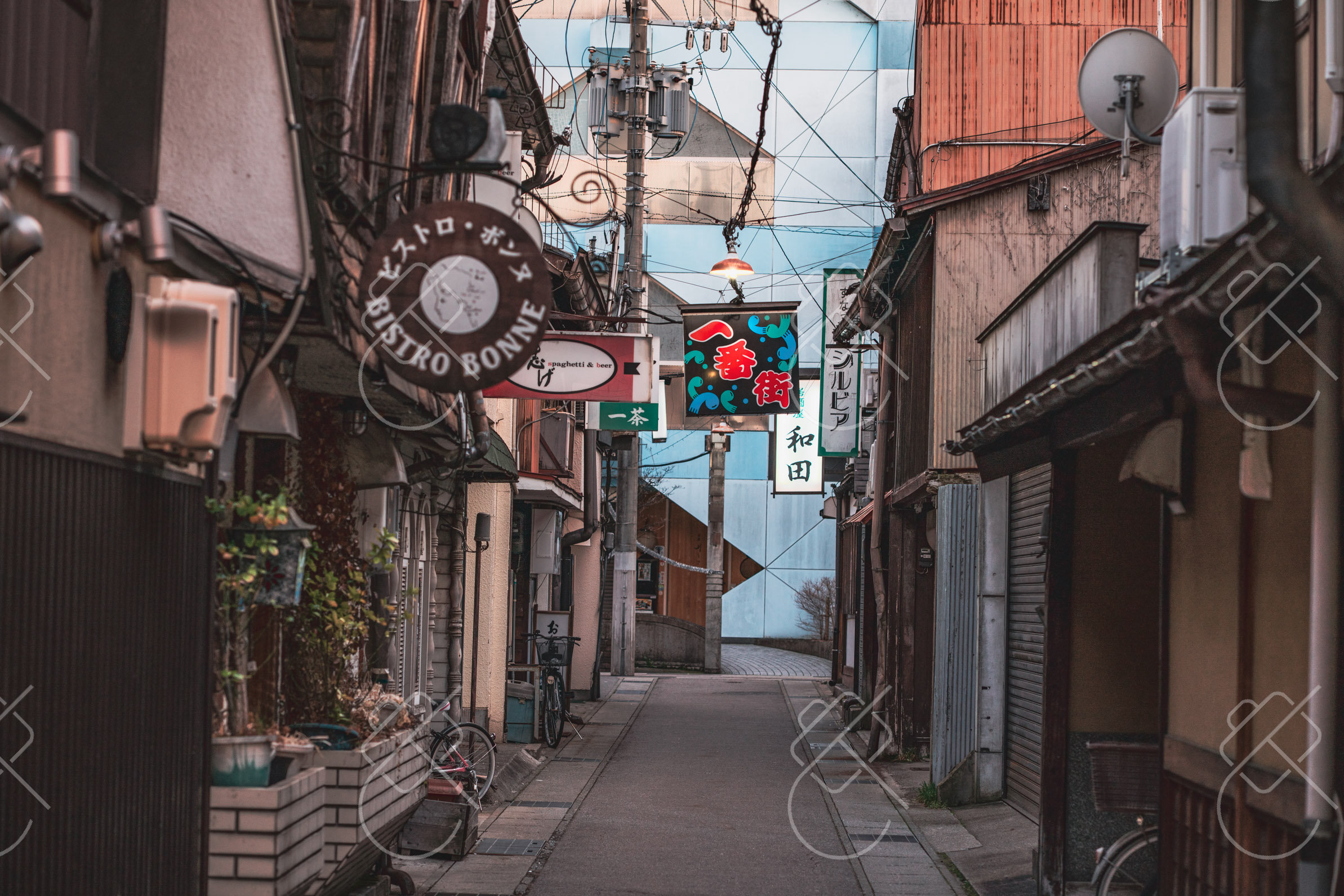
Public trash cans are almost non-existent in Japanese cities, a legacy of urban planning following the 1995 subway attacks. Locals carry their trash with them in a small plastic bag inside their daypack until returning home or to their hotel room. Where the few bins are and how to read the sorting labels is in our guide to throwing away trash in Japan.
The only public bins you will spot on the street are located beside beverage vending machines—these bins are exclusively for aluminum cans and plastic PET bottles. Never jam bento boxes or coffee cups into these circular slots. Pair these rules with our Japanese Onsen Etiquette Guide and Kyoto Temple Etiquette Guide.
Yes, blowing your nose loudly in public or at a dining table is viewed as unhygienic. Excuse yourself to a restroom or sniffle quietly until you can use a tissue privately.
A gentle 15-degree nod or bow of the head is the standard polite greeting when entering shops, thanking servers, or receiving change. Foreigners do not need to perform deep formal bows.
No, always place your cash, coins, or credit card onto the small plastic or metal change tray (tsurisen-torei) on the counter rather than handing it hand-to-hand.
Never. Tatami mats are made of delicate woven rush grass and must only be walked on in socks or bare feet—never in outdoor shoes or even indoor slippers.
Get our new Japan guides and practical tips by email: where to stay, what to eat, what things cost and the rules that catch travelers out.
Free. No spam, only new guides and tips.
Get the best deals on a hotel in Japan before you book elsewhere — Booking.com.