 Culture & etiquette
By Clever Tourists · Published
Kyoto is one of the most photographed cities on earth, but camera rules across its temples, shrines, and historic geisha districts have tightened significantly in recent years. While outdoor shrine grounds like Fushimi Inari allow photography almost everywhere, indoor worship halls, sacred Buddha statues, Zen rock gardens, and private residential alleys have strict bans backed by active staff and steep fines.
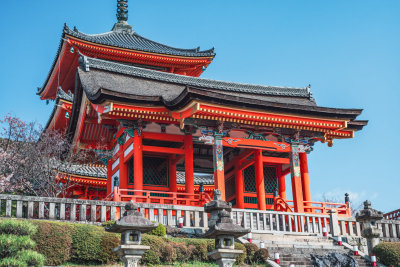
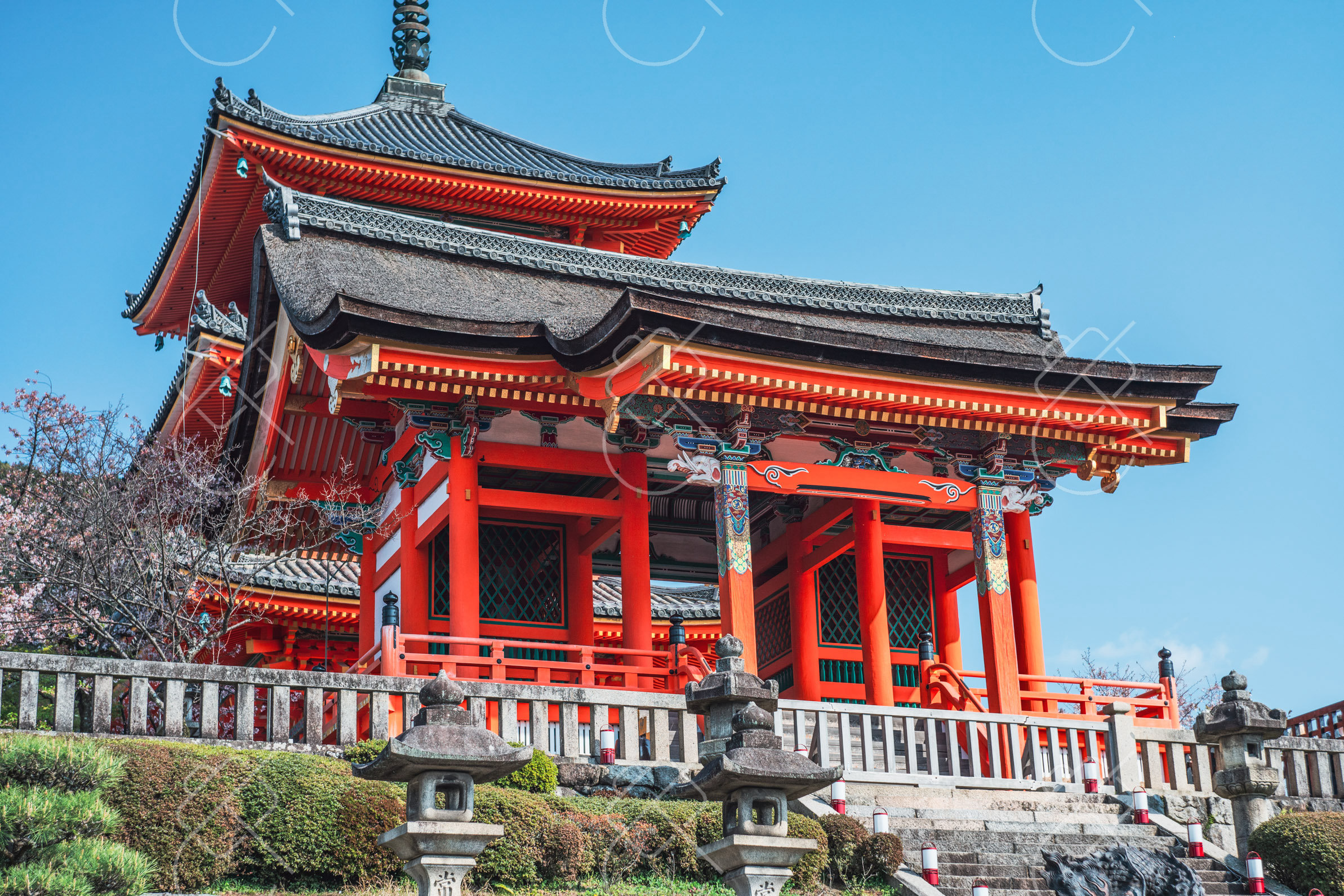
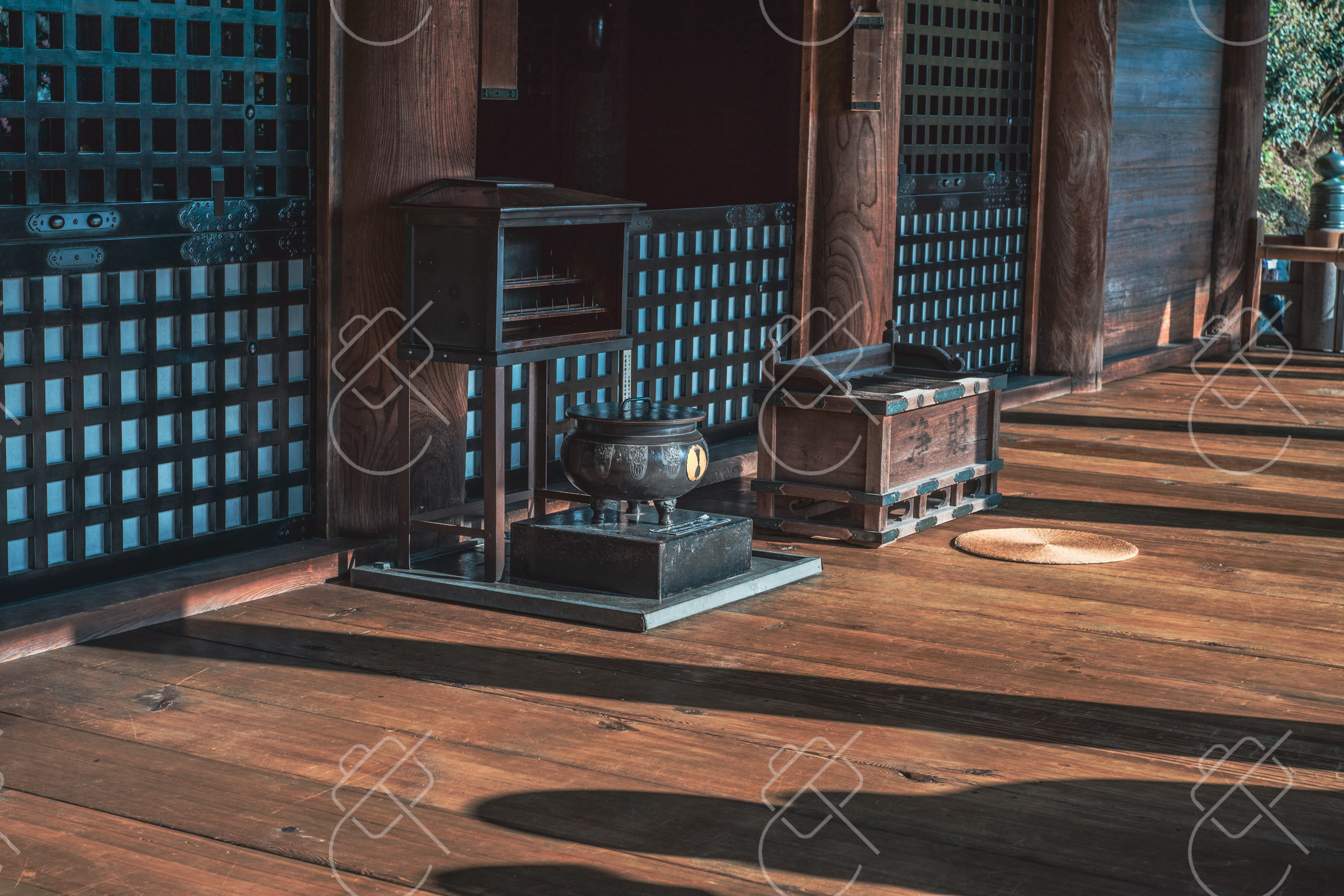
The core rule across Japanese Buddhist temples is straightforward: photography is strictly forbidden inside the main worship halls (hondo), in front of sacred altars, and pointed at consecrated Buddhist statues. Iconic spaces like Sanjusangendo's hall of 1,001 Kannon statues, the inner sanctuary of Kiyomizu-dera, and the treasure halls of Daigo-ji maintain absolute photo and video prohibitions marked by red-slash camera icons.
These bans protect sacred art from light damage, respect active worshippers, and prevent bottlenecks on narrow wooden boardwalks. Remember that shoes come off before stepping onto tatami mats or temple verandas — pair these interior courtesies with our guide to What Is the Dress Code at Temples and Shrines in Japan and South Korea? and confirm your entry paperwork in Do I Need a Visa to Visit Japan?.
In the historic geisha district of Gion (specifically South Gion), persistent tourist harassment of geiko and maiko led the local neighborhood association to ban photography entirely on private streets (shido). Clear signs throughout the district warn that taking photos in private alleys carries a ¥10,000 (≈ $63) fine (approximately $65–$70 USD).
Photography remains legal on public thoroughfares like Hanamikoji-dori and Shijo-dori, but pursuing, surrounding, or touching working geiko and maiko is considered unacceptable. If you want to experience historic timber facades and preserved geisha tea houses without tourist gridlock, explore our Kanazawa Travel Guide: Kenroku-en, Samurai Quarters & Geisha Tea Houses for a rewarding alternative.
Tripods (san-kyaku), monopods, and selfie sticks are banned at almost every major temple and shrine in Kyoto, including Kinkaku-ji (Golden Pavilion), Ryoan-ji, and Tenryu-ji. Handheld photography without flash is welcomed on outdoor paths and temple garden perimeters.
At Zen dry landscape rock gardens (karesansui), silence is expected. Sitting quietly along the wooden temple veranda (engawa) to contemplate the stones is standard practice; blocking the view of others with bulky camera rigs or standing on manicured gravel is strictly prohibited.
Only from a respectful distance while standing on public streets like Hanamikoji. You must never chase, touch, block their path, or follow them into private alleys where photography is banned under a ¥10,000 (≈ $63) fine.
Outdoors in temple gardens and courtyards yes, but indoor worship halls, altar sanctuaries, and rooms housing Buddhist statues almost universally prohibit photography.
Almost never at popular tourist temples. Tripods and selfie sticks are banned at Kiyomizu-dera, Kinkaku-ji, Fushimi Inari, and Ryoan-ji due to walkway crowding and floor protection rules.
Get our new Kyoto guides and practical tips by email: where to stay, what to eat, what things cost and the rules that catch travelers out.
Free. No spam, only new guides and tips.
Get the best deals on a hotel in Kyoto before you book elsewhere — Booking.com.