 Etiquette & Culture
By Clever Tourists · Published · Last updated
Founded in 645 AD, Senso-ji in Asakusa is Tokyo's oldest and most iconic Buddhist temple, dedicated to Kannon Bodhisattva. While there is no rigid dress code enforcement at the famous Kaminarimon Gate, understanding temple customs—such as street food bans along the shopping lane and purifying yourself at the great incense cauldron—ensures a smooth, culturally respectful visit.
Senso-ji welcomes millions of international travelers each year and does not enforce strict knee-or-shoulder dress code checks at the gates. Shorts, jeans, t-shirts, and everyday travel wear are fully acceptable.
However, when stepping inside the Kannon-do (Main Hall) directly in front of the sacred altar, hats, sunglasses, and earbuds should be removed. Avoid beach sandals or revealing loungewear out of respect for monks and locals worshiping nearby.
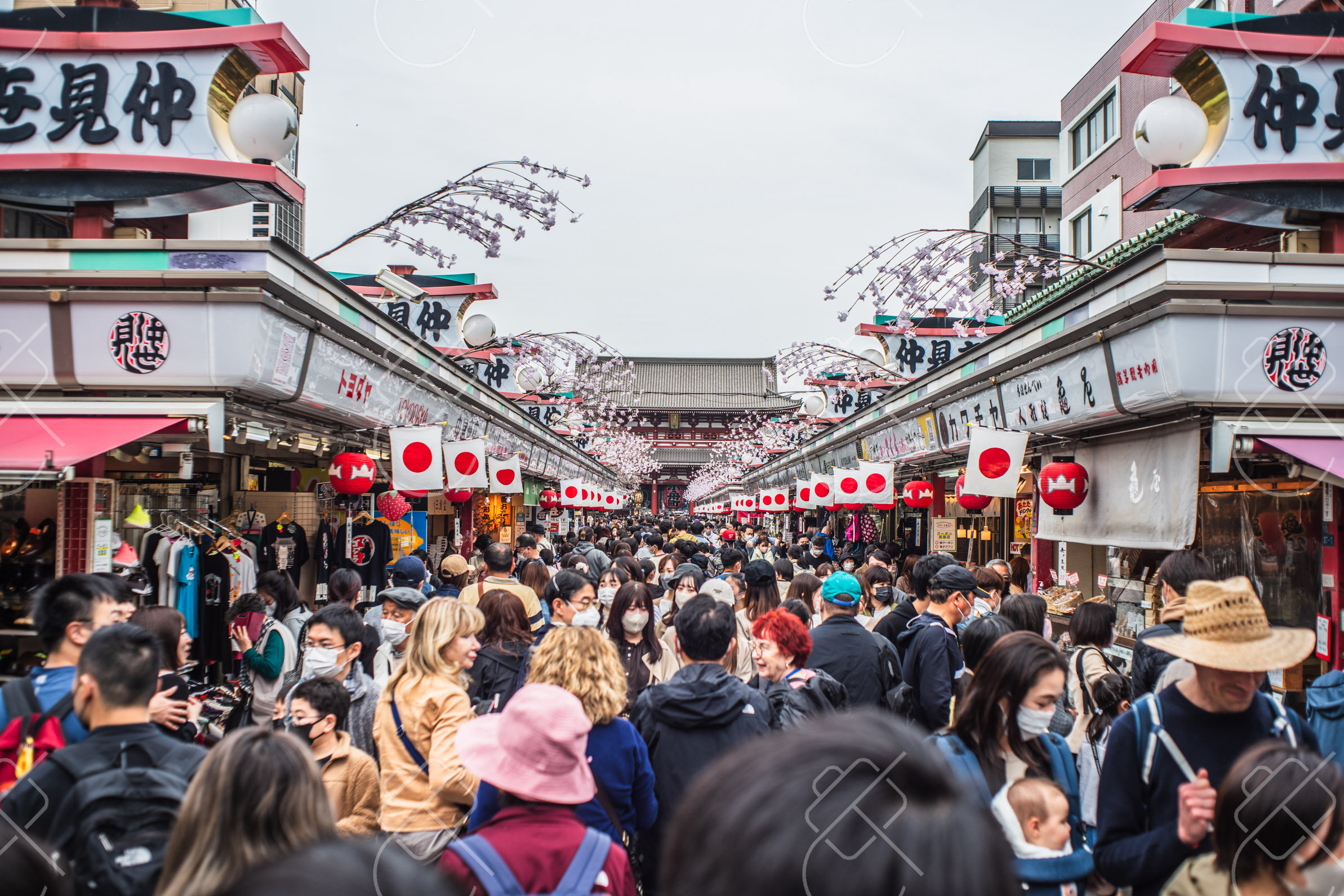
The bustling 250-meter approach from Kaminarimon Gate to the main hall, known as Nakamise-dori, is packed with traditional street food vendors selling warm ningyo-yaki bean cakes, freshly roasted senbei rice crackers, and dango skewers.
Tokyo enforces a strict etiquette rule: never walk while eating or drinking. Consuming food while strolling through crowded market lanes is considered disrespectful (aruki-gui) because crumbs and skewers can dirty merchandise and stain fellow travelers' clothing. Always finish your snack directly in front of the vendor stall or in designated standing alcoves before resuming your walk.
Between the gate and the main steps stands the enormous bronze Jokoro incense burner billowing fragrant white smoke. Visitors purchase bundles of incense sticks, light them in the flame, place them standing in the burner, and cup their hands to waft the sacred smoke over their heads and bodies.
According to Japanese folk belief, this aromatic smoke has healing and purifying properties: waving it over painful joints soothes aches, while guiding it toward your head is said to bestow wisdom and mental clarity.
Inside the hall, you can draw an omikuji paper fortune for 100 JPY (≈ $0.63): shake the silver metal cylinder until a numbered bamboo stick emerges from the small pinhole, match the Japanese numeral to the corresponding wooden drawer, and pull out your fortune slip.
Senso-ji is notorious across Japan for maintaining traditional probability ratios, meaning roughly 30% of slips yield bad fortune (kyo). If you pull a bad fortune, do not take it home: tie the folded paper slip onto the designated metal wire racks beside the hall so the temple's guardian spirits absorb the ill fate instead.

Senso-ji is quietest before 8am and after dark, which is easiest if you sleep in Asakusa: it is also one of Tokyo's better-value areas. Compare it with Shinjuku and Ueno in where to stay in Tokyo, and see how many days in Tokyo for fitting it into a first visit.
Yes, shorts and casual summer travel attire are completely fine on the grounds and inside the main viewing halls.
The temple grounds and Kaminarimon gate are open 24 hours. The Main Hall opens daily from 6:00 AM (6:30 AM in winter) until 5:00 PM.
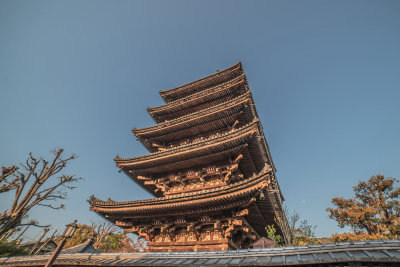
Photography is permitted across the courtyard, pagoda grounds, and outer corridors. However, taking photos directly aiming past the gold altar railing inside the innermost sanctuary is prohibited.
Get our new Tokyo guides and practical tips by email: where to stay, what to eat, what things cost and the rules that catch travelers out.
Free. No spam, only new guides and tips.
Compare stays in Tokyo and get the best deals on Booking.com.