 Etiquette & culture
By Clever Tourists · Published
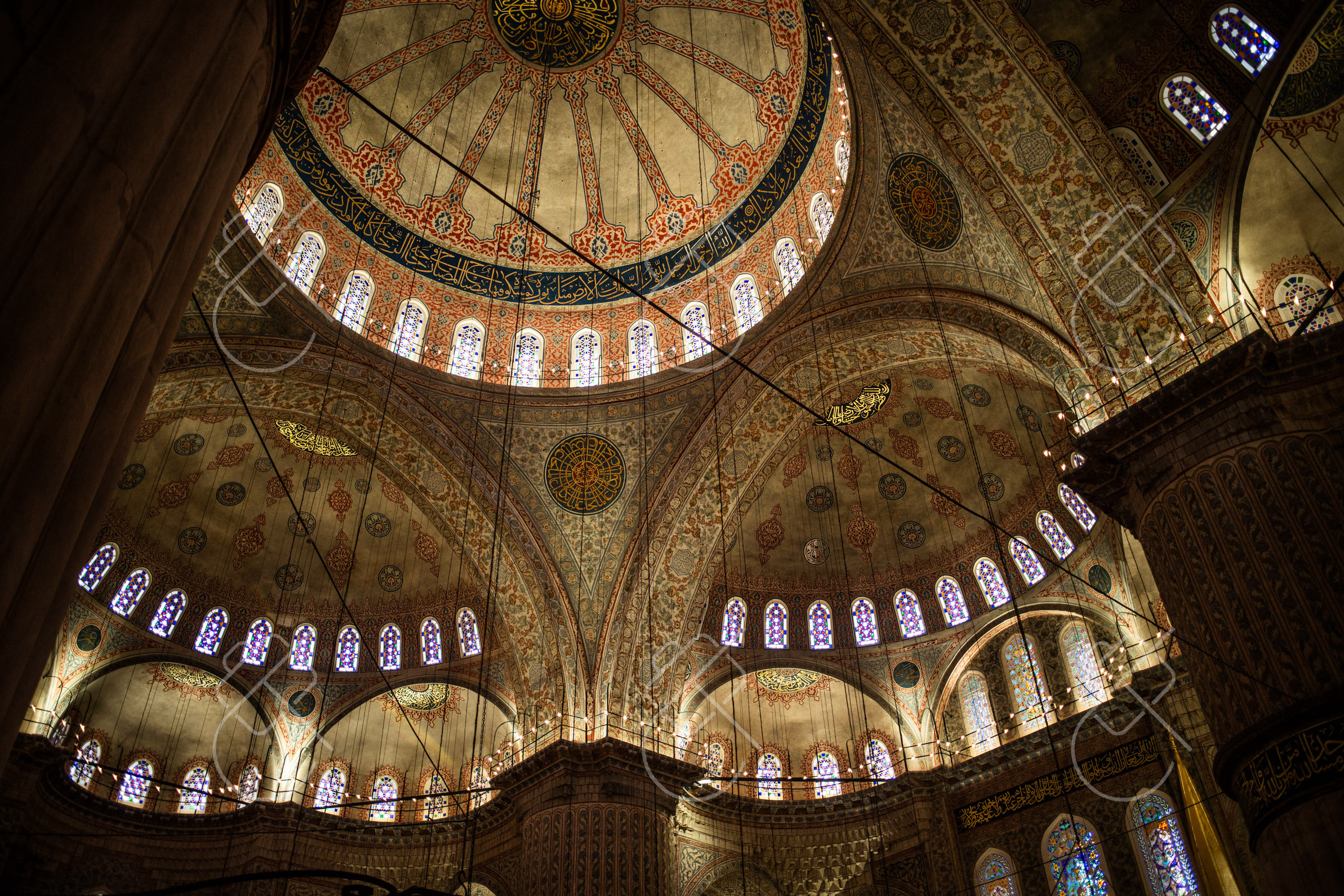
The Blue Mosque (Sultanahmet Camii) is free to enter, but it is a working mosque: shoulders and knees must be covered, women should cover their hair, shoes come off, and tourist access pauses around each of the five daily prayers. The longest pause is Friday midday. There is no ticket, so anyone selling you one is selling a tour. We spent 16 days in Istanbul across October and November 2023, and the mosque is the one major Sultanahmet sight where timing matters more than money. The operating schedule is not published in English by an official source, so the hours below come from visitor reports and should be checked on the day.
• Cost: free. Donations are voluntary and separate from admission.
• Women: hair covered, shoulders and knees covered. Loose trousers or a long skirt work well.
• Men: long trousers and a sleeved top. No shorts above the knee.
• Shoes: off before the prayer areas. Bring a small bag to carry them.
• Timing: avoid the half hour before each call to prayer and the following hour or so. Avoid Friday late morning to mid-afternoon.
• Allow: 30 to 60 minutes inside, plus queue time.
Visitor guides agree on the baseline: cover shoulders, upper arms and knees, and avoid see-through fabric, plunging necklines and slogans. Women are strongly encouraged, and in practice expected, to cover their hair inside the prayer hall. Men are not expected to cover their heads but should remove caps. You do not need a full-length abaya.
If your outfit does not pass, staff near the visitor entrance reportedly lend wrap skirts, long covering garments and scarves. Reports differ on whether they are free or cost a small contribution, and they are often heavy synthetic fabric in warm weather, so a light scarf of your own is better. Very revealing clothing can still mean refusal even with a loaner, which would force a return visit.
The same rules apply across Istanbul's mosques, including the Süleymaniye, and they match what is asked at Hagia Sophia across the square; see our Hagia Sophia tickets and dress code guide. For a wider checklist, read what to wear at temples and mosques and what to wear in Istanbul.
Tourists and worshippers use different doors. The prayer hall has two side entrances, and the visitor entrance is usually on the side facing the Hippodrome. Follow the current signs and the staff, because arrangements change during busy periods. Do not try a worshippers' entrance when tourist access is closed.
Shoes come off at the threshold. Plastic bags have been handed out at times, but it is not guaranteed, so carry a tote. Socks are fine on the carpet. Inside, do not sit or lie in the prayer areas, do not touch the Quran stands or furnishings, and do not point your feet towards worshippers or the mihrab.
Tourist access closes around each of the five daily prayers. Reports describe a pause that begins roughly 30 minutes before the call to prayer and lasts until about 90 minutes after, though this is not an official timetable and it shifts through the year because prayer times follow the sun. Diyanet publishes the daily prayer times; use them to plan a gap, and expect notices at the door.
On Fridays the pause for the weekly congregational prayer is much longer, typically from late morning until mid-afternoon. Plan the mosque for another day. Mid-morning and mid-afternoon on a weekday are described as the calmest, and queues are longest when cruise and tour groups arrive.
During Ramadan, prayer-time closures and crowds shift, and evenings around iftar are busy in Sultanahmet. Our Ramadan 2027 Istanbul guide covers dates and what changes.
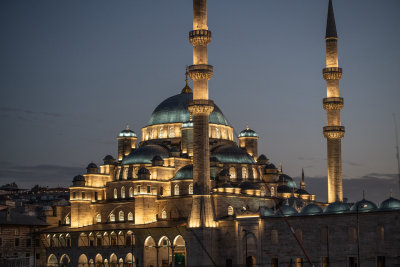
Sultan Ahmed I commissioned the mosque, and it was built between 1609 and 1617 beside the old Hippodrome, directly across from Hagia Sophia. The nickname comes from the roughly 21,000 Iznik tiles inside. It has six minarets, and a comprehensive restoration that began in 2018 ended with a reopening in April 2023, so scaffolding photos from older guides are out of date.
The common scam near the entrance is a friendly stranger saying the mosque is closed for prayer or cleaning, then steering you to a carpet shop or paid rooftop view. Check the notice at the door or a prayer-time app before believing it. Our tourist scams in Istanbul guide lists the other Sultanahmet traps, and is Turkey safe to visit covers the wider picture.
The Blue Mosque, Hagia Sophia, the Basilica Cistern and Topkapı Palace sit within about ten minutes' walk of each other. Do the mosque first thing or between prayers, and leave Hagia Sophia, which charges 25 euros for foreigners, for a time that does not collide with Friday prayer. The T1 tram stops at Sultanahmet. If you are choosing a base, see where to stay in Istanbul, and for the surrounding region day trips from Istanbul.
Yes. There is no ticket, booking or museum pass requirement. Donations are voluntary. Offers of tickets are guided tours or bundles.
Women are strongly encouraged to cover their hair in the prayer hall, along with shoulders and knees. Bring your own scarf, since loaner scarves are not guaranteed.
Tourist access pauses around the five daily prayers, and for much longer on Friday late morning to mid-afternoon. There is no official English timetable, so check prayer times and the notice at the door.
No. Men should wear long trousers and a sleeved top, and women need knees and shoulders covered. Loan garments may be offered at the entrance.
About 30 to 60 minutes inside, plus queuing at busy times.
Get our new Turkey guides and practical tips by email: where to stay, what to eat, what things cost and the rules that catch travelers out.
Free. No spam, only new guides and tips.
Search verified local fleets with low security deposits and exact model delivery on Localrent.
Get the best deals on flights to Turkey with Kiwi.com.