 Money & payments
By Clever Tourists · Published
Use a card for hotels, restaurants, shops and big purchases in Turkey, and carry some lira for the bazaar, tea, tips, small shops and anywhere that feels local. Guides we read describe a high level of card acceptance in Istanbul, especially for larger transactions, and agree that lira cash is still needed for bazaars, street food, markets, tipping and topping up transport cards. The unsettled part is ATM fees: one source says Turkish banks do not normally charge foreign-card fees, another says some charge 7 to 15 percent. We could not resolve that, so check the screen before you confirm. We were in Turkey from October to November 2023, in Istanbul, Ankara, Goreme, Pamukkale and Selcuk.
Free toolConvert to your own currency at live rates →Live mid-market rates for all 17 currencies we used, so you can see what a price actually costs.• Hotels, restaurants, cafes and shops in cities: Istanbul, Ankara and the tourist centres take Visa and Mastercard widely, and contactless is common.
• Large attractions, tour operators and airline desks.
• Taxis and ride apps in cities: confirm before the ride, and keep small lira for the meter.
• Supermarkets and chains.
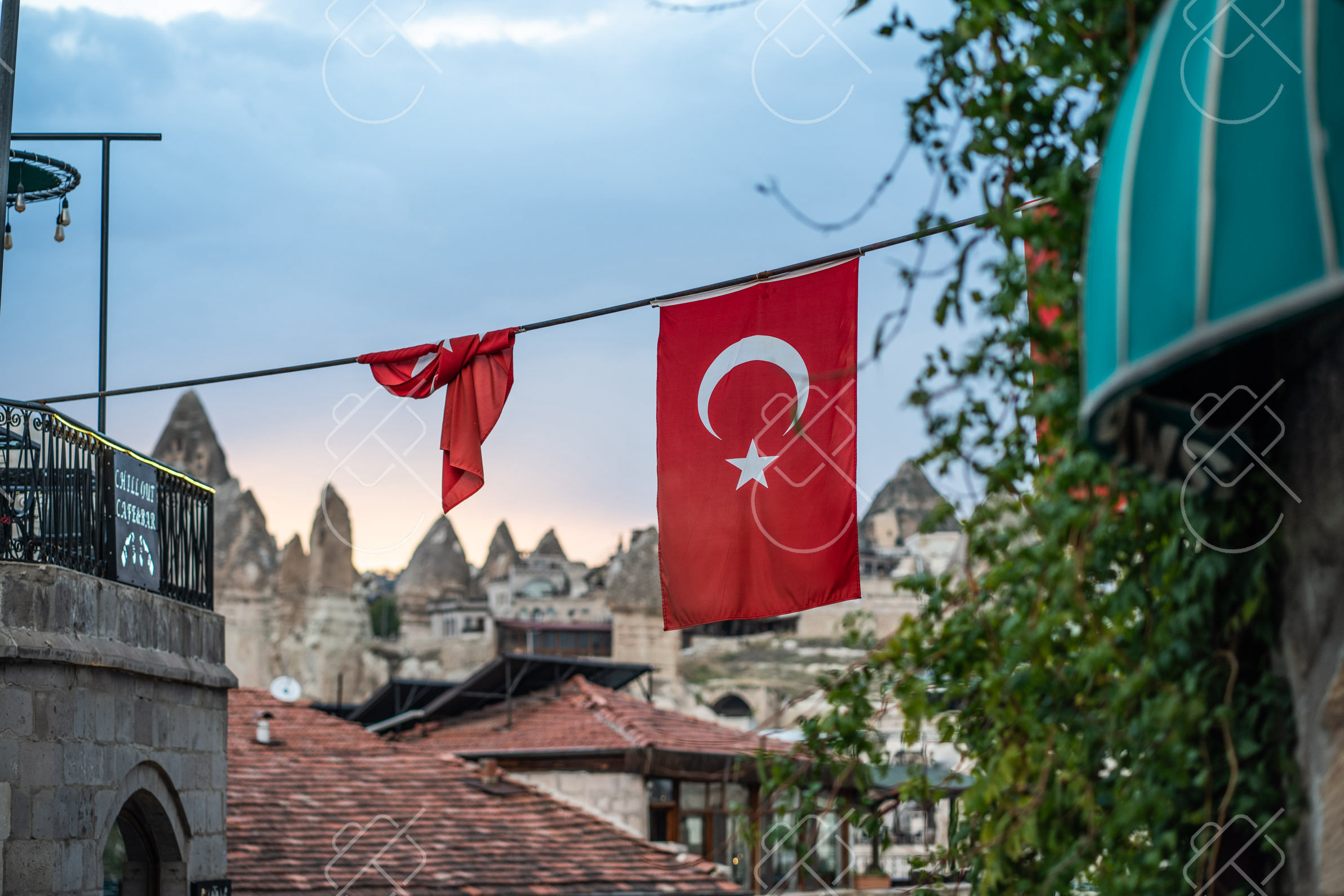
• Bazaars and souks: the Grand Bazaar and local markets often prefer cash, and bargaining happens in lira.
• Tea, simit and street food stalls, plus small kiosks and corner shops.
• Tips: see our Turkey tipping guide.
• Transport cards and small buses: some guides advise cash for top-ups.
• Small towns and rural stops such as those in Cappadocia and the Aegean interior.
Use bank ATMs and withdraw lira. If the ATM or a card terminal offers to charge in your home currency, choose Turkish lira; guides agree that this gives your own bank's rate rather than the operator's. Avoid exchanging cash at the airport because rates are poor. Sources conflict on ATM fees and quote different exchange rates for early 2026, so check a live rate before you travel and compare the fee on the ATM screen.
Many banks cap daily withdrawals, with one guide giving 10,000 lira a day. Check yours.
Turkey has high inflation, which affects prices and how much cash you need. Menus and tickets change, so withdraw smaller amounts more often rather than carrying large sums, and compare prices before you pay. Exchange-rate quotes from different sources differed widely in the results we saw. Check a live rate before relying on any number. Our Turkey safety guide covers common tourist scams, including inflated prices and card tricks.
For a one-week trip, a few thousand lira in small notes is enough for tea, markets, tips and small shops, with cards for hotels and restaurants. Split cash between a wallet, bag and hotel safe. Carry a second card on a different network.
If you arrive at Istanbul Airport, our airport transfer guide explains the options.
Read cash or card for international travel, Turkey things to know, our Turkey route, and can you drink tap water in Turkey.
A normal day in Istanbul might be a hotel by card, tea and simit from a street seller in lira, a museum ticket by card, a bazaar purchase paid in cash after bargaining, a ferry ride on a transport card and a dinner paid by card plus a cash tip. In Cappadocia and Pamukkale, cave hotels and tour operators take cards, while village cafes and small shops prefer cash.
Count your change, check totals on bills before paying and be wary of anyone who offers to exchange money on the street.
Save your bank's overseas number before you travel, carry a second card on a different network, and keep a cash reserve separate from your wallet. Use ATMs attached to banks, cover the keypad and avoid helpers. If an ATM keeps your card, go to the branch with your passport during opening hours. Our Turkey safety guide covers common money scams.
Restaurant tipping in Turkey is usually done in cash, even if you pay the bill by card. Our tipping guide explains the range. Keep small notes and coins for cafes, ferries and shops; with high inflation, small coins lose usefulness quickly, so notes are more practical. Check the lira denominations before you pay, because several notes look alike.
Ask the price before you buy anything in a bazaar, agree it in lira, and pay with the cash you can afford. If a shop offers a better price for cash, that is normal; if it offers to charge in euros or dollars at a rate it chooses, compare with the lira price first. Prices that were quoted weeks ago may no longer hold with inflation, so recheck menus and ticket prices on the day, and keep a note of what you paid for the main things in case you need to dispute a charge later.
Yes, widely, especially in hotels, restaurants and shops. Keep lira for the bazaar, tea, tips and small purchases.
Pay in lira. Choosing your home currency lets the operator set the rate.
Sources conflict. Some say Turkish banks do not charge foreign cards; others report fees of 7 to 15 percent. Check the screen before you confirm.
Prices are in lira. Some tourist businesses accept euros, but you will usually get a better rate paying in lira.
A few thousand lira in small notes for tea, markets and tips on a week-long trip, with cards for the rest.
Get our new Turkey guides and practical tips by email: where to stay, what to eat, what things cost and the rules that catch travelers out.
Free. No spam, only new guides and tips.
Search verified local fleets with low security deposits and exact model delivery on Localrent.
Get the best deals on a hotel in Turkey before you book elsewhere — Booking.com.