 Safety & Practicalities
By Clever Tourists · Published
Drink bottled or filtered water in Turkey rather than straight from the tap. World Travel Guide says tap water quality varies across the country and is treated in most urban areas, but many locals prefer bottled or filtered water and advises visitors to do the same. That is the practical answer for Istanbul, Cappadocia, Pamukkale and the coast. We were in Turkey from October to November 2023, in Istanbul, Ankara, Goreme, Pamukkale, Selcuk and back to Istanbul, and the habits below are the ones that make the question irrelevant day to day.
We could not find an official Istanbul water utility statement aimed at visitors. Travel guidance, including World Travel Guide, agrees on three points: water is treated in most cities, quality varies, and bottled or filtered water is the safer default. Travel and expat sources add that Istanbul's water is chlorinated and can taste strongly of it, and that old building plumbing is a reason residents buy bottled water. Those are secondary sources, so treat them as common-sense travel advice rather than test results.
The CDC's Turkey page does not give a tap-water verdict, and points to its general advice about choosing safe food and drinks. It does stress that standards vary within a country.
Use bottled water for drinking and for brushing teeth if your stomach is sensitive. Shops and kiosks across the city sell water at low prices. Our Istanbul airport transfer guide covers the arrival logistics, and our what to eat in Istanbul covers food that is safe and good.
Tea is the other water in Turkey. Black tea in tulip glasses is brewed with boiled water, and offered everywhere; it is safe and a small habit worth adopting. Restaurants usually bring bottled water and charge for it; ask for the price if you are watching costs.
In smaller places such as Goreme, Selcuk and the towns around Pamukkale, stick to bottled water. Plumbing and storage tanks vary in small-town and cave accommodation. Hot spring water at Pamukkale is for bathing in designated areas, not for drinking.
Balloon season and hiking days in Cappadocia are dry and often hot, so carry at least a litre. See our Turkey packing list for clothes and other kit.
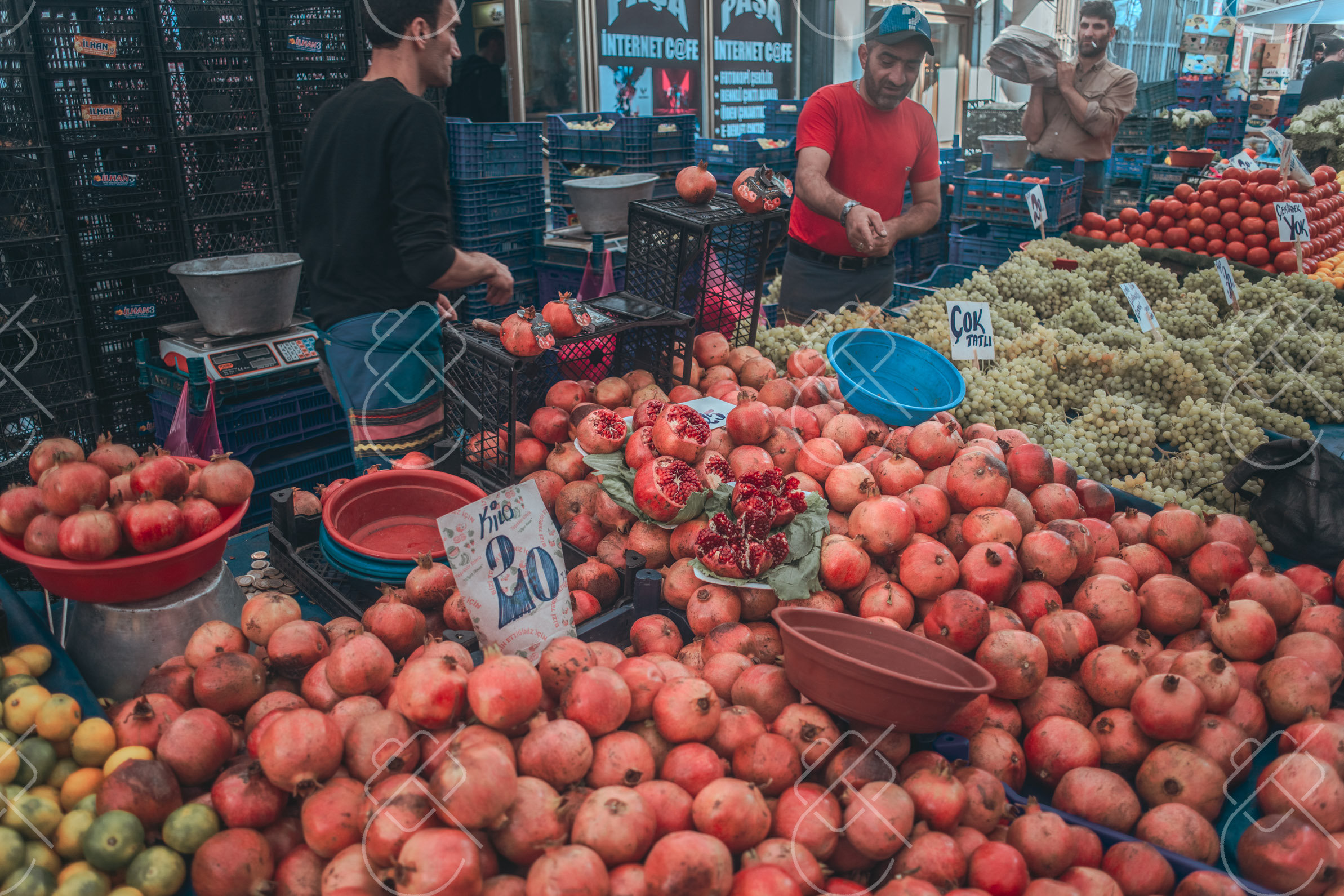
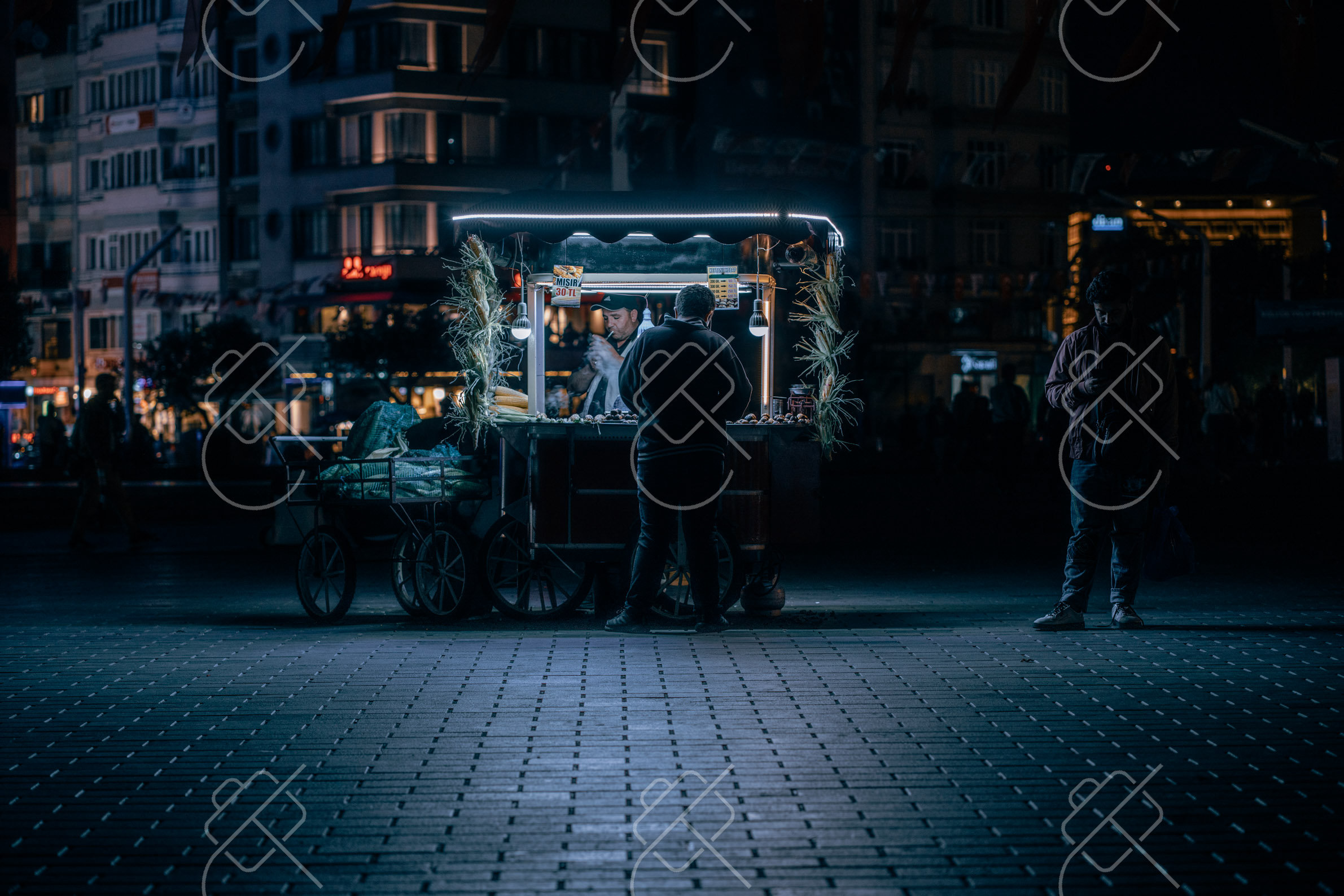
Ice in restaurants and cafes is generally fine in larger places and is part of the standard summer experience. If you are cautious, ask for drinks without ice at tiny stalls. Raw salads at restaurants are widely eaten; if your stomach is sensitive, stick to cooked dishes and fruit you peel yourself for the first few days. Street food such as simit, grilled corn and chestnuts is low risk; fish sandwiches by the Galata Bridge are best from places with high turnover.
Bottled water is cheap and sold at supermarkets, kiosks, mosques' shops and corner shops. Large bottles cost far less per litre than small ones. Many hostels and apartments have a water dispenser or a delivery of large bottles. Our Turkey grocery guide lists what to buy and where.
Carry some lira for kiosks and small shops; our Turkey cash-or-card guide explains when cards fail, and our Turkey tipping guide covers restaurant etiquette.
Mild stomach upsets in the first days of a trip are common anywhere. Rest, drink safe fluids with oral rehydration salts, eat plain food and see a doctor or pharmacist if symptoms persist, you have a fever or notice blood. Turkish pharmacies (eczane) are well stocked and pharmacists can advise on basic treatments. Our Turkey safety guide includes health tips and emergency numbers.
Carry a refillable bottle and fill it from a dispenser or bought bottles. In summer, Istanbul and Cappadocia can be hot, and at ballooning or hiking spots you will not find shops, so take water with you.
Check seals on bottles, avoid ice at tiny stalls if you are cautious, and keep your first few days of eating simple. Tea is the safest drink of all, since it is boiled. If you are heading on to the coast or the interior, the same advice applies: bottled, filtered or boiled.
Young children, pregnant travellers, older travellers and anyone with a weakened immune system or a recent stomach illness should stick strictly to bottled or boiled water and cooked food, including for brushing teeth. If you take medicines that affect your stomach acid or have a chronic gut condition, ask a travel clinic before you go.
Everyone else can relax once the habit is set. Most upsets on a Turkey trip come from heat, rich food and a change of routine rather than from drinking water, and a few days of plain food and fluids sorts most of them out.
It is treated, but guidance advises drinking bottled or filtered water instead. Many locals do the same, and the water can taste strongly of chlorine.
Most people do without problems. If you have a sensitive stomach, use bottled water for the first few days.
Generally yes at established restaurants and cafes. At tiny stalls, ask for drinks without ice if you are cautious.
Treat Cappadocia like the rest of Turkey: bottled or filtered water for drinking, especially in cave hotels and small towns where plumbing and tanks vary.
Buy large bottles at supermarkets rather than small ones at tourist spots, and refill a reusable bottle from a hotel dispenser if one is available.
Get our new Turkey guides and practical tips by email: where to stay, what to eat, what things cost and the rules that catch travelers out.
Free. No spam, only new guides and tips.
Search verified local fleets with low security deposits and exact model delivery on Localrent.
Compare flights to Turkey and get the best deals on Kiwi.com.