Photographing Tokyo
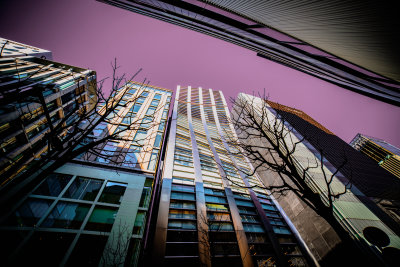
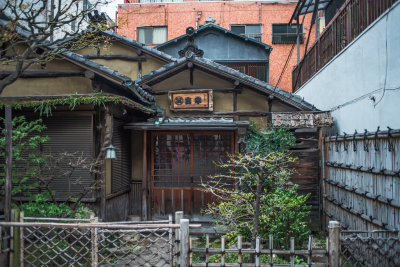
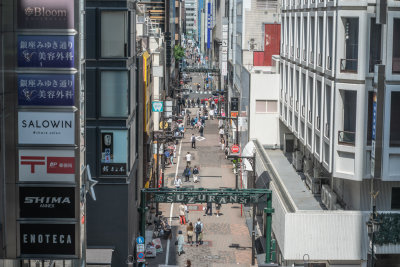
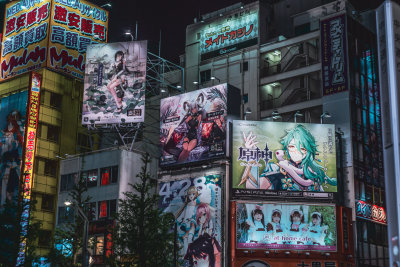
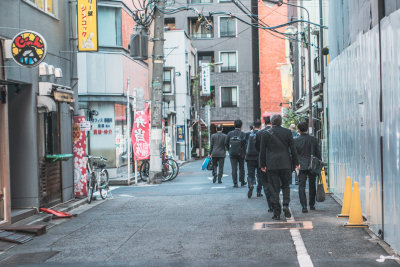
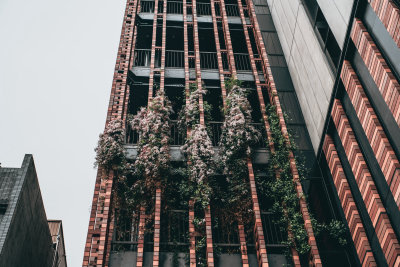
The world's most populous metropolitan area is a constellation of distinct districts rather than a single center — Shibuya and Shinjuku deliver the dense neon and crowds most associated with the city, while Yanaka, Kagurazaka, and Asakusa preserve low-rise lanes, old shopfronts, and a slower pace. The contrast between hyper-modern architecture and pockets of Edo-era calm runs through the whole city, and it is the single most rewarding thing to photograph here.
Where to shoot
- Shibuya Crossing — the busiest scramble intersection on earth, seen best from above at the Shibuya Sky deck or the overlooking Starbucks.
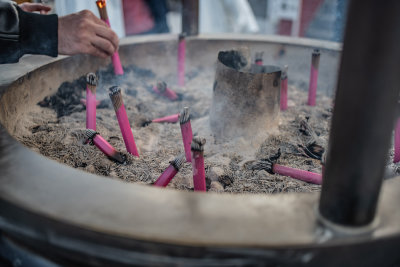
- Senso-ji — Tokyo's oldest temple in Asakusa, with the great Kaminarimon lantern, a five-story pagoda, and a bronze incense cauldron, calmest just after dawn.
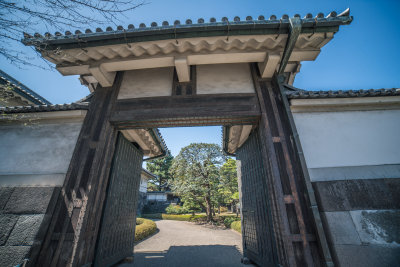
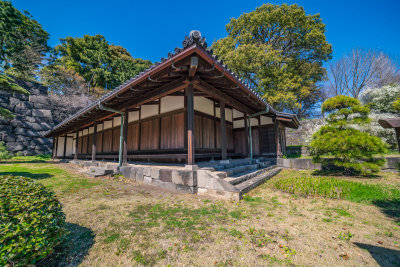
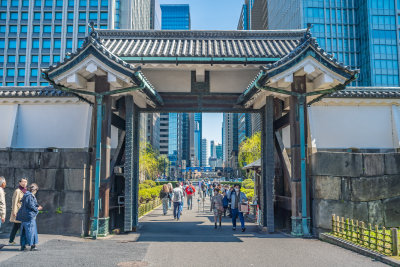
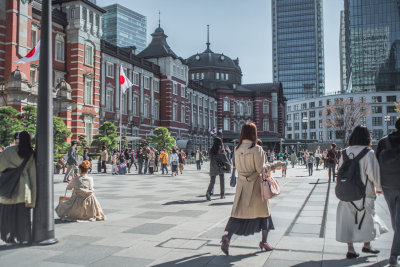
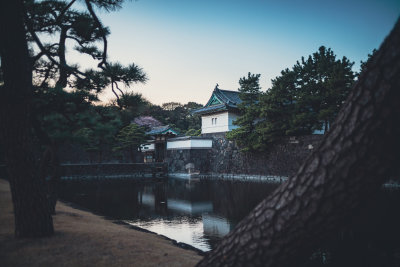
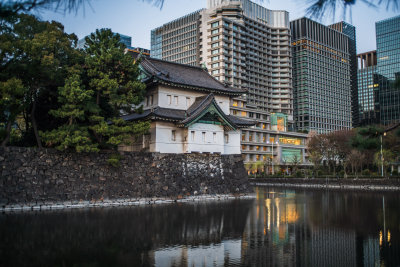
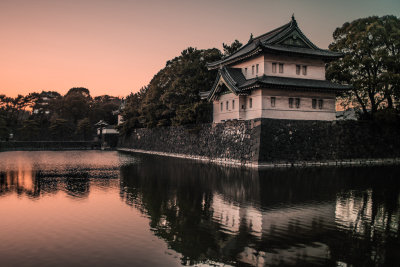
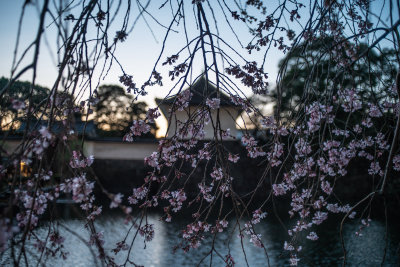
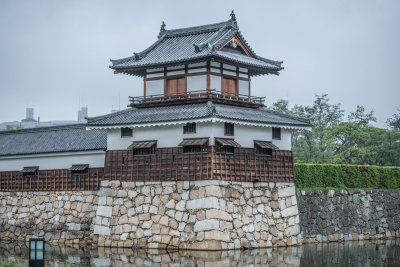
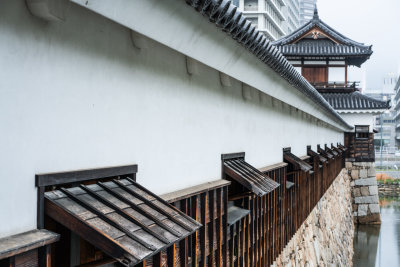
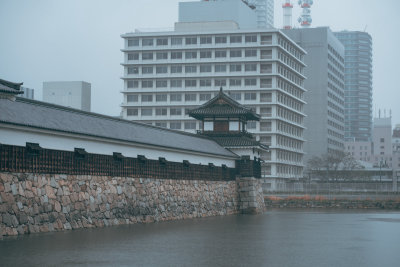
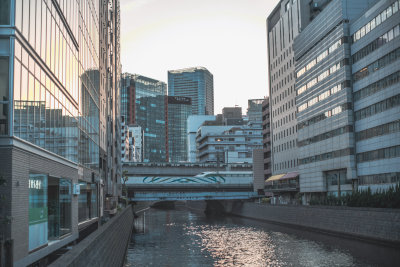
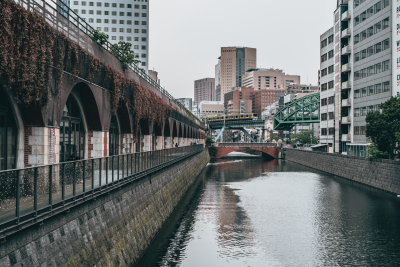
- The Imperial Palace moats — free East Gardens and surviving Edo Castle watchtowers reflected in the water against Marunouchi's skyscrapers.
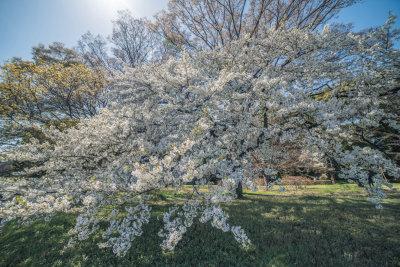
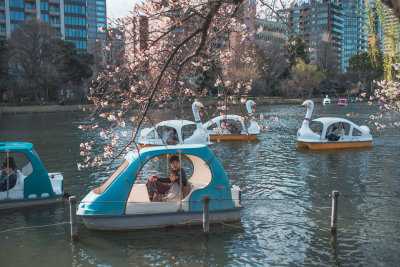
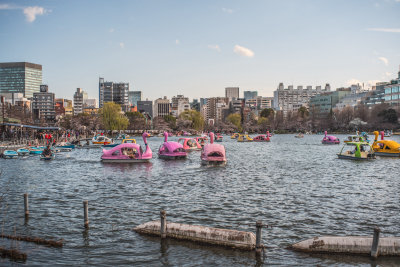
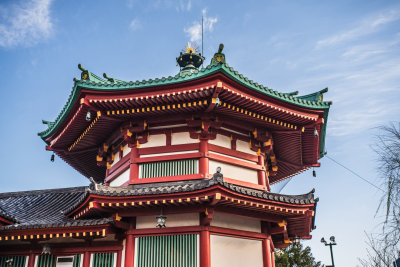
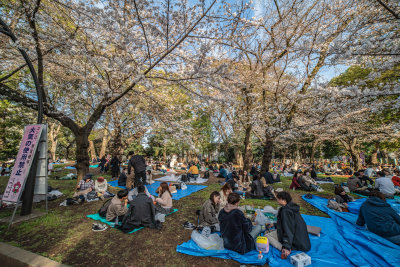
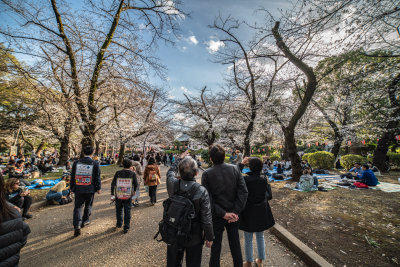
- Ueno Park & Shinobazu Pond — Tokyo's top cherry-blossom grounds, with swan boats and the Bentendo hall out on the water.
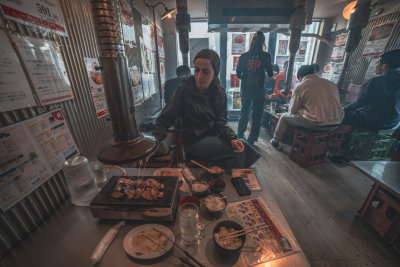
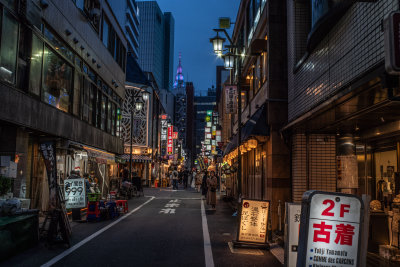
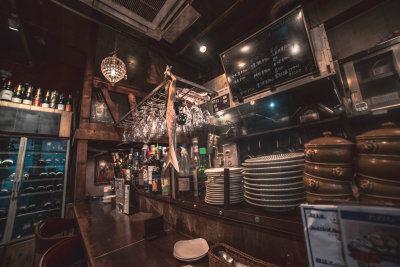
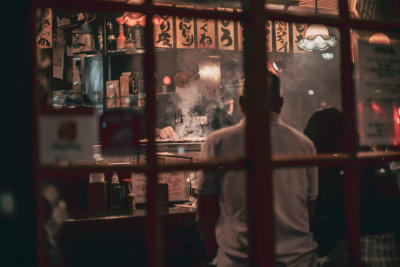
- Shinjuku Omoide Yokocho — a tight warren of postwar alleyways lined with tiny lantern-lit eateries that come alive after dusk.
- Shibuya Crossing — the famous scramble intersection, seen best from above at the Shibuya Sky observation deck or the Starbucks overlooking the crowds.
- Senso-ji — Tokyo's oldest temple in Asakusa, with the great Kaminarimon lantern and a five-story pagoda, calmest just after dawn.
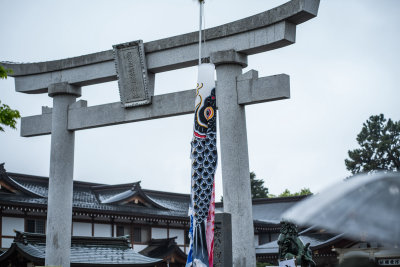
- Meiji Shrine — a forested Shinto sanctuary near Harajuku where towering torii gates frame a calm, tree-shaded approach.
- Senso-ji and Asakusa before the main crowds
- Meiji Jingu followed by Harajuku and Shibuya
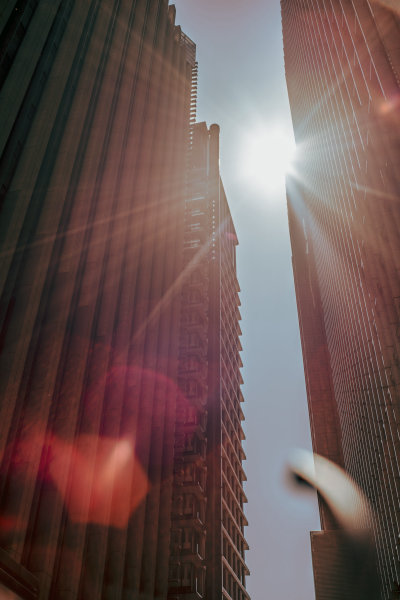
- The Imperial Palace moat and Marunouchi skyline
- Shinjuku after dark
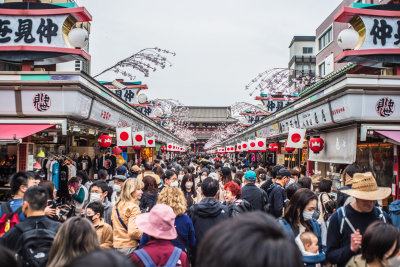
- Kaminarimon — the thunder gate and its red lantern, the most photographed doorway in Tokyo.
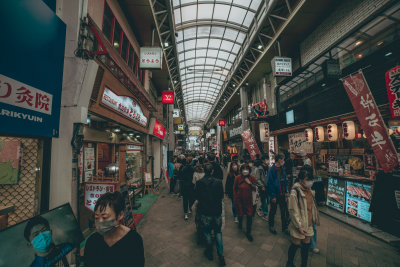
- Nakamise-dōri — 250 metres of stalls running from the gate to the temple, painted shutters after dark.
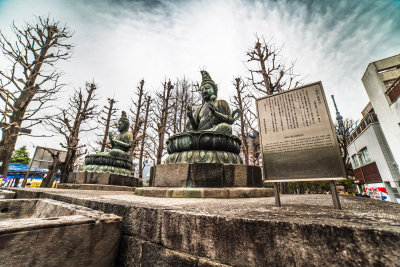
- Sensō-ji main hall — Tokyo's oldest temple, rebuilt after 1945 and busy from mid-morning.
- The Sumida riverbank — the clearest ground-level view of Tokyo Skytree across the water.
- Tokyo National Museum — founded 1872, the oldest museum in Japan and the best single collection of Japanese art.
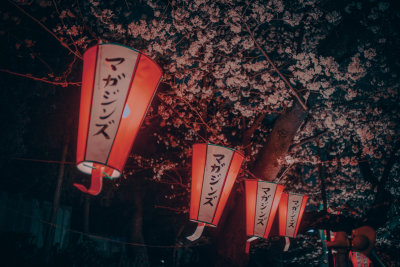
- Ueno Park in blossom season — roughly a thousand cherry trees and the city's most committed hanami.
- Shinobazu Pond — swan boats year round, a full sheet of lotus leaves by late summer.
- Yanaka Ginza — a sixty-shop street of croquettes, senbei and cats in the last low-rise district.
- The Imperial Palace East Gardens — free entry, original Edo Castle stonework, and the empty keep foundation.
- Nijūbashi — the double-arched bridge and guardhouse at the palace's main approach.
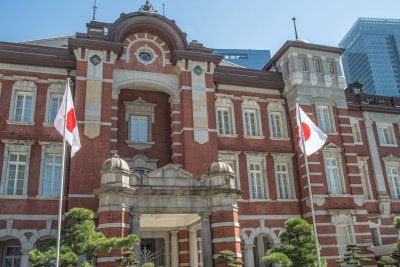
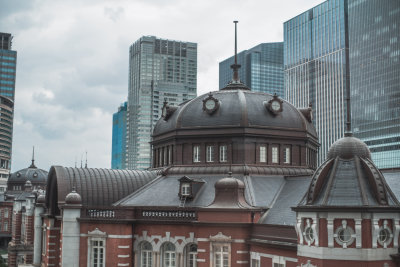
- Tokyo Station Marunouchi building — Tatsuno Kingo's 1914 red brick, restored to full height in 2012.
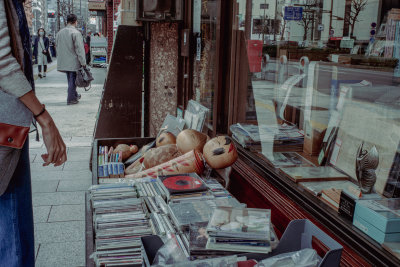
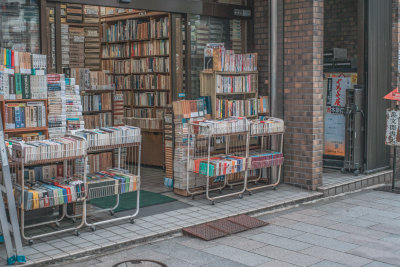
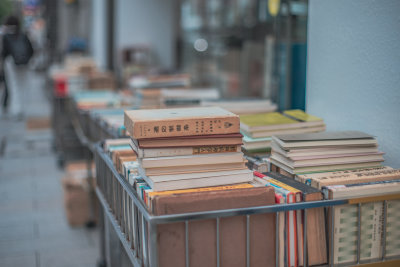
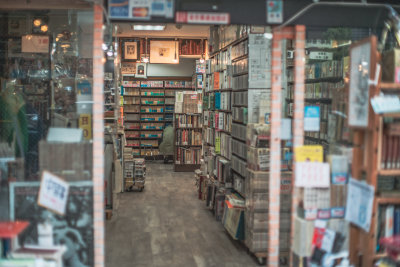
- Jimbōchō — a hundred-plus secondhand bookshops, all facing north to keep sun off the stock.
- Omoide Yokocho — postwar lanes of six-seat yakitori counters, thick with charcoal smoke by seven.
- Golden Gai — roughly two hundred tiny bars across six alleys, most with room for a handful of drinkers.
- Tokyo Metropolitan Government Building — free observatories at 202 metres, and Fuji on a clear winter day.
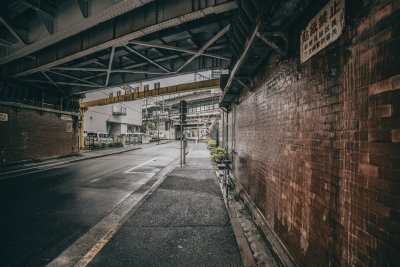
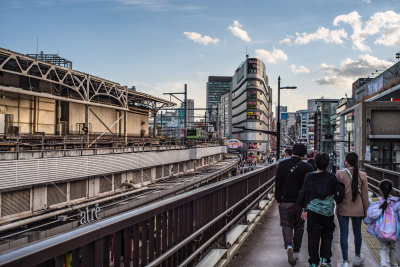
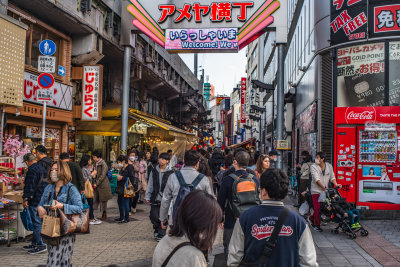
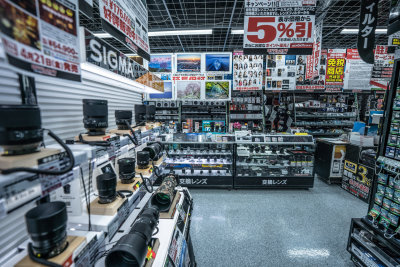
- Akihabara's under-the-tracks component alleys — the original Electric Town, still trading.
When to go
Late March to early April for cherry blossoms, or November for crisp air and autumn foliage; avoid the hot, humid rainy season in June and early July.
What to eat
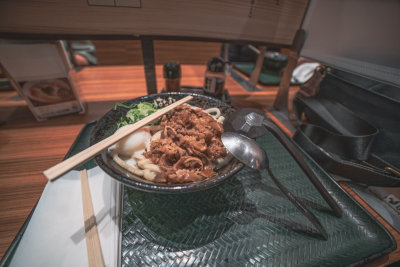
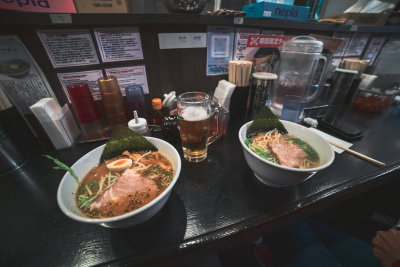
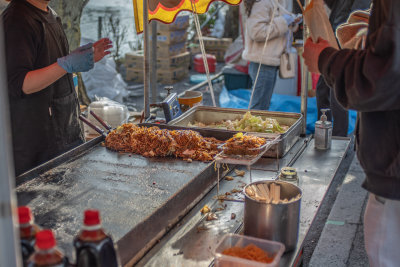
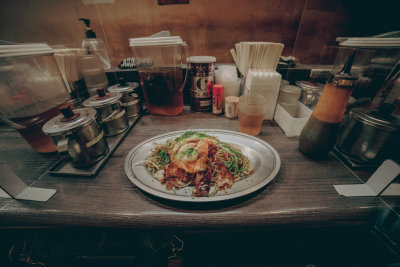
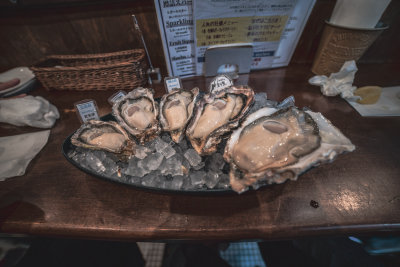
Sushi at the outer Toyosu and Tsukiji markets, a bowl of ramen anywhere the queue is longest, gyudon (simmered beef over rice) for a fast cheap lunch, and izakaya small plates eaten standing in Omoide Yokocho.
Where to stay
Shinjuku makes the most practical base — a major transit hub with lodging at every price point and easy late-night access across the city. Asakusa is the atmospheric alternative for travelers who want old-Tokyo streets and Senso-ji on their doorstep.
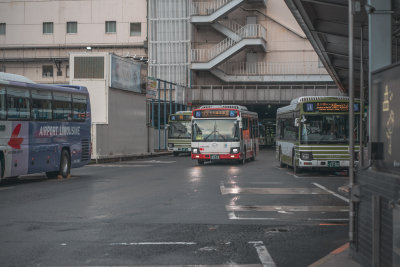
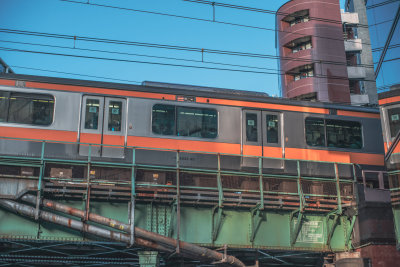
Buy a rechargeable Suica or Pasmo IC card the moment you arrive — it works across every train, subway, and bus in the city, and on vending machines and konbini, so you never queue for a per-trip ticket. The JR Yamanote loop line links most of the districts in this guide.
Read more in Tokyo Travel Guide: Neon Districts, Ancient Shrines, and the Imperial Palace, Japan: ancient temples, neon cities & quiet mountain towns, 14-Day Japan Itinerary: Tokyo, Kyoto, Osaka & Hiroshima and 3 Days in Tokyo: A First-Timer's Itinerary.