 Travel tips & money
By Clever Tourists · Published · Last updated
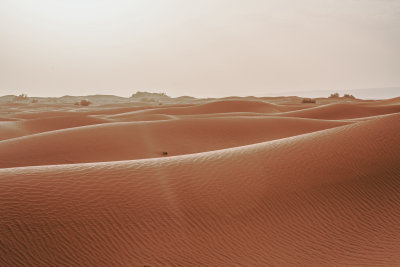
Exploring Morocco via a dedicated private driver—whether traveling from Marrakech over the Tizi n'Tichka pass to the Sahara Desert dunes of Erg Chigaga or journeying through the imperial cities of Fes and Chefchaouen—is one of the most rewarding and comfortable ways to experience the country. However, navigating Morocco tipping culture (pourboire) often causes anxiety for first-time visitors. In Morocco, tipping is not merely an optional token; it forms an essential, culturally entrenched component of the hospitality economy. Understanding fair, respectful daily tipping standards ensures your driver and guides feel genuinely valued for their service.
Free toolWork out the exact tip on any bill →Pick the country, enter the bill and get the tip in local currency — including the places where service is already on the bill.The tip is for the vehicle, not per passenger, so a family of four does not multiply it by four. Typical guidance from Moroccan tour operators and local guides lands in the same range:
• Half-day hire (for example a day trip out of Marrakech that ends by mid-afternoon): 50–100 MAD (≈ $5.1–10.2).
• Single full day (Marrakech to Essaouira or Ouzoud Falls and back, roughly 8 to 10 hours): 100–200 MAD (≈ $10.2–20).
• Multi-day tour (Marrakech over the Tizi n'Tichka to Merzouga and on to Fes, typically 3 to 5 days): 100–200 MAD (≈ $10.2–20) per day, so roughly 300–600 MAD (≈ $30–61) for a 3-day desert loop or 500–1,000 MAD (≈ $51–102) for 5 days, paid once at the end.
Go toward 200–300 MAD (≈ $20–30) per day when the days are long desert driving days of 8 hours or more, when a larger group fills a van, or when the driver also works as your guide, explaining sites and sorting out stops rather than just driving. Some operators quote 200–300 MAD (≈ $20–30) per day as their standard; that is the generous end of the range, not the baseline, and it is not a per-person figure. If the driving was unsafe or you were steered into commission shops, tip less.
On multi-day private tours, never tip your driver day-by-day after each individual drive. Instead, calculate the total cumulative tip for the journey and present it in a clean envelope at the conclusion of your final trip or airport drop-off.
Hand the envelope directly to your driver with your right hand (in accordance with Islamic cultural etiquette), accompany it with a sincere handshake, and express gratitude with the traditional Arabic phrase for thank you: Shukran (or Barakallahu feek—may God bless you).
Throughout your trip, your driver will connect you with specialized local guides whose tips should be handled separately from your driver:
Official Licensed City Guides (Marrakech, Fes medinas): For a private half-day guided medina walking tour (3 to 4 hours), tip 150 to 200 MAD (≈ $15.2–20) total. For a full-day tour (6 to 7 hours), tip 250 to 300 MAD (≈ $25–30) total.
Sahara Desert Camel Guides & Camp Staff: For camel handlers who guide your caravan across the dunes to your desert camp, tip 50 to 100 MAD (≈ $5.1–10.2) per person. For the desert camp musicians and kitchen staff who prepare your dinner and drum around the campfire, a pooled tip box of 100 to 150 MAD (≈ $10.2–15.2) per guest is customary.
Always tip your driver in local Moroccan Dirhams (MAD) in crisp, clean cash banknotes (typically 100 or 200 dirham notes).
Avoid tipping in foreign coins (euros or US dollars), as Moroccan banks and currency exchanges do not accept foreign metal coinage. While paper US dollars or Euro banknotes can be exchanged, tipping in local dirhams saves your driver the time and transaction fees associated with visiting a bank.
For short incidental services outside your private tour:
Petit Taxis in cities: Simply round up the meter fare to the nearest 5 or 10 dirhams. If a ride costs 16 MAD (≈ $1.6), hand the driver a 20 MAD (≈ $2.0) bill and tell them to keep the change.
Hotel and Riad Porters: Tip 10 to 20 MAD (≈ $1.0–2.0) per bag, especially when navigating tight pedestrian medina alleys where luggage must be transported by handcart.
While technically voluntary, tipping is deeply rooted in Moroccan social and economic customs. Hospitality wages are structured with the expectation that tips form a major portion of a worker earnings.
No. Professional tour operators provide drivers with a daily per diem allowance for meals and accommodation. However, inviting your driver to join you for mint tea or lunch is a warm, welcomed gesture.
Tips are a reward for good service. If a driver drove unsafely, pressured you into unwanted souvenir shops, or was discourteous, you are under no obligation to provide the standard gratuity. You can reduce the tip significantly or report the issue to your tour agency.
Get our new Morocco guides and practical tips by email: where to stay, what to eat, what things cost and the rules that catch travelers out.
Free. No spam, only new guides and tips.
Search verified local fleets with low security deposits and exact model delivery on Localrent.
Find the best deals on Morocco accommodation with Booking.com.